


There’s a certain magic in the swirl of cream cheese frosting-a velvety cloud of tangy sweetness that can transform a simple cake into a decadent masterpiece. “Whipped Bliss: The Art and science of Cream Cheese Frosting” invites you on a sumptuous journey through the delicate alchemy behind this beloved topping. From the careful balance of flavors and textures to the chemistry that gives it that luscious, spreadable perfection, we’ll uncover how technique and ingredient harmony combine to create frosting that’s as much a delight to craft as it is to savor. Whether you’re a home baker seeking to elevate your desserts or simply curious about what makes cream cheese frosting so irresistibly smooth, this exploration will leave you inspired to whip up your own bliss, one dollop at a time.
Whipped Bliss begins with mastering the ideal cream cheese texture-one that balances lush creaminess with a velvety lightness, setting the stage for the ultimate whip.This dreamy frosting elevates desserts by harmonizing the bright tanginess of cream cheese with the gentle sweetness of vanilla and sugar, inviting each bite to melt effortlessly on the palate.
Originating from classic American baking traditions, cream cheese frosting has become synonymous with comfort and party alike. The secret lies not just in ingredients but in technique: achieving that silky finish requires patience, precise temperature control, and the right tools-a whisk or paddle attachment, chilled cream cheese at the ready, and a cooling environment. Once perfected, you’ll discover endless creative avenues to customize each batch, from stirring in zesty lemon zest to folding in fresh berries or a sprinkle of aromatic spices.
Prep and Cook Time
- Planning: 10 minutes
- Whipping & Assembly: 5 minutes
- Total Time: 15 minutes
Yield
- Approximately 2 cups of frosting
- Enough to generously frost 12 cupcakes or one 9-inch layered cake
Difficulty Level
- Easy to Medium – Perfect for both baking novices and enthusiasts
Ingredients
- 8 oz (225g) cream cheese, full-fat, softened to room temperature
- 1/2 cup (115g) unsalted butter, softened
- 3 cups (360g) powdered sugar, sifted
- 1 teaspoon pure vanilla extract
- 1-2 teaspoons fresh lemon juice, for brightness (optional)
- Pinch of fine sea salt, to balance sweetness
Instructions
- Prepare your ingredients. Ensure the cream cheese and butter are softened but not melting-this prevents curdling. Work at room temperature for a smooth blend.
- Beat the butter and cream cheese together. Using a stand mixer with the paddle attachment or a hand mixer, mix on medium speed until the texture is creamy, about 2 to 3 minutes. Pause to scrape the bowl down for an even whip.
- Add vanilla, salt, and lemon juice. These ingredients awaken the flavor, balancing tang and sweetness. Beat briefly just to combine.
- Gradually incorporate powdered sugar. Lower the mixer speed and add the sugar one cup at a time to avoid a sugar cloud. Once fully added,increase speed and whip for 3-4 minutes until airy and fluffy.
- Check the texture. The frosting should be silky and spreadable. If too stiff, beat in 1 teaspoon of milk or cream. If too loose, add an extra 1/4 cup powdered sugar.
- Chill briefly if needed. For ultra-smooth results, refrigerate the frosting for 15-20 minutes before frosting your cake or cupcakes. This step helps it set perfectly.
Techniques and Tools to Achieve Silky Smooth Frosting
Using a stand mixer with a paddle attachment is ideal-it aerates the frosting without overworking it. Avoid overheating your ingredients by softening them at room temperature,never microwaving.Scrape down the sides frequently to ensure an even mixture, preventing lumps and maintaining a smooth consistency. For home cooks without a stand mixer, a hand mixer or even a whisk with patience will get you the desired results.
Balancing Sweetness and Tanginess to Elevate Flavor Profiles
the hallmark of cream cheese frosting is its subtle tang. This brightness keeps it from being cloying and pairs beautifully with rich cakes like carrot, red velvet, or spice cakes.Adjusting the lemon juice and salt increments in your recipe lets you tweak the balance to your preferred profile-more lemon for freshness or a touch more salt for depth.Sweetness can be fine-tuned by moderation with powdered sugar or by exploring option sweeteners such as organic cane sugar powder.
Creative Twists and Pairings to Inspire your Dessert Creations
Elevate your frosting by gently folding in fresh zest from oranges or limes, a sprinkle of cinnamon or cardamom, or a swizzle of brewed espresso for a mocha-inspired profile.Pair this frosting with classic carrot cake, spice-laden pumpkin bread, or a moist banana loaf to create a textural and flavor harmony that surprises and delights.
For a refreshing summer take, try folding in finely chopped fresh strawberries or blueberries just before frosting your cupcakes-adding both texture and bursts of natural sweetness.
Chef’s Notes: Tips for Success
- Softening: Leave cream cheese and butter out for about 30-60 minutes-the ideal temperature is room temperature, around 68-72°F (20-22°C).
- Temperature control: Avoid cream cheese that’s too warm or frosting will be runny.Chill if needed.
- Variations: Swap vanilla extract for almond or coconut extract to experiment with subtle flavor contrasts.
- Make-ahead: Frosting can be stored refrigerated in an airtight container for up to 3 days. Bring to room temperature and re-whip before use.
- Troubleshooting: If your frosting looks curdled, mix in a tablespoon of heavy cream or milk on low speed until smooth again.
Serving Suggestions
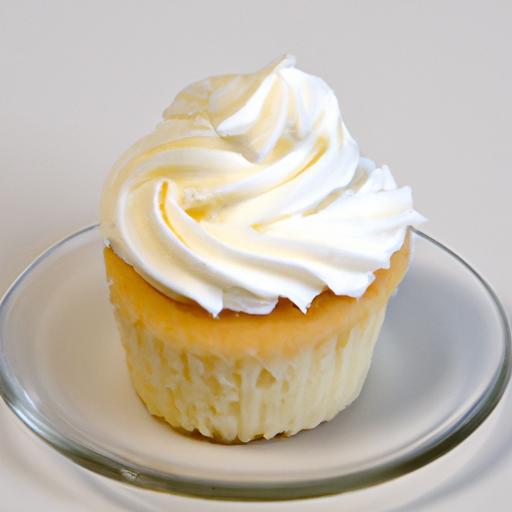
Spread your silky cream cheese frosting evenly over your dessert with an offset spatula for a smooth, elegant finish, or pipe it with a star tip for playful, textured swirls that beg to be devoured. Garnish with a dusting of finely grated citrus zest, chopped toasted nuts, or edible flowers to add visual intrigue and layers of flavor.
This frosting is equally stunning atop carrot cupcakes,classic red velvet cakes,or drizzled over warm cinnamon rolls for breakfast indulgence. Serve alongside a cup of spiced chai or fragrant coffee to highlight the tangy sweetness of the cream cheese bliss.

| Nutritional Info (per 2 Tbsp) | Amount |
|---|---|
| Calories | 110 kcal |
| Protein | 1 g |
| Carbohydrates | 10 g |
| Fat | 7 g |
For more inspiration on frosting techniques,check out our detailed guide on frosting mastery. To understand the chemistry behind dairy frosting, explore this scientific overview from ScienceDaily.
Q&A
Q&A: Whipped Bliss – The Art and Science of Cream Cheese Frosting
Q1: What makes cream cheese frosting so irresistible?
A1: The magic of cream cheese frosting lies in its perfect harmony of tangy and sweet, combined with a luxuriously smooth and creamy texture. This balance creates a frosting that feels light yet decadently rich-a taste experience that dances on the palate. The slight acidity from the cream cheese brightens up baked goods, making every bite a delight.
Q2: How do the ingredients influence the texture of cream cheese frosting?
A2: Texture is king when it comes to frosting. Cream cheese provides the creamy base, while butter adds richness and body. Powdered sugar contributes sweetness and helps achieve the silky, spreadable consistency. The ratio between these ingredients is key: too much cream cheese and the frosting may be too soft; too much butter and it can become greasy.Whipping time also influences fluffiness-a gentle whip creates a denser spread, while a vigorous whip introduces airy loft.
Q3: Can you explain the science behind whipping cream cheese frosting?
A3: Absolutely! Whipping incorporates tiny air bubbles into the mixture,expanding its volume and creating a lighter texture. The fat molecules from butter and cream cheese trap these air bubbles, stabilizing the airy structure. Temperature plays a critical role-ingredients straight from the fridge can be too firm to whip properly, while overly warm ones can separate. Room temperature is the golden zone where fats are pliable but still stable for optimal aeration.
Q4: What are some common pitfalls when making cream cheese frosting?
A4: One classic mistake is mixing ingredients that are uneven in temperature; cold cream cheese combined with warm butter can cause lumps or a curdled look. Over-beating once the powdered sugar is added can also lead to a runny frosting as it melts the fat too much. Lastly,using granulated sugar instead of powdered sugar results in a gritty texture rather than the signature smoothness.
Q5: How can I tweak the flavor of cream cheese frosting without losing its classic charm?
A5: You can introduce subtle flavor notes through natural additions like vanilla bean paste, fresh citrus zest (lemon or orange), or a hint of almond extract. Spices such as cinnamon or cardamom add warmth without overpowering the signature tanginess. The key is moderation-these enhancements should gently elevate the flavor, not mask the creamy, tangy foundation.
Q6: Is cream cheese frosting suitable for all types of cakes and cupcakes?
A6: Cream cheese frosting is incredibly versatile, pairing beautifully with spiced cakes (like carrot or pumpkin), fruity flavors (such as berry or apple), and classic options like vanilla or red velvet. Though, it’s best enjoyed fresh or chilled as its softness can cause it to lose shape in warm conditions. For tall or intricate cake designs, stabilizers or chilling between crumb coats can definitely help maintain structure.
Q7: How should cream cheese frosting be stored and handled for best results?
A7: Because cream cheese contains dairy, proper refrigeration is essential to keep the frosting fresh and safe. Store your frosted cake or cupcakes covered in the fridge and bring them to room temperature before serving to enjoy the full creamy texture. If storing frosting separately, keep it airtight and give it a gentle whip before spreading again if it has firmed up.
Q8: Can cream cheese frosting be made vegan or dairy-free while retaining its signature texture and taste?
A8: Yes! Successfully replicating cream cheese frosting’s unique tang and creaminess requires dairy-free cream cheese alternatives made from nuts (like cashews) or soy.Combining these with plant-based butter substitutes and powdered sugar,then whipping them with a touch of acid (like lemon juice) can mimic the tang. Though subtle differences exist, skilled blending yields a luscious, vegan-amiable frosting that captures the essence of the original.
Q9: What is the ideal temperature for ingredients when preparing cream cheese frosting?
A9: Aim for room temperature-about 68-72°F (20-22°C). This ensures the cream cheese and butter soften evenly, allowing for a smooth, lump-free blend. If ingredients are too cold, they’ll resist mixing and create a chunky texture; too warm, and the fats might separate, producing a greasy or runny frosting.
Q10: why is powdered sugar preferred over granulated sugar in cream cheese frosting?
A10: Powdered sugar dissolves effortlessly, creating that signature silky and smooth frosting texture without any graininess. Granulated sugar’s larger crystals don’t fully dissolve, leading to a gritty mouthfeel and an uneven spread. Additionally, powdered sugar often contains a small amount of cornstarch, which helps thicken and stabilize the frosting’s consistency.
This Q&A sheds light on the delicate balance between nature and nurture in crafting cream cheese frosting that’s both a science and an art-a true whipped bliss for any baking enthusiast.
Concluding Remarks
As the final swirl of cream cheese frosting crowns your creation, it’s clear that this beloved topping is much more than a simple sweet finish.Whipped bliss is the harmonious dance of science and artistry-where precision meets passion,and ingredients transform into velvety clouds of flavor. Whether you’re a seasoned baker or an adventurous novice, understanding the delicate balance of temperature, texture, and technique elevates every bite into an experience that’s truly unforgettable. So next time you spread or pipe that luscious cream cheese frosting, remember: you’re not just adding sweetness-you’re crafting a masterpiece, one fluffy, tangy dollop at a time.