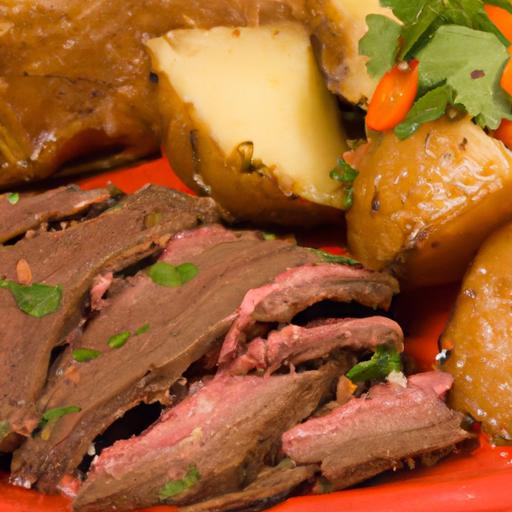


In the vast expanse of Texas, where rugged plains meet endless skies, one culinary tradition reigns supreme: the proud, smoky allure of beef brisket. More than just a cut of meat, Texas beef brisket is a flavorful emblem of the lone Star State’s rich barbecue heritage-a delicious fusion of patience, skill, and fiery passion. From the first fragrant wisp of hickory smoke to the tender, melt-in-your-mouth bite, mastering this classic dish is nothing short of an art form. Join us as we delve into the heritage, technique, and irresistible flavors that make Texas brisket not only a meal but a celebrated symbol of Texas pride and smoky delight.
Texas beef Brisket perfectly captures the spirit of the Lone Star State, embodying a centuries-old tradition of communal gatherings, smoky flavors, and culinary artistry. This iconic dish originated from hardworking Texas pioneers who transformed a tough cut of beef into tender, flavorful slices through patient smoking and expert seasoning. The subtle balance of smoky aroma, a deeply seasoned bark, and succulent meat tells a story of culture and craftsmanship that continues to bring people together around the grill or smoker.
Prep and Cook Time
- Readiness: 30 minutes
- Smoking/Cooking: 10 to 14 hours
- Resting: 1 hour
- Total Time: Approximately 12 to 16 hours
Yield
Serves 8-10 hearty portions
Difficulty Level
Advanced – Patience and precise temperature control are key
Ingredients
- 1 whole Texas beef brisket (approximately 12 pounds), trimmed to ¼-inch fat cap
- ¼ cup kosher salt
- ¼ cup coarsely ground black pepper
- 2 tbsp smoked paprika
- 2 tbsp garlic powder
- 1 tbsp onion powder
- 1 tbsp chili powder
- 2 tsp cayenne pepper (optional, for heat)
- Wood chips or chunks for smoking (oak or mesquite recommended)
- Yellow mustard (for binding the rub)
- Water or beef broth for the water pan in smoker
Instructions
- Trim the Brisket: Ensure the fat cap is about ¼ inch thick by trimming excess fat, which prevents flare-ups and allows smoke penetration.
- Apply the binder: Lightly coat the brisket with yellow mustard to help the dry rub adhere without overpowering the flavor.
- Prepare the Dry Rub: Combine kosher salt, black pepper, smoked paprika, garlic powder, onion powder, chili powder, and cayenne pepper in a bowl. Mix thoroughly.
- Season the Brisket: Generously apply the dry rub to every surface of the brisket, massaging it in for maximum flavor infusion. Wrap the meat in plastic wrap and refrigerate at least 4 hours, preferably overnight.
- Preheat the Smoker: Stabilize your smoker’s temperature at 225°F (107°C). Set a water pan inside to maintain humidity,which aids in tenderness.
- Add Wood and Smoke: Use oak or mesquite wood for authentic Texas flavor, placing chunks strategically on the coals or in the smoker box.
- Smoke the Brisket: Place the brisket fat-side up on the smoker grates. Maintain steady temperature and smoke for about 1.5 hours per pound,monitoring internal meat temperature.
- Wrap for Tenderness: When the internal temperature reaches 165°F (74°C), wrap the brisket tightly in butcher paper or foil (Texas crutch) to retain moisture and continue cooking.
- Finish Cooking: Continue smoking until the internal temperature hits 203°F (95°C), which signals peak tenderness.
- rest the Brisket: Let the wrapped brisket rest in a cooler or warm place for at least 1 hour. This step lets juices redistribute for moist, sliceable meat.
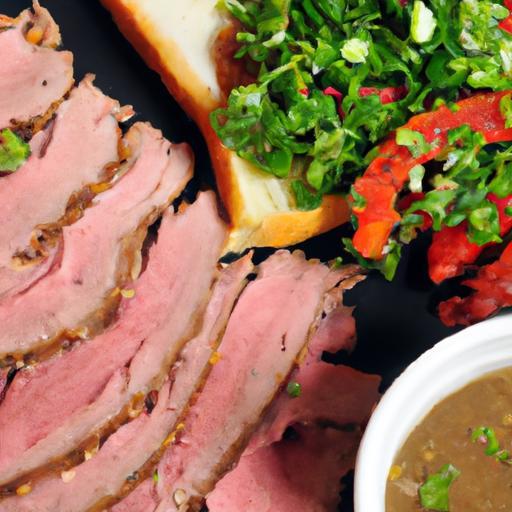
- Slice and Serve: Cut the brisket against the grain into ¼-inch slices. Serve immediately alongside your favorite traditional sides.
Tips for Success
- Patience is a virtue: avoid rushing the cook time; low and slow is essential for breaking down the brisket’s connective tissue.
- Temperature control: Invest in a quality meat thermometer with a probe to monitor internal meat and smoker temperatures continuously.
- Maintain Smoke: Limit overly heavy smoke, which can lead to bitter flavors. Aim for a thin blue smoke rather than thick white plumes.
- Rest Thoroughly: Do not skip resting – this allows rendered fat and juices to return through the meat fibers.
- Dry Rub variations: Customize your rub by adding ground cumin, coriander, or even a touch of brown sugar for subtle sweetness, but balance is key.
- Make-ahead Option: cook the brisket a day in advance, refrigerate wrapped, and reheat gently with beef broth to refresh before serving.
Serving Suggestions and Pairings
Texas beef brisket shines brightest when paired with bold, comforting classic sides. Serve thick slices alongside smoky baked beans, creamy coleslaw, and crisp jalapeño cornbread to bring harmony to texture and flavor. A drizzle of tangy Texas-style barbecue sauce can augment each bite, but the brisket’s bark often needs no embellishment.
Garnish with fresh parsley or sliced scallions for a pop of color and brightness. For beverages, a cold glass of Texas sweet tea or a robust local craft beer will complement the smoky richness beautifully.

| Nutrient | Per Serving |
|---|---|
| Calories | 450 kcal |
| protein | 42 g |
| Carbohydrates | 3 g |
| Fat | 30 g |
For those eager to explore more about barbecue smoking techniques, visit AmazingRibs.com – a treasure trove of expert tips and science-backed guides.
Discover additional Texas-style recipes and culinary inspiration by reading our Texas Barbecue Guide, perfect for deepening your mastery of authentic Lone Star flavors.
Q&A
Q: What makes Texas beef brisket so iconic in the world of barbecue?
A: Texas beef brisket stands as a symbol of Lone Star barbecue culture. Its iconic status comes from the perfect harmony of smoky flavor, tender texture, and a simple seasoning approach that highlights the natural richness of the beef. The artful slow smoking process transforms a tough,fibrous cut into succulent,melt-in-your-mouth goodness that tells a story of patience,tradition,and passion.
Q: Why is brisket considered a challenging cut to cook, and how do pitmasters overcome this?
A: Brisket is a notoriously tough cut from the cow’s lower chest, packed with connective tissue and muscle fibers. Without proper cooking, it can turn out chewy and dry. Pitmasters overcome this challenge through low-and-slow smoking, allowing time for the collagen to break down into gelatin. This renders the meat tender and moist,while the smoke infuses layers of rich flavors. Mastering temperature control and timing is key to shepherding this change.
Q: What is the traditional seasoning approach for Texas beef brisket?
A: Traditional Texas brisket seasoning is refreshingly simple.Usually, it’s just a dry rub of coarse kosher salt and freshly ground black pepper. This minimalist approach allows the natural beef flavor to shine while enhancing the bark-the flavorful crust that forms on the meat during smoking. Some pitmasters add a touch of garlic powder or paprika,but the heart of Texas brisket seasoning remains its purity and balance.
Q: How does the choice of wood influence the flavor profile of the brisket?
A: The choice of wood is crucial in defining the character of Texas brisket’s smoky notes. Native hardwoods like post oak are quintessential, offering a steady, mild smoke that complements the beef’s robust flavor without overpowering it. Hardwoods burn slowly and create the signature deep, earthy aroma that makes Texas brisket unmistakable, building layers of complexity with just the right amount of smoke ring magic.
Q: What role does the “bark” play in the overall experience of Texas beef brisket?
A: The bark is the savory, crusty outer layer formed by the seasoning, meat juices, and smoke interacting during cooking. It’s a prized textural contrast-crispy, fragrant, and packed with flavor.The bark is a sweet spot where Maillard reaction meets smoky infusion, creating a deep umami punch that balances with the tender, juicy interior. For manny barbecue lovers, the bark is where the soul of Texas brisket lives.
Q: How does the resting process impact the final texture and flavor of the brisket?
A: Resting is a critical finishing touch that allows the brisket’s juices to redistribute evenly throughout the meat. After hours in the smoker,if sliced too soon,the brisket can lose its precious moisture. Resting-frequently enough wrapped in butcher paper or foil and kept warm-ensures every bite is juicy and tender, creating a harmonious eating experience that showcases both flavor and texture at thier peak.
Q: Can you describe the cultural meaning of brisket in Texas?
A: In Texas, brisket transcends food-it’s a cultural institution. It’s a centerpiece at family gatherings, county fairs, and Sunday cookouts. The craft of smoking brisket is passed down through generations, steeped in local lore and pride. It embodies the Texas spirit: rugged, authentic, and unpretentious, yet rich with complexity.Through brisket, Texans celebrate community, tradition, and a love of flavor crafted by fire and patience.
Q: What tips would you offer to someone attempting to smoke their first Texas-style beef brisket?
A: Start with a good quality, well-marbled brisket and keep your seasoning simple-salt and pepper are your friends.Patience is your best tool: low temperatures (225-250°F) over many hours are essential. Use post oak or another mild hardwood, maintain consistent smoke, and resist the temptation to peek too often. don’t skip resting-wrap it up and let it sit so juices settle in. Remember, brisket is as much about love and time as it is about technique.
Q: How has modern barbecue innovation influenced traditional Texas brisket preparation?
A: While traditional Texas brisket honors simplicity and patience, contemporary pitmasters experiment with precision temperature controllers, creative wood combinations, and enhanced rub blends.Sous-vide pre-cooking or injecting beef broth can also be found in the modern toolbox. However, these innovations often serve to elevate rather than replace tradition, keeping the heart of texas brisket alive while pushing the boundaries of flavor and texture.
Q: What should a novice look for when selecting a brisket at the butcher?
A: choose a brisket well-marbled with fat interlaced throughout the meat, as this fat melts down during cooking to keep the brisket moist and flavorful. Look for a uniform thickness with a nice fat cap-not too thick, but enough to baste the meat as it smokes.Fresh, bright red color with a firm texture signals good quality.Having a trustworthy butcher can be a game-changer for securing the perfect cut.
In Summary
From the first crackle of the smoker to the final, tender slice, Texas beef brisket embodies more than just a meal-it’s a vibrant tradition steeped in patience, skill, and pride. The art of lone star smoke transforms a humble cut of meat into a flavorful masterpiece that tells a story of heritage, community, and the relentless Texas spirit. Whether you’re a seasoned pitmaster or a curious foodie, embracing the nuances of Texas brisket invites you into a world where fire and time conspire to create something truly unforgettable. So next time you savor that smoky, juicy bite, remember: you’re tasting a piece of Texas itself, slow-cooked to perfection.