



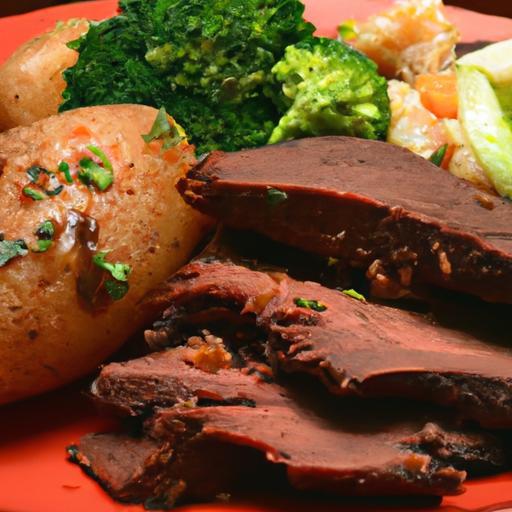
In the vast landscape of Southern cuisine, few dishes command as much reverence and passion as Texas beef brisket. This humble cut of meat, slowly transformed by hours of patient smoke and fire, embodies the very soul of the Lone Star State’s barbecue tradition. More than just a meal, Texas beef brisket is a ritual-a smoky symphony where time, technique, and flavor converge to create something legendary. Join us as we delve into the rich history, meticulous craft, and irresistible taste that make Texas beef brisket the heartbeat of Southern smokehouse flavor.
Mastering the Perfect Smoke: Techniques and Wood Choices for Authentic Flavor
Texas Beef Brisket is more than just a dish; it’s an emblem of southern heritage and culinary craftsmanship. The magic behind each slice lies in the patient, loving attention given during the smoking process. From the cowboys of old to modern pitmasters, mastering the perfect smoke has been a sacred tradition, and today, you’ll learn how to infuse that unmistakable, hearty flavor into your brisket every time.
Prep and Cook Time
- Preparation Time: 30 minutes
- Marinating Time: 4 to 12 hours (recommended)
- Cooking Time: 10 to 14 hours (low and slow smoking)
Yield
Serves 8-10 hearty portions.
Difficulty Level
Advanced – Patience and precise control of smoke and heat are key.
Ingredients
- 1 whole Texas beef brisket (10-12 lbs), trimmed of excess fat
- 1/4 cup kosher salt
- 1/4 cup coarse black pepper
- 2 tbsp smoked paprika
- 2 tbsp garlic powder
- 1 tbsp onion powder
- 1 tbsp chili powder (optional)
- 1 cup beef broth or water (for spritzing)
- Wood chunks for smoking: oak and mesquite blend
Instructions
- Prepare the rub: In a bowl, combine kosher salt, coarse black pepper, smoked paprika, garlic powder, onion powder, and chili powder. This signature dry rub balances heat and savory aromas-a hallmark of Texas Beef Brisket.
- Trim the brisket: Lightly trim excess fat, leaving a thin layer for moisture and smoke absorption. Pat the meat dry with paper towels to help the rub adhere evenly.
- Apply the rub: Generously coat the entire brisket with the dry rub, pressing firmly to embed the spices into every crevice. Wrap the brisket in plastic wrap and refrigerate for 4-12 hours to allow flavors to meld deeply within the meat fibers.
- Prepare the smoker: Set your smoker to maintain a steady 225°F (107°C). Use a mix of oak for its smooth, classic smoke and mesquite for a brisk, slightly sweet finish-both woods contribute layers of complex, authentic flavor.
- Start smoking: Place the brisket fat side up on the smoker grate, allowing fat to render slowly over the cut. Smoke for approximately 6 hours, spritzing with beef broth or water every hour to keep the meat moist and create a beautiful bark (outer crust).
- Wrap the brisket: Once the internal temperature hits around 165°F (74°C), wrap the brisket tightly in butcher paper or heavy-duty aluminum foil. This “texas crutch” helps the meat retain moisture while continuing to tenderize.
- Continue smoking: Return the wrapped brisket to the smoker and cook until the internal temperature reaches 203°F (95°C), approximately 4 to 6 more hours. Use a probe thermometer for accuracy.
- Rest the brisket: Remove the brisket from the smoker and let it rest wrapped for at least 1 hour. This allows juices to redistribute, contributing to that coveted juicy tenderness.
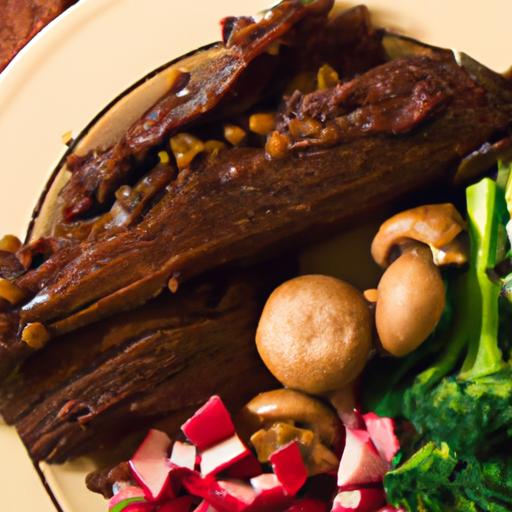
- Slice and serve: Slice against the grain in 1/4-inch thick slices, unveiling the succulent, smoky interior and the signature dark bark that defines Texas Beef Brisket.
Tips for Success
- Wood selection: Avoid stronger woods like hickory alone; thier intensity can overpower the brisket’s natural flavor. Oak and mesquite provide a balanced smoke profile.
- Low and slow: Resist the urge to increase temperature. Patience ensures connective tissue breaks down perfectly, ensuring tenderness.
- Spritz frequently enough: This helps maintain surface moisture and forms a sticky bark that traps smoke and seasoning flavors beautifully.
- Make-ahead: Brisket can be smoked a day in advance. Refrigerate sliced brisket, then reheat gently wrapped in foil with a splash of beef broth to preserve moisture.
Serving Suggestions
Present your Texas Beef Brisket alongside classic southern sides like creamy coleslaw,smoky baked beans,and homemade cornbread.Garnish with freshly chopped parsley and offer tangy barbecue sauce on the side-keeping it optional to honor the pure smokehouse essence. For a fresh contrast, serve pickles or pickled jalapeños that cut through the richness, creating a perfect bite every time.

| Nutritional Data (per serving) | Amount |
|---|---|
| Calories | 420 |
| Protein | 42g |
| Carbohydrates | 1g |
| Fat | 28g |
For an extended exploration of timeless Southern recipes, check out our Southern Smokehouse Classics. To learn more about enduring beef sourcing, visit the Beef It’s What’s For Dinner official resource.
Q&A
Q&A: Texas Beef Brisket – The Heartbeat of Southern Smokehouse Flavor
Q1: What makes Texas beef brisket so iconic in Southern barbecue culture?
A1: Texas beef brisket is more than just a cut of meat; it’s a cultural emblem. Its rich marbling and hearty texture hold up beautifully to the long, slow-smoking process customary in Texas, which infuses the meat with deep smoky flavors and a tender bite. This method transforms a humble cut into a celebratory centerpiece that embodies the spirit of Southern smokehouse flavor.
Q2: Why is the smoking process crucial to perfecting Texas brisket?
A2: Smoking is the alchemy behind Texas brisket’s magic. Low and slow-often 10 to 14 hours-smoking at controlled temperatures renders the tough collagen into succulent gelatin,while the smoke permeates the meat,creating a flavorful bark on the outside. This process demands patience and precision, making the smokehouse a stage for culinary mastery.
Q3: What cuts of beef are traditionally used for Texas brisket?
A3: Texas brisket typically comes from the lower chest of the cow and includes two main muscles: the flat and the point. The flat offers leaner slices, perfect for neat presentation and sandwiches, while the point is fattier and more indulgently tender-both essential for an authentic Texas barbecue experience.
Q4: How do Texas pitmasters prepare their brisket rubs and seasoning?
A4: The beauty of a Texas brisket rub lies in its simplicity. A classic blend usually highlights coarse black pepper, kosher salt, and sometimes a touch of garlic powder or paprika. this minimalist approach respects the natural beef flavors while allowing the smoke and meat to shine front and centre.
Q5: What’s the secret to slicing brisket like a Texas barbecue pro?
A5: Slice brisket against the grain to ensure tenderness in every bite. As the flat and point muscles have grains running in different directions, knowing where to make those cuts is essential. This technique helps unlock brisket’s juiciness without turning it chewy or stringy.
Q6: Can Texas brisket be enjoyed beyond traditional barbecue plates?
A6: Absolutely! While texas brisket reigns supreme as a smokehouse staple, its smoky richness lends itself beautifully to creative culinary endeavors-from bold tacos and hearty sandwiches to creamy macaroni casseroles or smoky chili. It adds soul to every dish it touches.
Q7: How does the cattle and ranching culture influence Texas brisket’s flavor?
A7: Texas ranchers play a vital role in the brisket story, raising cattle on expansive pastures with grasses native to the Lone Star state. This terroir imparts subtle flavor distinctions to the beef, contributing to brisket’s authentic taste that’s distinctly texan.
Q8: What role does the “bark” play in the brisket experience?
A8: The bark is the caramelized,crispy crust on the brisket’s surface formed from the rub,rendered fat,and smoke exposure. It’s the textural counterpoint to the tender meat inside and a prized hallmark of a perfectly smoked Texas brisket. The bark offers bursts of savory, smoky flavor that keep aficionados coming back for more.
Q9: How has Texas brisket influenced barbecue traditions beyond Texas?
A9: Texas brisket has become a beacon for pitmasters nationwide, inspiring barbecue styles that emphasize patience, smoke quality, and meat respect. Its influence has sparked festivals, competitions, and a growing appreciation for the craft behind true Southern smokehouse flavor, spreading the Texas brisket gospel far beyond state borders.
Q10: What’s one essential piece of advice for someone attempting texas brisket at home?
A10: Patience is your best friend. Embrace the slow cooking process without rushing the bark development or slicing too soon. Invest in a good smoker or set up a reliable low-temp cooking method, and remember that mastering brisket is as much about passion as it is technique. every brisket tells a story-let yours be one of dedication to Southern smokehouse flavor.
The Way Forward
From the first smoky wisp curling through the air to the last melt-in-your-mouth bite,Texas beef brisket stands as more than just a dish-it’s a vibrant testament to Southern heritage,patience,and passion. This iconic cut, kissed by hickory and oak, carries with it stories of tradition, community, and culinary artistry that have been perfected over generations. Whether you’re a seasoned pitmaster or a curious newcomer, embracing the rich flavors of Texas brisket is to savor a piece of the South’s smoky soul. So next time you find yourself at a smokehouse or firing up your own grill, remember: you’re not just cooking meat, you’re partaking in a flavorful legacy that continues to ignite hearts and palates alike.