



there’s something undeniably comforting about a perfectly cooked sweet potato – tender, sweet, and ready to elevate any meal. Yet, achieving that ideal soft texture every time can feel like a hidden art. Whether you’re a kitchen novice or a seasoned cook, mastering the basics of boiling sweet potatoes is a game-changer. In this guide, we’ll dive into simple techniques and expert tips to ensure your sweet potatoes come out flawlessly soft, juicy, and bursting with flavor, turning a humble root vegetable into a star ingredient on your plate. Let’s peel back the layers and get boiling!
Choosing the Right Sweet Potatoes for Boiling Success
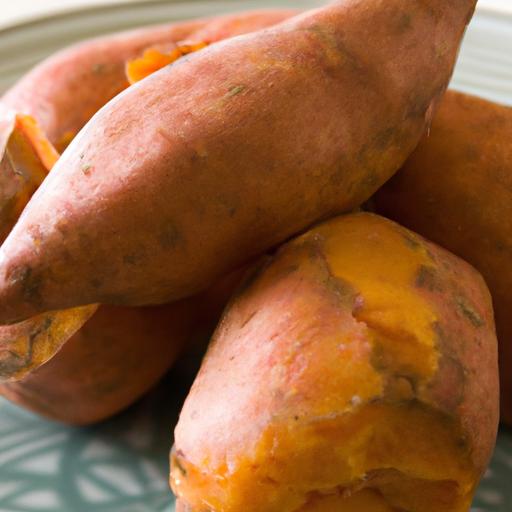
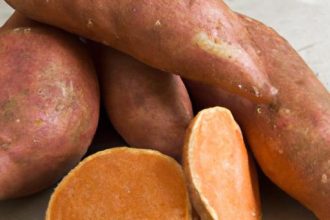
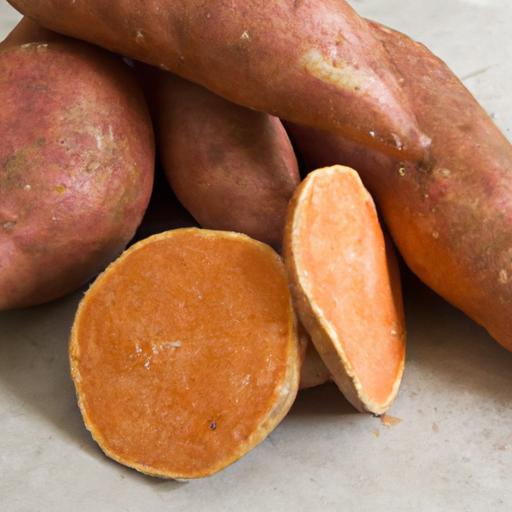
Sweet potato boiling basics: perfectly soft every time! Begin your journey with selecting just the right sweet potatoes. The ideal tuber should be firm, smooth-skinned, and free of cuts or bruises. Opt for medium-sized sweet potatoes with vibrant orange flesh to deliver that creamy texture and natural sweetness we crave after boiling.
When purchasing,avoid overly large potatoes,which can be fibrous and uneven in texture,leading to inconsistent boiling results. Instead, choose sweet potatoes that are similar in size so they cook at the same rate, ensuring a uniform softness throughout. For the freshest flavor, seek out organic or locally grown options when possible, as they retain more nutrients and richer taste after boiling.
Mastering the Ideal Water Temperature and Timing
Starting with cold water is key to boiling sweet potatoes evenly.Place peeled or unpeeled sweet potatoes in a pot, cover them with cold water by at least an inch, and then gradually bring to a gentle boil over medium heat. This slow heat increase allows the potatoes to cook consistently from edge to center without becoming mushy on the outside.
The timing will vary based on size and cut. Whole medium sweet potatoes usually take 30-40 minutes, while cubed pieces may only need 15-20 minutes. Test doneness with a fork-when it slides in easily but the sweet potato holds its shape,you’ve struck boiling perfection.
techniques to Achieve Evenly Cooked Softness Throughout
To ensure even cooking, cut the sweet potatoes into uniform chunks about 1 to 1.5 inches square. This size balances cooking speed with texture, giving tender interiors while avoiding disintegration. Stir gently once or twice during boiling to prevent sticking and promote uniform heat circulation.
Keep the water at a gentle simmer rather than a rolling boil to maintain control over the cooking process. Overly aggressive boiling causes chipping and uneven softness. Drain instantly once tender to stop cooking and avoid waterlogging, which dilutes natural flavors and compromises texture.
Tips for Preserving Flavor and Nutrients during Boiling
Boiling sweet potatoes can sometimes leach flavor and nutrients if not done mindfully. To preserve their inherent sweetness and vibrant color, start with unpeeled tubers whenever possible; the skin acts as a protective layer. If peeling first, do so thinly to retain most of the vitamin-rich flesh.
Adding a pinch of sea salt to the boiling water enhances the natural sugars,elevating the final taste without overpowering. Avoid excessive boiling times to limit nutrient loss-sweet potatoes are packed with antioxidants that degrade quickly in prolonged heat.
Once drained, allow the potatoes to steam-dry briefly-this keeps them fluffy and minimizes water absorption. For extra depth, finish with a drizzle of high-quality extra virgin olive oil or a scattering of fresh herbs like thyme or rosemary to complement the simple, pure flavor achieved with boiling.

Prep and Cook Time
- Readiness: 10 minutes
- Cooking: 20-40 minutes depending on potato size
- Total Time: 30-50 minutes
Yield
Serves 4 as a side dish
Difficulty Level
Easy – Perfect for cooks at any skill level
ingredients
- 2 pounds medium sweet potatoes, peeled or unpeeled
- 3 quarts cold water
- 1 teaspoon sea salt
- 1 tablespoon extra virgin olive oil (optional, for finishing)
- Fresh herbs (thyme or rosemary, optional garnish)
Instructions
- Prepare the sweet potatoes. Rinse thoroughly. Peel if desired,then cut into uniform 1 to 1.5-inch chunks to ensure even cooking.
- place sweet potatoes in a large pot. Cover with cold water by at least 1 inch to start the cooking gently.
- Add sea salt to the water to subtly enhance natural sweetness.
- Bring to a gentle boil over medium heat. Avoid high heat to prevent uneven cooking and skin breakage.
- Simmer gently,stirring occasionally, until sweet potatoes are fork-tender-about 15-20 minutes for cubes,30-40 minutes for whole tubers.
- Drain promptly in a colander to halt cooking and prevent sogginess.
- Let potatoes steam-dry for a minute or two to remove excess moisture.
- Optionally, toss with extra virgin olive oil and fresh herbs before serving for added flavor and shine.
Chef’s Notes
- For mashed sweet potatoes,boiling with skin on helps retain moisture and reduces nutrient loss. Peel after cooking for an easier mash.
- Use a heavy-bottomed pot to maintain steady heat and prevent hot spots.
- If you want to speed cooking, cut potatoes into smaller chunks but watch closely to avoid overcooking.
- Leftover boiled sweet potatoes stay fresh in an airtight container for up to 4 days in the refrigerator.
- Experiment with flavored cooking waters-adding a cinnamon stick or a bay leaf gently infuses subtle aromas.
Serving Suggestions
Serve the perfectly boiled sweet potatoes simply garnished with a sprinkle of flaky sea salt and chopped fresh parsley or chives to brighten flavors. Pair with a dollop of cinnamon-spiced yogurt or a drizzle of tahini sauce for an irresistible blend of creamy and savory.
They also shine as a hearty base for warm grain bowls or alongside roasted vegetables and crispy kale chips, making every meal wholesome and vibrant.
| Nutrient | Per Serving |
|---|---|
| Calories | 130 |
| Protein | 2g |
| Carbohydrates | 31g |
| Fat | 0.2g |
For further inspiration, explore our roasted sweet potatoes recipe and learn how contrast in textures brings out the best in this versatile vegetable. For more nutritional insights, visit NutritionValue.org.
Q&A
Sweet Potato Boiling Basics: Perfectly Soft Every Time! – Q&A
Q1: why boil sweet potatoes rather of baking or roasting?
A: Boiling sweet potatoes is a swift and straightforward method that brings out their natural sweetness and ensures an evenly soft texture. Unlike baking or roasting,which can take longer and create crispy edges,boiling cooks sweet potatoes uniformly,perfect for mashing or incorporating into other dishes.
Q2: How do I choose the right sweet potatoes for boiling?
A: Look for sweet potatoes that are firm, without any bruises or soft spots. Choose ones that are medium-sized and similar in shape so they cook evenly. Varieties with smoother skin tend to peel more easily after boiling.
Q3: Should I peel sweet potatoes before boiling?
A: It depends on how you plan to use them! Leaving the skin on during boiling helps retain nutrients and makes peeling afterward easier-just slip it off with your hands or a knife once they’re tender. If you prefer, you can peel them before boiling, but expect a slightly quicker cook time and a messier pot.Q4: How long does it take to boil sweet potatoes to perfect softness?
A: On average, medium-sized chunks or whole sweet potatoes take about 20-30 minutes to boil to an easily pierced, soft texture. Smaller pieces will cook faster (around 15 minutes), while whole large sweet potatoes might take closer to 40 minutes. Start checking at 15 minutes by stabbing with a fork.
Q5: Should I salt the boiling water?
A: Adding a pinch of salt to the boiling water helps season the sweet potatoes subtly and can enhance their natural flavors without overpowering them. however,it’s optional-boiling in plain water works just fine if you prefer a more neutral base.
Q6: What’s the best technique for boiling sweet potatoes evenly?
A: Cut sweet potatoes into uniform chunks-about 1 to 2 inches-to ensure they cook at the same rate. Submerge them wholly in cold water,then bring to a boil. Starting in cold water helps the sweet potatoes cook evenly from the inside out.
Q7: how do I know when sweet potatoes are perfectly boiled?
A: They’re ready when a fork or knife slides easily through with little resistance, and the flesh feels tender but not mushy. If you encounter any firm spots, give them a few more minutes-remember, overcooking can cause excessive water absorption and sogginess.Q8: Can I boil sweet potatoes in advance?
A: Absolutely! Boiled sweet potatoes store well in the fridge for 3-5 days and freeze nicely too. Just cool them completely, then transfer to airtight containers.Reheat gently to preserve their soft texture, whether you’re using them in recipes or enjoying them plain.
Q9: Are there flavor boosters to add while boiling?
A: You can infuse the water subtly by adding aromatics like a cinnamon stick, a few cloves, or a split vanilla bean. These add a gentle aroma and enhance the sweet notes of the potatoes-perfect for desserts or spiced dishes.
Q10: What’s the best post-boil use for my tender sweet potatoes?
A: The silky softness achieved through boiling makes sweet potatoes ideal for mashing with butter and spices, blending into creamy soups, folding into batter for pancakes or breads, or cubing for salads. Their tender,naturally sweet bite is a versatile base for countless culinary creations!
Mastering the simple art of boiling sweet potatoes sets the stage for countless cozy,comforting kitchen experiments-soft,sweet,and just right every single time.
Concluding Remarks
Whether you’re a seasoned kitchen pro or a curious newbie, mastering the art of boiling sweet potatoes is a simple yet satisfying skill that transforms your meals from ordinary to remarkable. With these sweet potato boiling basics under your belt, you’re now equipped to achieve that tender, melt-in-your-mouth texture every single time. So go ahead-peel, chop, and boil with confidence, knowing that perfectly soft sweet potatoes are just a pot away. Your next comforting dish awaits!