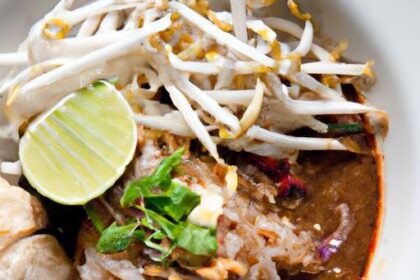





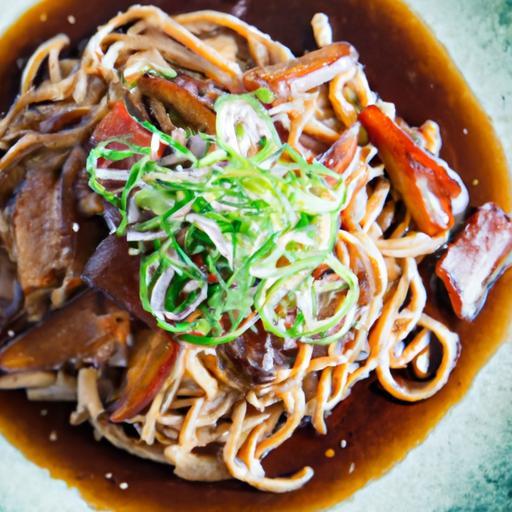
In the delicate strands of soba noodles lies a story that stretches back centuries-a tale woven through Japan’s seasons,culture,and culinary artistry. Savoring soba is more than just enjoying a meal; it is indeed an invitation too explore a timeless tradition that marries simplicity with depth, history with innovation. From the mountain villages where buckwheat is lovingly cultivated to the bustling city stalls serving steaming bowls in the blink of an eye, soba embodies the essence of Japanese cuisine: balance, respect for nature, and an unspoken poetry in every bite. Join us as we journey through the origins, rituals, and flavors of soba, uncovering why this humble noodle continues to captivate palates and hearts across generations.
Savoring Soba unveils a profound journey through Japan’s timeless noodle tradition, tracing back centuries when buckwheat noodles emerged as a humble staple among farmers and samurai alike.The nutty aroma and firm texture of soba represent not just a dish, but a cultural touchstone, symbolizing longevity and seasonal reverence. My first encounter with fresh soba, hand-cut in a quaint Tokyo eatery, left me enchanted by its delicate balance of earthiness and elegance-an experience every food lover deserves to savor.
Prep and Cook Time
- Preparation: 25 minutes
- Cooking: 10 minutes
- Total Time: 35 minutes
Yield
serves 4 generous portions
Difficulty Level
Medium - requires some practice with dough kneading and rolling
Ingredients
- 2 cups buckwheat flour (soba-ko),sifted
- 1/2 cup all-purpose flour,sifted (for elasticity)
- 3/4 cup cold water
- 1 tsp salt
- For the dipping sauce (Tsuyu):
- 1 cup dashi stock (kombu &shiitake based)
- 1/4 cup soy sauce (gluten-free recommended if desired)
- 2 tbsp mirin
- 1 tsp sugar
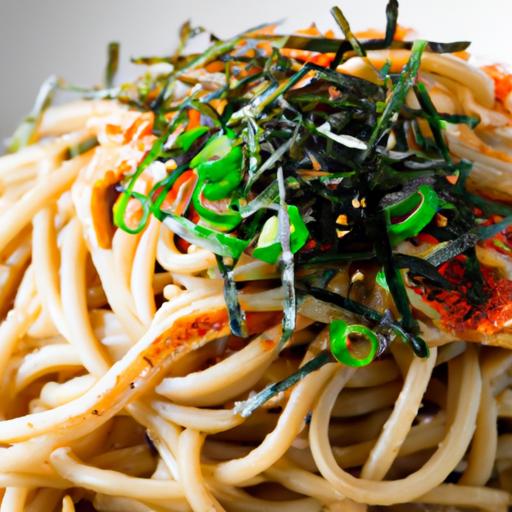
- Garnishes: finely sliced green onions,freshly grated wasabi or wasabi paste,toasted nori strips,and toasted sesame seeds
Instructions
- Prepare the Dough: In a large mixing bowl,combine the buckwheat flour,all-purpose flour,and salt.Slowly add the cold water while mixing with your hands, until the dough starts to come together.
- Knead the Dough: Transfer onto a clean surface and knead for about 8 to 10 minutes, pressing and folding until the dough is smooth but slightly firm. Cover with a damp cloth and rest for 20 minutes to relax the gluten.
- Roll Out the Dough: Lightly flour your work surface with buckwheat flour. Roll the dough out evenly to about 1.5mm thickness, using a rolling pin.aim for a rectangular shape for easier cutting.
- Cut the Soba Noodles: Fold the dough sheet into thirds, dusting with flour to prevent sticking.Using a sharp knife,slice noodles about 2-3mm wide with a steady hand for uniformity.
- Cook the Noodles: Bring a large pot of water to a rolling boil. Add noodles gently and cook for 2-3 minutes until al dente (firm with a slight chew). Stir occasionally to prevent sticking.
- Drain and Rinse: Drain noodles immediately and rinse under cold running water to stop cooking and remove excess starch.
Tip: gently rub noodles while rinsing for a clean finish and enhanced texture. - Prepare the Dipping Sauce: In a small saucepan, combine dashi, soy sauce, mirin, and sugar. Heat gently until sugar dissolves. Cool to room temperature.
- Serve: Place noodles in chilled bowls or on bamboo mats (zaru). Serve dipping sauce on the side with garnishes for a refined, interactive experience.
Tips for Success
- Flour balance: The combination of buckwheat with all-purpose flour is vital-too little gluten and noodles become brittle; too much and the soba loses its traditional texture.
- Water Temperature: Keep the water cold during dough preparation to prevent premature gluten development, ensuring a tender bite.
- knife Skills: Use a sharp, thin-bladed knife for cutting. Invest time in even slicing for consistent cooking.
- Make-Ahead: Dough can be refrigerated for an hour before rolling; freshly cooked soba is always preferred but noodles can be briefly reheated in boiling water.
- Gluten-Free Version: Use 100% buckwheat flour and bind with a pinch of xanthan gum to replace wheat flour.
Serving Suggestions
Enjoy your soba chilled on a zaru tray in the summer months, dipped into cooled tsuyu sauce with a hint of grated wasabi and a scatter of nori. For colder seasons, serve in a hot broth enriched with shiitake mushrooms and tofu, topped with scallions and a sprinkle of toasted sesame seeds for warmth and comfort. Soba pairs beautifully with a side of tempura vegetables or grilled fish to balance texture and flavor.
| Nutrient | Per Serving (Approx.) |
|---|---|
| Calories | 280 kcal |
| Protein | 9 g |
| Carbohydrates | 55 g |
| Fat | 1.5 g |
Discover Japan’s rich soba history hear and deepen your appreciation for this tasty tradition. To explore more Japanese noodles, check out our guide to Udon vs Soba where texture and taste meet cultural roots.

Q&A
Savoring Soba: Exploring Japan’s Timeless Noodle Tradition – Q&A
Q1: What makes soba noodles so special in Japanese cuisine?
A1: Soba noodles, crafted primarily from buckwheat flour, embody a rustic elegance that’s both humble and refined. Their nutty flavor and firm texture offer a unique eating experience that’s deeply tied to Japan’s seasons and regional diversity. More than just food, soba is a cultural symbol of longevity and resilience, often enjoyed during celebrations like New Year’s Eve.Q2: How is soba traditionally prepared and served?
A2: The magic of soba lies in its simplicity. Served hot in a clear broth or chilled with a dipping sauce, soba invites diners to appreciate its subtle flavors and chewy bite. The dipping sauce, or tsuyu, is a harmonious blend of dashi (broth), soy sauce, and mirin, perfectly complementing the noodles. Garnishes like chopped scallions, wasabi, or grated daikon add layers of freshness and spice.
Q3: Are there regional variations of soba across Japan?
A3: Absolutely! From the snowy landscapes of Nagano, famous for Shinshu soba, to the earthy tones of the Izu Peninsula, each region boasts its own take. Some areas use a higher ratio of buckwheat flour for a darker, more robust noodle, while others might add local ingredients like yuzu zest or mountain vegetables to elevate the dish.
Q4: How is soba connected to Japanese culture and traditions?
A4: Soba noodles are more than nourishment; they carry spiritual and cultural importance. Eating Toshikoshi Soba on New Year’s Eve symbolizes cutting off the hardships of the past year and welcoming a fresh start. The long strands also represent a wish for longevity. Additionally, soba craftsmanship is considered an art, with skilled chefs dedicating years to perfecting the kneading, rolling, and cutting techniques.
Q5: Can soba be enjoyed in various ways beyond the classic hot and cold dishes?
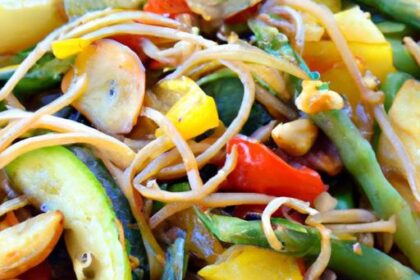
A5: Yes! while the classic presentations are beloved, soba noodles shine in creative reinterpretations. from soba salads tossed with seasonal vegetables to crispy soba tempura bites, the versatility of buckwheat noodles invites culinary exploration. In some regions, soba is also used in soups enriched with local mushrooms or seaweed, reflecting the intimate relationship between the dish and its habitat.Q6: What should one look for when choosing high-quality soba noodles?
A6: Authentic soba noodles boast a slightly grainy texture and a subtle aroma of buckwheat.High-quality soba often contains a meaningful percentage of buckwheat flour (sometimes 100%) and is handmade or artisan-crafted. Freshness is key – the noodles should snap gently when bent rather than being overly soft or mushy.Q7: How has soba evolved in contemporary Japanese cuisine?
A7: Contemporary chefs honor tradition while embracing innovation. Soba cafés and eateries now serve fusion dishes pairing soba with inventive ingredients such as truffle oil, seasonal herbs, or plant-based broths. This evolution respects soba’s heritage while inviting new generations to savor its timeless appeal.
Q8: Are there health benefits associated with eating soba noodles?
A8: indeed, soba noodles are a nutritious choice. Buckwheat is rich in protein, fiber, and essential minerals like manganese and magnesium. It’s also gluten-free naturally, though many soba noodles are blended with wheat flour, so it’s wise to check labels if gluten sensitivity is a concern. this hearty noodle supports digestion and sustained energy levels, making it both a delicious and mindful meal option.
Savoring soba is a journey into Japan’s culinary soul-where every strand tells a story of tradition, nature, and craftsmanship. Whether enjoyed in a rustic mountain town or a bustling city café, soba invites you to pause, taste, and connect with a heritage that’s as enduring as the noodles themselves.
Concluding Remarks
As the fragrant steam rises from a bowl of soba, it invites more than just a meal-it beckons a journey through centuries of Japanese culture, craftsmanship, and comfort. Each slurp is a delicate dance of flavor and history,a reminder that in the simplicity of buckwheat noodles lies a timeless tradition cherished by generations. Whether enjoyed in a bustling Tokyo eatery or a quiet countryside inn, soba transcends mere sustenance to become a symbol of connection-to the land, the seasons, and the people who continue to savor its humble elegance. So next time you twirl those slender strands, take a moment to appreciate the story woven into every bite, and celebrate the enduring spirit of Japan’s beloved noodle art.