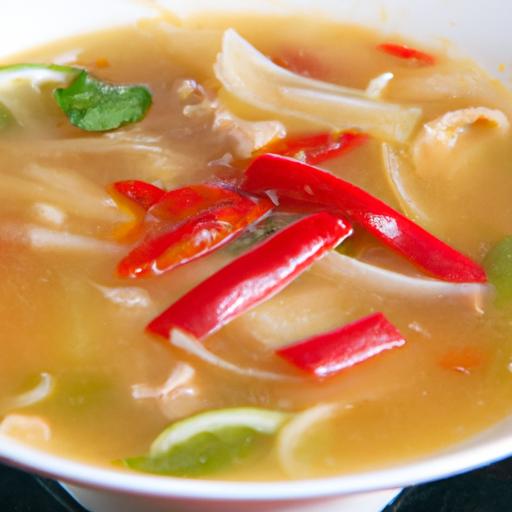

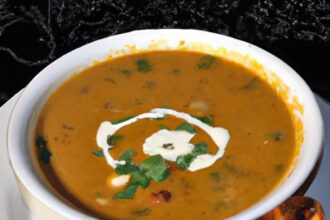

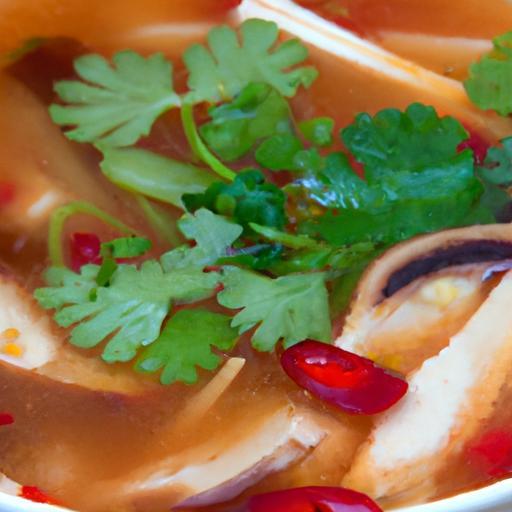
There’s a reason why hot and sour soup has long held a cherished place at Chinese dining tables – it’s a symphony of bold flavors that both warms the soul and awakens the palate. With its tantalizing balance of spicy heat and tangy brightness, this beloved staple invites you to savor a tradition steeped in centuries of culinary artistry. Journey with us as we explore the origins, ingredients, and cultural meaning behind this vibrant bowl of hot and sour soup, uncovering the stories that make each spoonful a harmonious celebration of Chinese heritage.
Origins and Cultural Significance of Chinese Hot and Sour Soup
Savor the Zesty Tradition: Exploring Chinese Hot & Sour soup is a journey into centuries-old culinary heritage celebrated across China’s diverse regions. This soup traces its roots to Sichuan province, where the bold interplay of spicy heat and bright acidity mirrors both the local palate and the cultural emphasis on balance in food.Historically,hot and sour soup emerged as an accessible comfort dish-easy to prepare with seasonal ingredients and medicinal benefits,believed to stimulate digestion and circulation. Families cherished it as a restorative meal during chilly winters,and today,it remains a cornerstone of Chinese banquets and everyday dining alike,symbolizing warmth,vitality,and communal harmony.
Key Ingredients and Their Flavorful Impact
At the heart of this dish,each ingredient plays a pivotal role in crafting the signature bright and layered profile. Black vinegar provides a deep, tangy backbone that complements the white pepper’s sharp spice unlike hotter chili alternatives, adding a gentle heat.Tofu offers a silky texture that absorbs these flavors beautifully while keeping the soup light and nourishing. The crunch of bamboo shoots and earthy bite of shiitake mushrooms introduce contrasting textures that dance on the palate. Fresh ginger and garlic infuse warmth and aromatic depth,while a delicate touch of sesame oil imparts subtle nuttiness,rounding out this complex yet harmonious concoction.
Traditional Preparation Techniques for Authentic Taste
Creating an authentic hot and sour soup hinges on layering flavors through careful preparation.Rather than rushing, ingredients are added in stages: frist, sauté the aromatics-ginger and garlic-in a wok or heavy-bottomed pot to awaken their fragrance.Then, mushrooms and bamboo shoots follow, releasing their rich umami. The broth itself is traditionally crafted from chicken or vegetable stock, simmered gently to deepen flavor without overwhelming the balance.Cornstarch slurry is an essential step, gradually stirred in to lend a velvety, slightly thickened texture that distinguishes this soup from thinner broths. Lastly, tofu is added delicately to maintain its integrity.The finishing garnishes-chopped scallions and freshly ground white pepper-are critical to amplify fragrance and lively zest just before serving.
Expert Tips for Customizing Your hot and Sour Soup Experience
While Savor the Zesty Tradition: Exploring Chinese Hot & Sour Soup embraces classic ingredients, customization allows for personal flair. For a vegan variation, substitute chicken broth with robust mushroom or kombu dashi broth, intensifying the earthy notes. Add more chili oil if you crave a fiery kick, or balance excess heat with a splash of light soy sauce for umami depth.For an added textural contrast, a handful of toasted peanuts or julienned carrots can elevate the sensory experience. When selecting vinegar, opt for a good-quality black vinegar rather than cheaper substitutes-this makes a significant flavor difference. stir gently after thickening to keep the tofu intact; breaking it up too much disrupts the elegant mouthfeel that makes this soup unforgettable.
Prep and Cook Time
- preparation: 15 minutes
- Cooking: 20 minutes
- Total Time: 35 minutes
Yield
Serves 4 generous bowls
difficulty Level
Medium – requiring basic slicing and precise timing for perfect texture and flavor balance
Ingredients
- 6 cups vegetable or chicken broth, preferably homemade or low sodium
- 1 cup firm tofu, cut into ½-inch cubes
- ½ cup bamboo shoots, julienned
- ½ cup dried shiitake mushrooms, soaked and sliced
- 2 tablespoons black vinegar (Chinkiang vinegar)
- 1 teaspoon freshly ground white pepper
- 1 tablespoon soy sauce, light
- 1 tablespoon cornstarch mixed with 3 tablespoons cold water (slurry)
- 1 tablespoon sesame oil
- 2 teaspoons fresh ginger, finely minced
- 2 cloves garlic, minced
- 2 scallions green parts only, thinly sliced
- Optional: 1 teaspoon chili oil for extra heat
Instructions
- Prepare mushrooms: Soak dried shiitake mushrooms in warm water for 20 minutes until soft; drain and slice thinly.
- Sauté aromatics: heat a tablespoon of sesame oil in a large pot over medium heat. Add minced ginger and garlic, sautéing until fragrant, about 1-2 minutes.
- Add vegetables: Stir in bamboo shoots and sliced shiitake mushrooms; cook for 3-4 minutes, stirring occasionally until they soften.
- Pour broth: Gradually add vegetable or chicken broth into the pot. Bring to a gentle boil, then reduce heat to simmer for 10 minutes to develop flavor.
- Season: Stir in soy sauce, black vinegar, and white pepper. Taste and adjust seasoning as desired.
- Add tofu: Carefully fold in tofu cubes, simmering gently for 2-3 minutes so they heat through without breaking apart.
- Thicken soup: Slowly stir in the cornstarch slurry while continuously stirring to avoid lumps, until the soup thickens and becomes glossy.
- Finish and garnish: Drizzle sesame oil and chili oil (if using), then remove from heat. Ladle into bowls and sprinkle with sliced scallions before serving.
Chef’s Notes and Tips for Success
- For a richer broth, simmer shiitake stems and vegetable scraps beforehand and strain before cooking.
- Use fresh white pepper rather than black pepper for authentic heat and aroma.
- Adjust vinegar and pepper gradually-be cautious, as too much can overpower the soup’s balance.
- Make ahead: Prepare broth and mushroom mixture in advance; add tofu and cornstarch slurry just before serving for optimal texture.
- For gluten-free option, swap soy sauce with tamari or coconut aminos.
Serving Suggestions
Present your hot and sour soup steaming hot in deep bowls to retain warmth. Garnish with freshly chopped green scallions and a few drops of chili oil for a fiery red contrast.Serve alongside steamed jasmine or brown rice to complement the soup’s bold flavors. This soup also pairs beautifully with light vegetable stir-fries or crispy spring rolls for a full, satisfying meal experience. For an elevated touch, a sprinkle of toasted sesame seeds or fresh cilantro leaves provides vibrant aroma and texture.
| Nutrient | Per Serving |
|---|---|
| Calories | 140 |
| Protein | 10g |
| carbohydrates | 12g |
| Fat | 6g |

For more Asian-inspired soups that warm the soul,check out our Asian inspired Soups. To learn about the health benefits of black vinegar, visit this in-depth article from Healthline.
Q&A
Q&A: Savor the Zesty Tradition – Exploring Chinese Hot & sour Soup
Q1: What makes Chinese Hot & Sour Soup such a beloved dish?
A1: Chinese Hot & Sour Soup captivates with its bold dance of flavors-tangy vinegar meets fiery white pepper, while savory soy and fragrant ingredients harmonize in every spoonful. Its balance of brightness and heat, paired with a satisfying texture, creates comfort that warms both body and soul.
Q2: where did Hot & Sour Soup originate?
A2: Rooted in the rich culinary traditions of Sichuan and Hunan provinces, Hot & Sour Soup showcases the Chinese mastery of balancing opposing tastes-hot and sour-reflecting the regional love for bold and vibrant flavors that awaken the palate.Q3: What are the key ingredients that define Hot & Sour Soup?
A3: Classic Hot & Sour Soup typically features mushrooms (like shiitake or wood ear), tofu, bamboo shoots, and a flavorful broth seasoned with white pepper and black vinegar. Cornstarch creates a silky, thick texture that carries the spicy and tangy notes beautifully.
Q4: How does the soup achieve its signature “hot” and ”sour” character?
A4: The “hot” element generally comes from white pepper, which offers a sharp, aromatic heat distinct from chili’s fiery burn.The “sour” tipple is traditionally accomplished with Chinese black vinegar, imparting a subtle sweetness and pleasant tang.
Q5: Can Hot & Sour Soup be customized for dietary preferences?
A5: Absolutely! the soup is wonderfully versatile. For a hearty vegetarian option, one can omit meat-based ingredients and focus on mushrooms, tofu, and vegetable broth. Plant-based proteins or even egg strands can be added for richness and texture without compromising tradition.
Q6: What texture combinations are essential in Hot & Sour Soup?
A6: Texture is paramount.The soft, silky tofu contrasts with the slightly chewy wood ear mushrooms and crisp bamboo shoots, while the silky broth binds everything together. These textural contrasts elevate the eating experience, making each spoonful engaging.
Q7: How can one enjoy Hot & Sour Soup beyond mealtime?
A7: While often served as an appetizer or part of a meal, Hot & Sour Soup’s comforting qualities make it perfect for chilly days or when you need a flavorful pick-me-up. Its stimulating taste also complements a variety of other dishes, acting as a palate cleanser or spicy companion.
Q8: what tips help home cooks perfect their own Hot & Sour Soup?
A8: Start with a well-flavored broth, layering in vinegar and white pepper carefully-too much can overpower. Use fresh mushrooms and firm tofu for best texture, and thicken gradually with cornstarch slurry for that perfect, glossy consistency. Don’t forget to taste as you go, adjusting heat and sourness to your liking.
Q9: Are there any cultural or symbolic meanings tied to Hot & Sour Soup?
A9: Beyond flavor, Hot & Sour Soup represents harmony through contrast-an embodiment of yin and yang in culinary form. Its balance of opposing tastes mirrors Chinese philosophies around balance and unity, making it more than just a dish, but a sensory metaphor.
Q10: How has Hot & Sour Soup evolved outside China?
A10: As Chinese cuisine spread worldwide, Hot & Sour Soup adapted to local ingredients and palates while retaining its core essence. Today, it enjoys popularity in diverse culinary scenes, inviting innovation but always savoring the zesty tradition that makes it timeless.
In Retrospect
As the final spoonful of hot and sour soup warms your palate,you’re left with more than just a lingering tang and spice-you’ve savored a culinary tradition steeped in history,culture,and timeless flavor harmony.This zesty brew is more than a dish; it’s a vibrant story served steaming hot, inviting you to explore the intricate balance of sour, spicy, and savory notes that have delighted taste buds for centuries. Whether enjoyed in a bustling street market or recreated in your own kitchen, Chinese hot and sour soup remains a testament to the art of flavor and the enduring spirit of chinese cuisine. So next time you crave a bowl that’s as rich in heritage as it is in taste, remember: every sip is an invitation to experience a zesty tradition worth savoring.