




There’s something magical about sushi-teh delicate balance of vinegared rice, fresh ingredients, and artful presentation that transforms simple components into a culinary masterpiece. While sushi bars around the world showcase this Japanese tradition with flair, the true magic happens when you roll your own at home. “Roll Your Own: A Guide to Appetizing Homemade Sushi Rolls” invites you to embark on a flavorful journey, unlocking the secrets to crafting perfect sushi rolls in your own kitchen.Whether you’re a curious beginner or a seasoned food enthusiast, this guide will equip you with the techniques, tips, and inspiration to create sushi that’s as delicious as it is indeed satisfying. get ready to roll up your sleeves and dive into the art of sushi-making-one bite, and you’ll never look back.
Choosing the Perfect Ingredients for Authentic Flavor and Freshness
Roll Your Own: A Guide to Delicious Homemade Sushi Rolls begins with selecting the freshest, highest-quality ingredients-this is the foundation of every exquisite bite. Fresh seafood like sashimi-grade tuna or salmon, crisp vegetables such as cucumber and avocado, and the right sushi rice elevate your rolls from simple snacks to culinary treasures. Authentic flavor emerges when each element sings in harmony,so take time to source locally or trusted suppliers who prioritize freshness and sustainability.
Be sure to use Japanese short-grain sushi rice, which delivers the ideal sticky texture and subtle sweetness. Complement that with naturally brewed rice vinegar, a touch of sugar, and fine-grained sea salt to season the rice perfectly. Don’t overlook the importance of nimble fingertips and a sharp knife for slicing ingredients precisely, preserving texture and flavor integrity.
Prep and Cook Time
- Readiness: 30 minutes
- Cook Time: 20 minutes (including rice cooking)
- Resting: 15 minutes (for rice seasoning and cooling)
Yield
- 4 sushi rolls (serving 4-6 people)
Difficulty Level
- Medium - perfect for beginners eager to master the basics and expand their skills
Ingredients
- 2 cups Japanese short-grain sushi rice
- 2 ½ cups water, for cooking rice
- ⅓ cup rice vinegar
- 3 tbsp granulated sugar
- 1 tsp fine sea salt
- 4 sheets nori (dried seaweed)
- 8 oz sashimi-grade salmon or tuna, thinly sliced
- 1 small cucumber, julienned
- 1 ripe avocado, sliced
- 2 tbsp toasted sesame seeds
- 1 tbsp wasabi paste (optional)
- Soy sauce, for serving
Instructions
- Rinse the sushi rice under cold water until the water runs clear to remove excess starch.
- Cook the rice in a rice cooker or on the stovetop with 2 ½ cups of water. Bring to a boil, reduce to a simmer, cover, and cook for 18 minutes. let it rest, covered, for 10 minutes.
- While the rice cooks, prepare sushi vinegar by gently mixing together the rice vinegar, sugar, and salt until dissolved. Warm it slightly if needed to help dissolve sugar fully.
- Once rice has rested, transfer to a large wooden or glass bowl. Gradually fold in the sushi vinegar using a cutting motion with a wooden paddle or spatula. Avoid mashing rice; keep grains intact while evenly coating.
- Allow the rice to cool to room temperature by fanning it gently. This process gives the rice a subtle sheen and sticky texture perfect for rolling.
- Lay a bamboo sushi rolling mat on a clean surface and place a sheet of nori, shiny side down, on the mat.
- With wet hands, evenly spread a thin layer of sushi rice over the nori, leaving a 1-inch border at the top. Wetting your hands prevents sticking and keeps rice glossy.
- Arrange your fillings-a few strips of salmon or tuna,cucumber,and avocado-about 1/3 from the bottom edge to allow rolling.
- Begin rolling by lifting the bamboo mat edge closest to you, tucking the fillings snugly as you roll forward. Apply gentle pressure to form a compact, cylindrical shape without squeezing out ingredients.
- Seal the roll by dampening the bare nori edge and finishing the roll, pressing lightly to close.
- Using a sharp,wet knife,slice the roll into six to eight equal pieces. Clean the knife between cuts for clean edges.
- Sprinkle toasted sesame seeds over the rolls and serve immediately with soy sauce and wasabi for dipping.
Tips for Success
- Ingredient Quality: Always use sashimi-grade fish from reputable sources to ensure safety and flavor.
- Rice Consistency: Avoid overcooking rice. Properly cooked sushi rice should be tender but still have a slight bite.
- Rolling Pressure: Maintain gentle pressure to keep rolls tight but avoid crushing delicate fillings.
- Make-Ahead: Sushi rice is best used fresh but can be covered with a damp cloth at room temperature for up to 2 hours without drying out.
- Filling Variations: Try cooked shrimp tempura, pickled radish (takuan), or spicy tuna for exciting twists.
Serving Suggestions
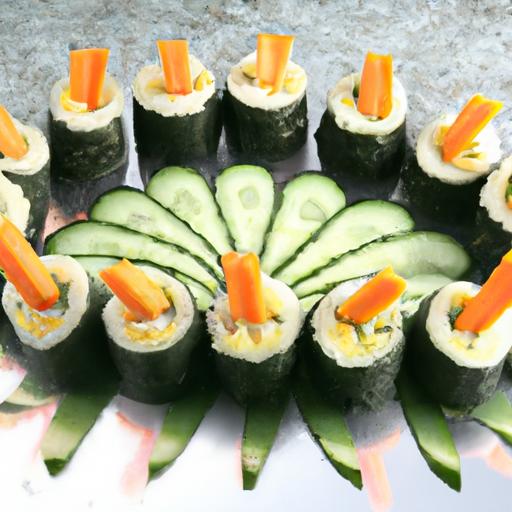
Present your homemade sushi rolls on a long, elegant platter to highlight their colorful layers. Garnish with fresh shiso leaves or thin slices of pickled ginger for palate cleansing. A small dish of soy sauce with a dab of wasabi on the side completes the experience.Pair with a chilled green tea or sparkling water infused with yuzu for a refreshing contrast to the umami-rich flavors.
| Nutritional Information (per serving) | Calories | Protein (g) | Carbohydrates (g) | Fat (g) |
|---|---|---|---|---|
| Per Roll (1/4 recipe) | 320 | 18 | 45 | 6 |

Explore more sushi inspiration in our Homemade Sushi Techniques guide for expanding your culinary repertoire. For in-depth food safety tips on handling raw fish, check out the FDA’s Seafood Safety Guidelines.
Q&A
Q&A: Roll Your Own - A Guide to Delicious Homemade Sushi Rolls
Q1: What makes homemade sushi rolls special compared to store-bought ones?
A: Homemade sushi rolls offer a personalized journey through flavor and creativity. You control every ingredient, ensuring freshness and tailoring each roll to your taste. Plus, the hands-on experience makes sushi night a fun and interactive adventure rather than just a meal.
Q2: What are the essential ingredients for making sushi rolls at home?
A: The basics include sushi rice seasoned with rice vinegar,nori sheets,fresh fish or plant-based fillings,crisp vegetables like cucumber and avocado,and flavorful extras such as pickled ginger,wasabi,and soy sauce. Quality ingredients are your best friends for that authentic sushi vibe.
Q3: How do I prepare sushi rice properly?
A: Cooking sushi rice is an art! Rinse the rice thoroughly to remove excess starch, cook it perfectly tender but not mushy, then gently fold in a mixture of rice vinegar, sugar, and salt while the rice is still warm. This gives sushi rice its signature tangy, slightly sweet flavor and sticky texture-perfect for rolling.Q4: Can beginners master the sushi rolling technique easily?
A: Absolutely! While it may seem tricky at first,with a bamboo rolling mat and a little practice,you’ll soon be shaping neat,tight rolls. Start with simple fillings and focus on even spreading and gentle pressure.Remember: each roll is a learning experience, and a few imperfect sushi can be delicious too!
Q5: What are some creative fillings to try beyond classic fish and cucumber?
A: The sushi world is your oyster-or rather, your avocado! Experiment with flavored cream cheeses, mango slices, tempura vegetables, spicy tuna, smoked salmon, fresh herbs, or even grilled mushrooms. Veggie rolls with carrot, asparagus, and sprouts offer crisp, vibrant textures that burst with flavor.
Q6: How do I ensure my seafood is sushi-grade and safe to eat raw?
A: Buy your fish from reputable suppliers that label their products as sushi- or sashimi-grade. These fish are handled and frozen following strict guidelines to kill parasites. When in doubt, opt for cooked seafood like shrimp or crab, or try entirely vegetarian rolls for a safe and tasty alternative.
Q7: What fun twists can I add to sushi rolls to impress guests?
A: Beyond rolling, try sprinkling toasted sesame seeds or crunchy tempura flakes on top. Drizzle spicy mayo or eel sauce for extra zing. Use colorful vegetable ribbons for garnish, or serve deconstructed sushi bowls that highlight each ingredient’s beauty. Presentation is part of the feast!
Q8: How should I store leftover sushi rolls?
A: Sushi tastes best fresh, but if you must store leftovers, wrap them tightly in plastic wrap and refrigerate. Consume within 24 hours to enjoy optimal texture and flavor.Avoid freezing sushi rolls, as the rice will become hard and lose its pleasant chewiness.
Q9: Can I make sushi rolls if I’m gluten-free?
A: definitely! Just swap traditional soy sauce for tamari or coconut aminos, which are gluten-free. Most natural ingredients like rice, fish, and vegetables are already safe choices, so homemade sushi is a delicious option for those avoiding gluten.Q10: What’s the best way to serve homemade sushi for a memorable meal?
A: Serve your sushi rolls alongside small dishes of pickled ginger, spicy wasabi, and your choice of soy-based dipping sauces. Use bamboo sushi mats and colorful plates to enhance the aesthetic. Pair with a chilled green tea or sparkling water infused with citrus to cleanse the palate. Most importantly, share the experience with friends or family for a meal full of smiles and stories.
To Conclude
As you embark on your homemade sushi journey, remember that each roll is a canvas waiting for your creativity to shine. From the careful selection of fresh ingredients to the satisfying art of hand-rolling, making sushi at home transforms a simple meal into an experience-one that’s as rewarding to create as it is delightful to eat. So gather your bamboo mats, sharpen those knives, and dive into the world of flavors and textures that only you can compose. With practice,patience,and a sprinkle of adventurous spirit,your kitchen will soon be serving up delicious sushi rolls that rival any restaurant’s finest. Happy rolling!