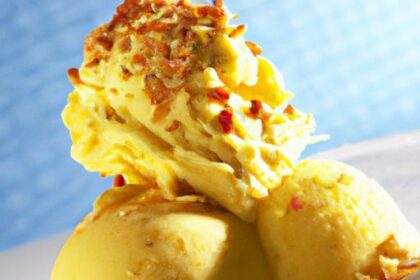



Imagine a dessert that transforms before your eyes-a silky canvas of cream, freshly poured onto a chilling slab, then expertly spread, sliced, and rolled into delicate spirals of sweet delight. Welcome to the captivating world of roll ice cream, where culinary artistry meets scientific precision. “Rolling Delight: The Art and Science of Roll Ice Cream” unravels the story behind this mesmerizing treat, exploring how texture, temperature, and technique combine to create an experience that’s as enjoyable to watch as it is indeed to savor.Join us as we dive into the origins, methods, and flavors that make roll ice cream a delicious masterpiece on every plate.
The Origins and Evolution of Roll Ice Cream: Mastering the Perfect Texture and Flavor Combinations
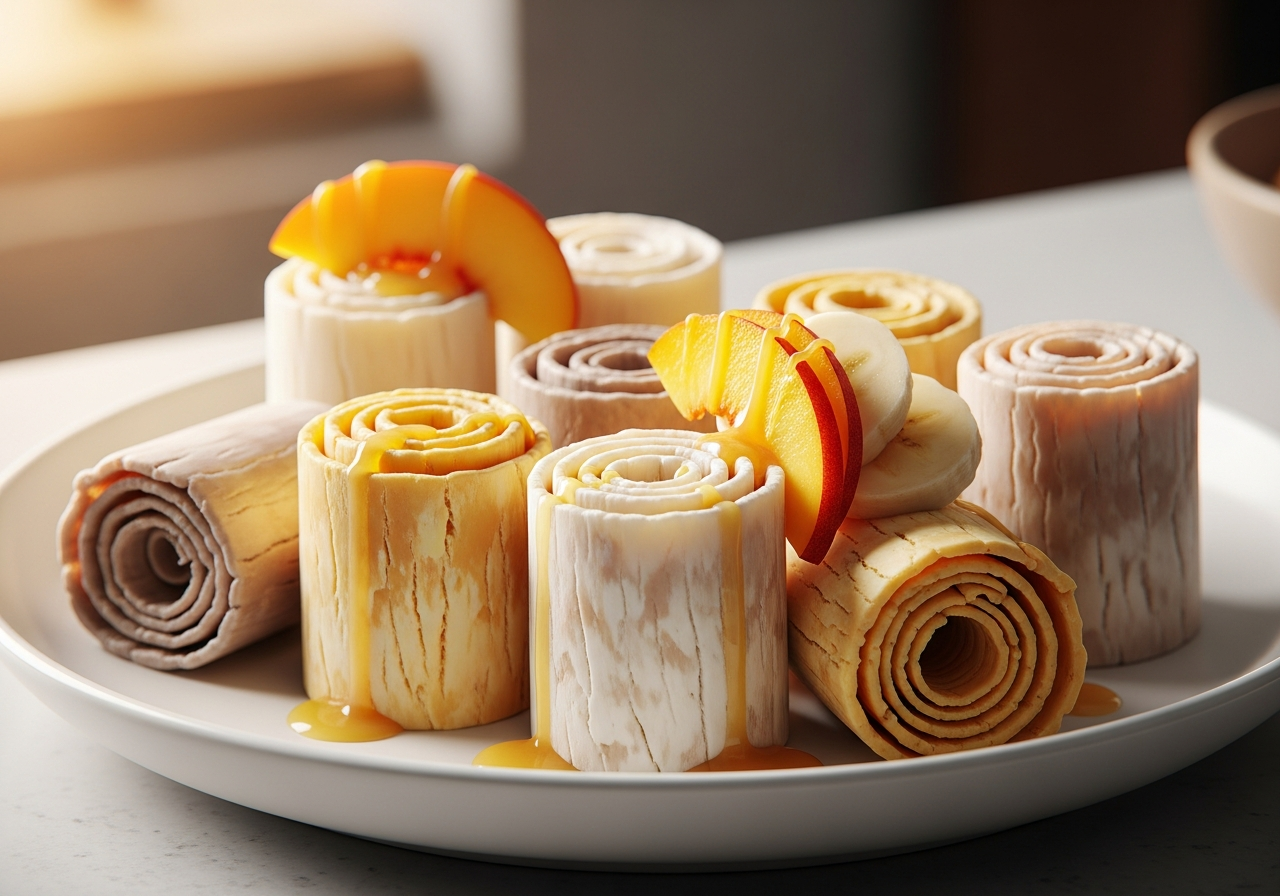
Roll ice cream has captivated dessert lovers worldwide wiht its mesmerizing creation process and irresistible flavors. Emerging from the bustling street markets of Southeast Asia,particularly Thailand,this frozen treat transformed simple ice cream into an interactive experience. The rapid freezing on a chilled steel plate, coupled with rolling techniques, produces uniquely textured, paper-thin ice cream spirals-each bite a perfect blend of creaminess and delicate crunch.
Over the years,roll ice cream has evolved beyond customary vanilla and chocolate bases,delighting enthusiasts with inventive flavor combinations like matcha and lychee,mango chili,or coconut pandan. The artistry lies in achieving the ideal balance between creamy softness and resilient rolls that maintain their shape, making every portion visually stunning and delectably fresh.
Prep and Cook Time
- Preparation Time: 10 minutes
- Freezing & Rolling Time: 15-20 minutes
- Total time: 30 minutes
Yield
Serves 4 individual portions
Difficulty Level
Medium – Requires practice with temperature control and rolling technique
Ingredients
- 1 cup heavy cream (cold)
- 1/2 cup whole milk (cold)
- 1/3 cup granulated sugar
- 1 tsp pure vanilla extract
- pinch of sea salt
- Optional mix-ins: finely chopped fresh fruit,cocoa powder,matcha powder,crushed nuts
Instructions
- Pre-chill your rolling pan at -20°F (-29°C) for at least 4 hours or overnight. The colder, the better for crisp rolls.
- In a chilled mixing bowl, whisk heavy cream, whole milk, sugar, vanilla extract, and sea salt together until sugar dissolves entirely.
- Pour a thin, even layer (about 1/8 inch) of the mixture onto the cold rolling pan.Quickly scatter any desired mix-ins evenly across the surface.
- Using a metal spatula or scraper held at a 45-degree angle, spread and smooth the mixture into a flat, thin layer. Freeze for 1-2 minutes until the edges start firming but the center is still pliable.
- Once set, carefully scrape the ice cream into tight rolls starting from the edge closest to you. Take your time; if it’s too soft, freeze a bit longer, if too hard it will crack.
- transfer rolls vertically into pre-chilled cups. Garnish instantly with fresh fruit, edible flowers, or drizzle sauces like caramel or fruit puree.
Chef’s Notes and Tips for Success
- To achieve a perfect texture, consistency of the base is key-too thick and it won’t spread evenly; too thin and it won’t hold shape when rolling.
- Experiment with creative flavors by infusing the cream with spices like cinnamon or cardamom, or swapping sugar for natural sweeteners like honey or maple syrup.
- If you’re struggling with the rolls sticking or cracking, pause and let the pan restore temperature before your next attempt.
- Make-ahead tip: Prepare and freeze individual base batches to speed up the rolling process for party servings.
Serving Suggestions
For a truly elevated experience, contrast the creamy rolls with crunchy toppings such as toasted coconut flakes, granola, or crushed pistachios. Add vibrant colors with fresh berries, edible gold leaf, or a light dusting of powdered sugar. Serve with a side of fruity coulis or dark chocolate ganache for dipping.
Present the rolls nestled in pastel cups or hand-crafted bowls to mirror the playful artistry of the creation process. Bright paper straws or delicate wafer cookies alongside add an extra textural delight and photo-ready appeal.

Nutritional Information (per serving)
| Nutrient | Amount |
|---|---|
| Calories | 280 |
| protein | 3 g |
| Carbohydrates | 20 g |
| Fat | 20 g |
For further inspiration on frozen desserts and cold treats, explore our detailed guide on Innovative Frozen Dessert Techniques. For scientific insights on freezing and texture, check out this ice cream science article.
Q&A
Q&A: Rolling Delight – The Art and Science of Roll Ice Cream
Q1: What exactly is roll ice cream?
A1: Roll ice cream, often called stir-fried ice cream, is a delightful frozen treat made by pouring a liquid ice cream base onto an ultra-cold metal surface. The mixture is spread thin, allowed to freeze, then expertly scraped into tight rolls. Thes elegant rolls are placed upright in a cup and frequently enough adorned with fresh fruits, nuts, and syrups-a feast both for the eyes and the palate.
Q2: How did roll ice cream originate?
A2: Roll ice cream traces its roots to Southeast Asia, particularly Thailand, where street vendors first popularized the art. What began as a fun and interactive way to make ice cream quickly became a trendy sensation worldwide, admired for its theatrical preparation and customizable flavors.
Q3: What makes roll ice cream different from traditional ice cream?
A3: Unlike traditional ice cream, which is churned in a machine to incorporate air and create creaminess, roll ice cream is made on a chilled metal plate without churning. This method allows for imaginative textures and shapes-especially those signature cylindrical rolls. Plus, the process happens right in front of the customer, adding an element of performance to every order.
Q4: What are the key ingredients in roll ice cream?
A4: The foundation is a simple, liquid ice cream base, usually a blend of cream, milk, sugar, and flavorings. From there, the possibilities are endless-fresh fruits like mango and berries, nuts, chocolate chips, matcha powder, or even edible flowers to add flair. the cold plate instantly freezes the mixture, transforming these ingredients into a creamy, smooth delight.
Q5: Is the freezing process chemically different from regular ice cream?
A5: While both frozen treats rely on low temperatures, roll ice cream freezes almost instantaneously on the chilled plate. This rapid freezing minimizes ice crystal formation, which can yield a smoother mouthfeel with less graininess. The rapid freeze also locks in the vibrant colors and fresh flavors of mix-ins better then some traditional methods.
Q6: How do artisans create those perfect rolls?
A6: Skill and timing are everything. After spreading the base thin and incorporating chosen add-ins, the artisan waits for the mixture to firm up just enough to roll without breaking. Using a spatula at a specific angle, the ice cream is scraped carefully into tight rolls. This requires a practiced hand, as over-freezing or under-freezing can ruin the texture or shape.
Q7: Can roll ice cream be made vegan or dairy-free?
A7: Absolutely! Many shops and home-makers use coconut milk, almond milk, or oat milk bases to craft roll ice cream without dairy. With the right balance of fats and sugars to mimic creaminess, these versions still achieve that silky, smooth texture. Vegan toppings like fresh fruits and nuts complete the experience beautifully.
Q8: What role does presentation play in roll ice cream?
A8: Presentation is crucial-it’s part of the magic. The vertical rolls arranged neatly in a cup invite instagram-worthy moments, while colorful toppings add texture and appeal. The performance of watching your dessert being made on the spot builds anticipation, turning a simple treat into a memorable event.
Q9: Are there seasonal or regional flavor trends in roll ice cream?
A9: Like all culinary arts, roll ice cream evolves with the seasons and local tastes. tropical fruits shine in warmer climates, while spiced pumpkin or caramel flavors dominate autumn menus. Globally inspired ingredients like matcha in japan or ube in the Philippines bring unique twists, showcasing cultural creativity.
Q10: How can someone try making roll ice cream at home?
A10: While commercial cold plates require specialized equipment, home enthusiasts can mimic the process using a frozen metal baking sheet or a large, flat pan chilled in the freezer. Pour in the base, quickly spread and mix in ingredients, then scrape the ice cream off before it freezes too hard. It’s a thrilling, hands-on way to enjoy the art-and science-of roll ice cream right in your kitchen!
Insights and Conclusions
As the final swirl of rolled ice cream graces your spoon, it’s clear that this frozen treat is much more than just a dessert-it’s a harmonious blend of creativity, precision, and science. From the meticulous pouring of the liquid base onto the frosted steel to the expert rolling that transforms it into delicate spirals, every step embodies a perfect dance between art and technology. Whether you savor the playful textures or marvel at the vibrant toppings, rolling ice cream invites us to appreciate the intricate craftsmanship behind something so delightfully simple. So next time you indulge in a cold, creamy roll, remember: you’re tasting a masterpiece shaped by both passion and the fascinating physics of frozen alchemy.