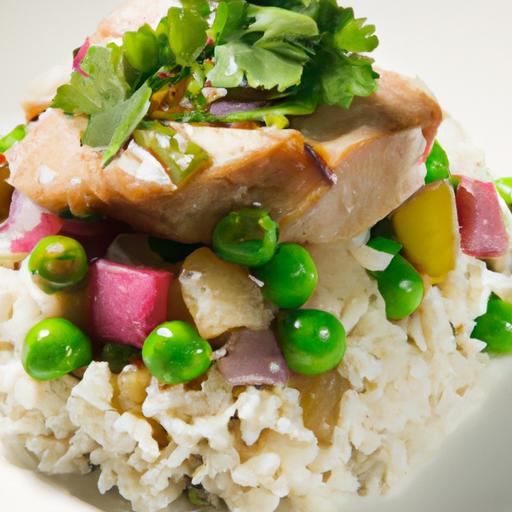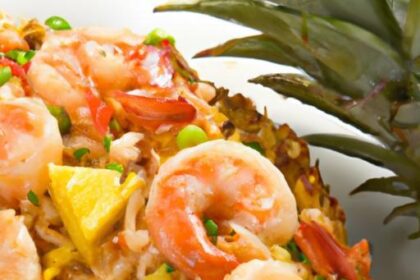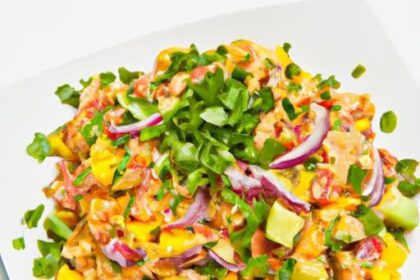



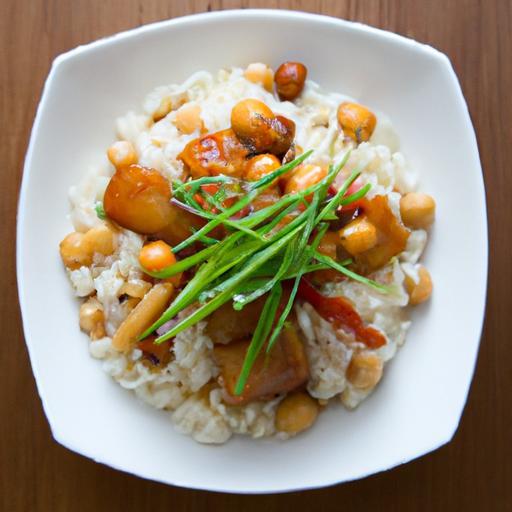
In kitchens around the world, humble rice bowls tell stories far richer than their simple appearance suggests. From the steaming jaunts of Asia too the vibrant fusion plates of the Americas, rice bowls have quietly woven themselves into the vrey fabric of global cuisine. They are more than just a convenient meal; they are edible canvases showcasing culture, history, and innovation in one compact, satisfying dish. Join us as we uncover the interesting journey of rice bowls-exploring their origins, regional twists, and the creative reinventions that continue to make them a beloved staple on tables everywhere.
Origins and Cultural Meaning of Rice Bowls Around the World
Rice bowls uncovered serve as a fascinating lens into global culinary traditions, reflecting both the history and daily lives of diverse cultures. The humble rice bowl, ubiquitously cherished from the busy streets of Tokyo to the vibrant markets of Mexico City, transcends its simple base ingredient to become a canvas for regional flavors, ingredient stories, and age-old techniques. It’s a dish that carries more than nourishment; it embodies community, resourcefulness, and creativity.
from Japan’s meticulous donburi to Korea’s bibimbap, Thailand’s khao pad, and Mexico’s arroz a la mexicana, rice bowls are as varied in form as they are rich in flavor. They perfectly illustrate how staple ingredients adapt through time and space, embracing unique cultural preferences and local produce.
Exploring Regional Variations and Flavor Profiles in rice Bowl Dishes
Each region’s rice bowl boasts a distinct flavor profile shaped by indigenous ingredients and culinary philosophies. In Japan, for example, short-grain sushi rice is often paired with fresh seafood, soy-based sauces, and wasabi for a delicate umami experience. Korean bibimbap, on the other hand, layers warm white rice with sautéed vegetables, chili paste (gochujang), and a perfectly fried egg-stirred together to deliver a spicy, robust, and harmonious flavor.
South Asia’s biryanis introduce aromatic basmati rice enveloped in spices such as cardamom and saffron, while Southeast Asia’s rice bowls often boast a balance of sweet, sour, salty, and spicy elements with ingredients like fish sauce, lime, and fresh herbs. Central and South American rice bowls incorporate beans, grilled vegetables, and bold salsas that impart warmth and zest.
Essential Ingredients and Techniques for Crafting Authentic Rice Bowls
The cornerstone of any extraordinary rice bowl lies in its rice itself. Selecting the proper rice type-be it sticky,fluffy,or fragrant-sets the dish’s foundation. Mastering perfect rice cooking techniques ensures texture harmony,whether using stovetop absorption methods,rice cookers,or steaming.
Layering with complementary proteins and vegetables enhances both nutrition and flavor. marinades, pickling, and rustic sauces add depth, while precise cooking methods such as sautéing, roasting, or poaching allow the main components to shine.
Innovative Twists and Expert Tips to Elevate Your Rice Bowl Experience
To take your rice bowls uncovered beyond tradition, consider creative ingredient swaps-try quinoa or cauliflower rice for a modern healthy twist. Incorporate seasonal produce or global condiments like chimichurri, harissa, or tahini to introduce unexpected notes.
For texture contrast, add toasted nuts, crispy shallots, or pickled vegetables. Garnishing with microgreens, fresh herbs, or sesame seeds not only beautifies your bowl but also adds aromatic layers.
Classic Rice Bowl Recipe to Get You Started
Prep and Cook time: 15 minutes prep, 25 minutes cook
Yield: Serves 4
Difficulty Level: Medium
Ingredients
- 2 cups jasmine rice, rinsed thoroughly
- 3 cups water
- 1 tbsp vegetable oil
- 1 medium red bell pepper, sliced thinly
- 1 medium zucchini, diced
- 1 cup baby spinach
- 1 cup cooked shredded chicken (or tofu for vegetarian)
- 2 cloves garlic, minced
- 2 tbsp soy sauce
- 1 tbsp toasted sesame oil
- 1 tsp freshly grated ginger
- 2 large eggs
- 1 tbsp sesame seeds, toasted
- 2 green onions, sliced diagonally for garnish
- Optional: Sriracha or chili flakes for heat
Instructions
- Cook the rice: in a medium pot, combine rinsed jasmine rice and water.Bring to a boil,then reduce heat to low,cover tightly,and simmer 15 minutes until water is absorbed and rice is tender. Remove from heat, let steam covered for 10 minutes.
- Sauté the vegetables: Heat vegetable oil in a large skillet over medium heat. Add garlic and ginger,cooking until fragrant (~30 seconds). Add bell pepper and zucchini, sauté until crisp-tender, about 5 minutes. Toss in baby spinach and cook until just wilted.Remove vegetables and set aside.
- Cook the protein: In the same skillet, add shredded cooked chicken or tofu and drizzle with soy sauce. Heat through for 3 minutes, coating evenly.
- Prepare eggs: In a separate pan, cook eggs sunny-side up or to your liking. For extra flavor, sprinkle with sesame oil before removing.
- Assemble your rice bowls: Fluff the rice with a fork and divide evenly between four bowls. Layer sautéed vegetables and chicken/tofu on top. Place an egg on each bowl.
- Garnish and finish: Drizzle with toasted sesame oil, sprinkle sesame seeds, and scatter sliced green onions. Add sriracha or chili flakes if desired for a spicy kick.
Chef’s Notes
- For a vegan option, substitute eggs with pan-fried tempeh or avocado slices.
- Use basmati or short-grain rice if preferred to vary texture and flavor.
- Make-ahead tip: Cook the rice and protein in advance; simply reheat and sauté fresh vegetables to maintain crispness.
- Experiment with flavor sauces like miso glaze, peanut sauce, or hoisin to customize your bowl.
Serving Suggestions
This dish shines on its own but pairs beautifully with a crisp cucumber salad or a side of pickled radish. Serve on vibrant ceramic bowls for visual appeal, and offer small dipping dishes with extra soy or hot sauce alongside. Fresh lime wedges add a lively citrus burst when squeezed over.
| Nutrient | Per Serving |
|---|---|
| Calories | 420 kcal |
| Protein | 28 g |
| Carbohydrates | 55 g |
| Fat | 9 g |

Discover more nourishing bowl recipes like our Grain Bowls Collection or explore the rich food history at Encyclopedia Britannica.
Q&A
Q&A: Rice Bowls Uncovered – A Global culinary Staple Explored
Q1: What makes rice bowls such a beloved dish around the world?
A: rice bowls are a culinary marvel because they serve as a perfect canvas for endless creativity. Their foundation-steaming, fluffy rice-acts as a comforting base that absorbs the flavors of diverse toppings, sauces, and spices. Across cultures, rice bowls are celebrated for their versatility, affordability, and balance of textures and nutrients, making them a go-to meal from bustling street markets to high-end kitchens.
Q2: How do rice bowls reflect the cultural identity of different regions?
A: Each rice bowl tells a story unique to its place of origin. As an example, Japan’s donburi bowls often focus on simplicity and umami, with toppings like fresh seafood or tender grilled chicken. In contrast, a vibrant Indian biryani bowl bursts with fragrant spices and colorful vegetables. The ingredients, preparation style, and presentation of rice bowls mirror the local traditions, climate, and available produce, providing a delicious window into regional heritage.
Q3: What are some iconic rice bowl variations from around the globe?
A: The globe boasts countless iconic rice bowls: Thai khao rad gaeng features a bed of rice crowned with spicy curries and stir-fries, Vietnamese cơm tấm showcases broken rice with grilled meats and pickled vegetables, and Mexican arroz a la cazuela combines rice with beans, vegetables, and smoky chilies. Each variation brings distinct textures and flavors, yet they all share the global appeal of a hearty, satisfying one-bowl meal.
Q4: Can rice bowls be adapted for different dietary preferences and needs?
A: Absolutely! Rice bowls are inherently flexible.Vegetarian and vegan rice bowls can be vibrant and protein-packed with ingredients like tofu, legumes, mushrooms, and an array of fresh vegetables. Gluten-free and paleo-friendly rice bowls can be crafted by choosing the right grains and toppings. This adaptability makes rice bowls a nourishing option for diverse palates and lifestyles.Q5: What role do sauces and spices play in elevating rice bowls?
A: Sauces and spices are the soul of rice bowls. They add layers of complexity-from the tangy brightness of a zesty lime dressing to the deep umami of soy-based sauces or the fiery kick of chili pastes. Spices evoke memories and moods, guiding the diner through rich aromatic journeys.Without these flavor agents, rice bowls would lose much of their distinctive personalities.
Q6: How has the concept of rice bowls evolved in modern culinary scenes?
A: In today’s globalized food culture,rice bowls have undergone exciting reinterpretations. Chefs experiment by fusing different culinary traditions, creating hybrid bowls that marry unexpected ingredients and techniques-think Korean bibimbap meets Mediterranean mezze, or Japanese chirashi with a Peruvian twist. This evolution celebrates rice bowls not only as comfort food but as platforms for innovation and cross-cultural dialog.
Q7: What tips can home cooks follow to create the perfect rice bowl?
A: Start with cooking rice that’s fluffy and cohesive-different varieties suit different dishes, so choose long grain, short grain, or aromatic rice accordingly. balance the bowl’s components: pair rich, savory elements with fresh, crisp vegetables; add textures like crunchy nuts or seeds for contrast; and finish with a thoughtfully blended sauce or garnish to tie flavors together. Most importantly, let creativity guide you-rice bowls invite experimentation and personal touches.
Q8: Why dose the humble rice bowl remain relevant in today’s fast-paced world?
A: Because it’s the ultimate fusion of convenience, nourishment, and satisfaction. Rice bowls can be prepped quickly or leisurely, served hot or cold, and packed with everything needed for a complete meal in a single bowl. Their adaptability ensures they meet modern demands for health, flavor, and efficiency, embodying timeless culinary wisdom in every bite.
With rice bowls, the world’s kitchens invite us to explore, savor, and connect-one spoonful at a time.
Wrapping Up
From the bustling street markets of bangkok to the serene countryside kitchens of Italy, rice bowls embody more than just a meal-they are a canvas of culture, history, and community. As we’ve uncovered the many layers of this global staple, it’s clear that each bowl tells its own story, blending flavors and traditions that span continents and generations. Whether served humble or adorned with lavish ingredients, rice bowls remain a steadfast symbol of nourishment and connection worldwide. So next time you sit down with a bowl of steaming rice, remember: you’re not just enjoying a dish-you’re savoring a universal heritage that continues to bring people together, one grain at a time.