


In a world where health-conscious choices frequently enough clash with the desire for bold flavors, quinoa pilaf emerges as a culinary hero-effortlessly bridging the gap between nourishment and taste. This ancient grain, revered for its rich protein content and vibrant texture, transforms simple ingredients into a symphony of colors, aromas, and nutrients. Welcome to the art of quinoa pilaf magic, where wholesome meets flavorful, and every bite tells a story of tradition, innovation, and wholesome indulgence. Join us as we explore how to craft this versatile dish that not only fuels the body but also delights the palate, turning everyday meals into extraordinary experiences.
Choosing the Perfect Quinoa Variety for Ultimate Flavor and Texture
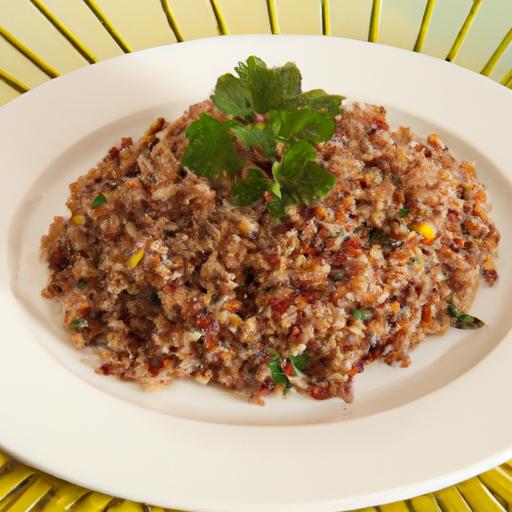
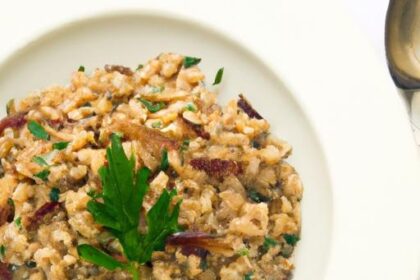
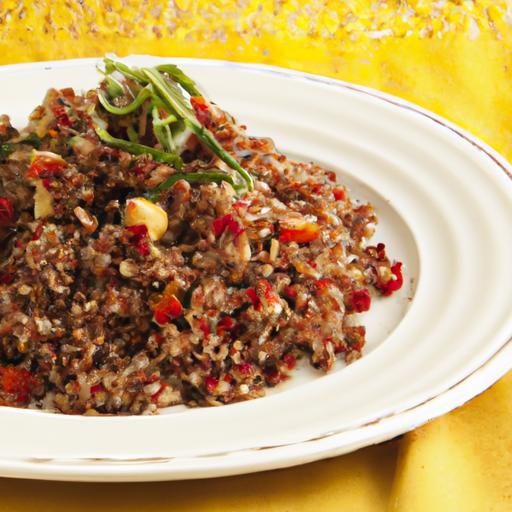
Nutritious & flavorful quinoa pilaf begins with selecting the ideal quinoa variety-a foundational step that shapes the dish’s character. Whether you opt for the classic white quinoa known for its delicate nuttiness and fluffy texture, or the earthier red and black quinoa, which bring a chewier bite and vibrant hues, your pilaf will come alive with personality. Combining these varieties creates a mosaic of colors and depths of flavor that captivate both the eye and palate.
White quinoa offers a light, subtly sweet profile that absorbs seasonings beautifully, making it a perfect canvas. Red quinoa holds its shape remarkably well, adding a satisfying crunch, excellent for robust pilafs paired with hearty root vegetables or bold herbs. Black quinoa is the most flavorful, boasting a slightly sweet, almost molasses-like undertone. Experimenting with these types-or blending them-allows you to tailor your pilaf’s texture and taste, guiding it from delicate and fluffy to rich and earthy.
Mastering the Art of Seasoning to Elevate Your Quinoa Pilaf
Seasoning is where your nutritious & flavorful quinoa pilaf truly transforms. Start by toasting your quinoa lightly in a drizzle of extra-virgin olive oil and a pinch of kosher salt before cooking to unlock its nutty aroma. Use a well-balanced broth instead of plain water-vegetable or mushroom broth adds layers of umami that meld with your aromatic additions.
Incorporate classic aromatics like finely minced garlic, diced shallots, and freshly ground black pepper. Elevate complexity with warm spices such as cumin, coriander, or smoked paprika, which lend an earthy warmth that complements quinoa’s natural flavor. A squeeze of fresh lemon juice or a splash of high-quality apple cider vinegar brightens the pilaf just before serving, ensuring every bite bursts with lively, vibrant notes.
Don’t underestimate the power of fresh herbs-cilantro, parsley, dill, and mint each add refreshing contrasts that plan essential roles in rounding out your dish’s flavor profile.
Incorporating Vibrant Vegetables and Herbs for Nutritional Boosts
Integrating colorful, nutrient-dense vegetables elevates both the health benefits and the visual appeal of your nutritious & flavorful quinoa pilaf. Think jewel-like diced red bell peppers, tender steamed broccoli florets, sweet pearl carrots, and bright green peas-all of which provide delightful textures and a spectrum of vitamins.Sautéing or roasting these vegetables before folding them in creates caramelized edges that add depth and richness.
Fresh herbs are your finishing touch: tear fragrant basil leaves, snip crisp chives, or toss in a handful of bright chopped scallions. These not only add bursts of freshness and subtle flavors but also contribute antioxidants and phytonutrients-a true culinary multivitamin. For extra zest, add toasted nuts or seeds such as slivered almonds, pumpkin seeds, or pine nuts for crunch and a dose of healthy fats.
Creative Pairings and Serving Suggestions to Impress Every palate
Your nutritious & flavorful quinoa pilaf is stunning served as a main or side that pairs effortlessly with diverse proteins and dishes. Present it alongside grilled lemon-herb chicken, spiced chickpea patties, or even simply drizzled with a vibrant tahini sauce for a Middle Eastern flair. Garnish with edible flowers or microgreens for an impressive visual-each element speaks to freshness and sophistication.
For a light lunch, scoop it into crisp lettuce cups or stuff colorful bell peppers. Alternatively, serve warm in a rustic bowl with a dollop of creamy avocado or Greek yogurt and sprinkle with za’atar or sumac.This layers additional texture and tang, inviting every bite to be a festivity of flavor and nourishment.
Ultimately, this quinoa pilaf is your blank canvas-adapt it seasonally, culturally, and creatively with these tips to wow friends and family alike.
Prep and Cook Time
- Preparation: 15 minutes
- Cooking: 20-25 minutes
Yield
serves 4 generously
Difficulty Level
Easy to Medium – perfect for home cooks ready to elevate everyday grains into remarkable dishes
Ingredients
- 1 cup quinoa (white, red, or a mixed variety), rinsed thoroughly
- 2 cups vegetable broth (low sodium)
- 1 small shallot, finely diced
- 2 cloves garlic, minced
- 1/2 cup diced red bell pepper
- 1/2 cup steamed broccoli florets
- 1/3 cup sliced carrots, lightly sautéed
- 1/4 cup fresh parsley, chopped
- 2 tablespoons extra virgin olive oil
- 1 teaspoon ground cumin
- 1/2 teaspoon smoked paprika
- Salt and pepper, to taste
- Juice of 1 lemon
- Optional garnish: toasted slivered almonds, microgreens, or edible flowers
Instructions
- Toast the quinoa: In a medium saucepan, heat 1 tablespoon olive oil over medium heat. Add quinoa and toast, stirring frequently, until fragrant and slightly golden, about 3-4 minutes.
- Sauté aromatics: In a separate pan, heat remaining olive oil.Add diced shallot and garlic, cooking until translucent and aromatic, about 3 minutes.
- Add spices: Stir in cumin and smoked paprika, toasting for 30 seconds to bloom their flavor.
- cook quinoa: Transfer toasted quinoa to the pan with aromatics and spices. Pour in vegetable broth, bring to a boil, then reduce to simmer, cover, and cook until quinoa is tender and liquid absorbed, about 15 minutes.
- Prepare vegetables: While quinoa cooks, steam broccoli and lightly sauté carrots and red bell pepper until tender-crisp.
- Combine and rest: Remove quinoa from heat, fluff with fork, then gently fold in steamed and sautéed vegetables and fresh parsley.
- Finish with brightness: Season with salt, pepper, and lemon juice to taste. Adjust seasoning for balance.
- serve: Transfer to a serving dish, garnish with toasted almonds and microgreens for texture, color, and crunch.
chef’s Notes: Tips for Success
- Rinse quinoa thoroughly in a fine mesh sieve to remove natural saponins that can cause bitterness.
- For added depth, cook quinoa in a flavorful broth or infuse with a bay leaf or dried herbs during simmering.
- Customize your veggies: Seasonal choices like roasted sweet potatoes,sautéed zucchini,or asparagus work beautifully.
- Leftovers taste even better the next day as flavors marry; reheat gently with a splash of broth or water to retain moisture.
- For a protein boost, stir in cooked chickpeas or toasted pine nuts before serving.
Serving suggestions
Elevate your presentation by serving quinoa pilaf warm in handcrafted ceramic bowls, peppered with vibrant garnishes. Pair with crisp salads or light grilled proteins such as lemon-herb chicken or spiced chickpea patties.A drizzle of creamy tahini or a dollop of Greek yogurt adds lusciousness, while fresh microgreens or edible flowers bring elegance and visual intrigue. This dish shines equally as a side or a satisfying vegetarian main, perfect for everyday meals or special gatherings.
| Nutrient | Per Serving |
|---|---|
| Calories | 280 kcal |
| Protein | 8 g |
| Carbohydrates | 40 g |
| Fat | 7 g |

Discover more wholesome grain recipes in our Healthy Grain Bowls Collection, or explore quinoa’s powerful benefits through this expert nutritional guide on Healthline.
Q&A
Q&A: Nutritious & Flavorful: The Art of Quinoa Pilaf Magic
Q1: What makes quinoa pilaf a standout dish in both nutrition and flavor?
A1: Quinoa pilaf combines the unique nuttiness and fluffy texture of quinoa with a vibrant mix of vegetables, herbs, and spices. This blend enhances its naturally protein-packed, gluten-free grain, creating a dish that’s not only nourishing but bursting with layers of taste-making it a feast for the body and palate.Q2: How can I achieve the perfect fluffy quinoa for pilaf?
A2: Rinsing quinoa thoroughly under cold water removes its natural coating called saponin, which can taste bitter. Using a 2:1 water-to-quinoa ratio, bringing it to a boil, then simmering gently with the lid on for about 15 minutes ensures tender, fluffy grains perfect for pilaf’s base.Q3: Which vegetables work best in a quinoa pilaf, and why?
A3: Root veggies like carrots and sweet potatoes add earthy sweetness, while bell peppers and zucchini contribute crunch and vibrant color.Onions and garlic provide aromatic depth, and peas or spinach introduce freshness. The key is balancing textures and flavors-soft, sweet, crunchy, and savory.
Q4: Can herbs and spices really transform quinoa pilaf?
A4: Absolutely! Herbs like parsley, cilantro, or thyme bring brightness, while spices such as cumin, coriander, turmeric, or smoked paprika inject warmth and complexity. These elements turn a simple grain dish into a dynamic flavor experiance, reflecting diverse culinary traditions.
Q5: What cooking oils or fats enhance the flavor of quinoa pilaf without overpowering it?
A5: Light oils like extra-virgin olive oil or avocado oil provide a smooth, fruity backdrop. Toasting the quinoa briefly in oil before adding liquid can unlock a deeper nuttiness. For a touch of richness, a small knob of ghee or clarified butter adds subtle creaminess without overwhelming the dish.
Q6: How can I make quinoa pilaf a satisfying main course rather than a side?
A6: Incorporate protein-rich ingredients like chickpeas, lentils, or sautéed mushrooms to amp up heartiness. Roasted nuts or seeds add crunch and healthy fats. Pairing with vibrant greens and a zesty dressing rounds out the dish for a well-balanced, complete meal.
Q7: Is quinoa pilaf suitable for special dietary needs?
A7: Yes! Quinoa is naturally gluten-free, high in protein, and contains all nine essential amino acids. it’s great for vegetarian, vegan, and gluten-sensitive diets. Adjusting vegetables and seasonings allows easy customization for allergies, sensitivities, or personal preferences.
Q8: Any tips for storing and reheating quinoa pilaf to maintain its flavor and texture?
A8: Cool quinoa pilaf quickly and store it in an airtight container in the fridge for up to 4 days. Reheat gently in a skillet with a splash of vegetable broth or water to revive moisture. Fresh herbs can be added after reheating to refresh aroma and brightness.
Q9: How can I get creative with quinoa pilaf beyond the conventional preparation?
A9: Experiment with global spice blends-try za’atar from the Middle East, garam masala from India, or smoked chili powders from Mexico. Add roasted seasonal vegetables or stir in citrus zest and toasted nuts for unique twists. Quinoa pilaf is a versatile canvas for culinary imagination.
Q10: What’s a simple, foolproof recipe to start mastering quinoa pilaf magic?
A10: Begin by toasting rinsed quinoa in olive oil with diced onions and garlic until fragrant. Add vegetable broth, bring to a boil, then simmer covered for 15 minutes. Stir in sautéed bell peppers, peas, fresh parsley, a pinch of cumin, and a squeeze of lemon juice. Season with salt and pepper, then enjoy a colorful, nourishing bowl of quinoa pilaf brilliance!
Concluding remarks
As we’ve uncovered, quinoa pilaf is much more than a simple side dish-it’s a vibrant canvas where nutrition meets flavor in perfect harmony. With its nutty undertones and adaptable nature, quinoa invites endless creativity, transforming humble ingredients into a memorable culinary experience. Whether you’re seeking a wholesome weeknight meal or an impressive centerpiece for your next gathering, mastering the art of quinoa pilaf opens the door to a world where health and taste coexist effortlessly. So don your apron, embrace the magic of quinoa, and let each flavorful bite nourish not just your body, but also your love for cooking.