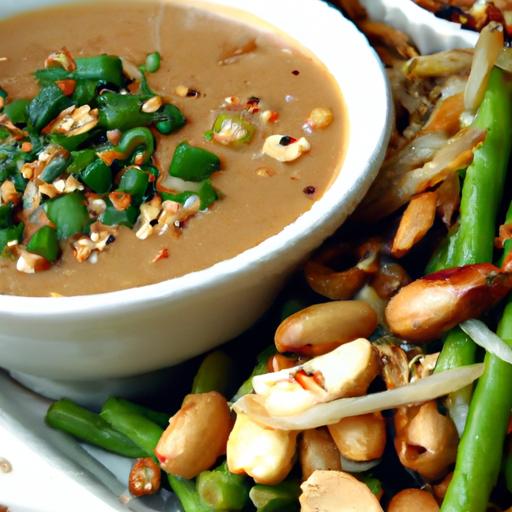

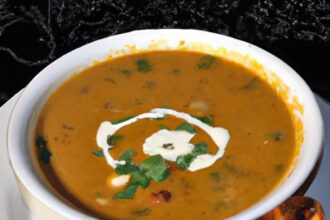

There’s something irresistibly magnetic about peanut satay sauce-a luscious blend that dances on the palate with its perfect harmony of creamy, nutty richness and subtle spice. More than just a dip, this flavorful concoction embodies a vibrant cultural legacy, weaving together the warmth of roasted peanuts, fragrant spices, and a touch of sweetness into every velvety spoonful.Whether drizzled over grilled skewers, swirled into salads, or used as a savory companion for fresh vegetables, peanut satay sauce elevates simple dishes into culinary experiences brimming with rich, nutty bliss. Join us as we dive into the origins, ingredients, and versatile uses of this beloved sauce that continues to captivate taste buds around the world.
Peanut satay sauce is a culinary treasure that stems from the vibrant street food culture of Southeast Asia, where it serves as the quintessential accompaniment for grilled skewers and snacks. Originally popularized in Indonesia and Malaysia, this luscious sauce embodies a cultural tapestry of rich, nutty bliss paired with an enticing interplay of creamy and spicy notes. My introduction to peanut satay sauce was during a bustling night market visit, where the aroma of smoky grilled chicken melded with the warm sweetness of roasted peanuts, igniting a lifelong passion for crafting this flavorful dip at home.
Prep and Cook Time
- Planning: 10 minutes
- Cooking: 15 minutes
- Total Time: 25 minutes
Yield
Approximately 1 ½ cups of peanut satay sauce, perfect for 6 servings as a dip or drizzle.
Difficulty Level
Easy – accessible for beginner cooks yet rewarding enough for seasoned chefs.
Top Ingredients to Elevate Your Peanut Satay Experience
- roasted peanut butter (smooth or chunky) – forms the rich, nutty base
- Coconut milk – adds a silky creaminess that tempers the heat
- Fresh lime juice – brightens with a refreshing citrus tang
- Garlic and shallots – infused flavors that deepen the sauce’s complexity
- Fresh ginger – delivers a subtle warmth and aroma
- Sweet soy sauce (kecap manis) – introduces a molasses-like sweetness to balance spice
- Chili flakes or fresh red chilies – to taste, for a punch of heat
- Palm sugar or brown sugar – to finish, enhancing caramel notes
- Water or vegetable broth – adjust consistency as needed
Step-by-Step Instructions for Creating Peanut Satay Sauce
- Sauté aromatics: In a medium saucepan over medium heat, gently cook 2 minced garlic cloves, 1 finely chopped shallot, and 1 teaspoon freshly grated ginger in 1 tablespoon vegetable oil until fragrant and translucent, about 3 minutes.
- Add liquids: Stir in ¾ cup coconut milk and ¼ cup water or vegetable broth. Simmer gently for 2 minutes to meld flavors.
- Incorporate peanut butter: Whisk in ½ cup roasted peanut butter until smooth and creamy, adjusting heat to low to prevent burning.
- Season sauce: Mix in 2 tablespoons sweet soy sauce (kecap manis), 1 tablespoon lime juice, 1 tablespoon palm sugar (or brown sugar), and chili flakes to taste. Simmer for another 5 minutes, stirring occasionally to thicken.
- Adjust consistency: If the sauce is too thick, gradually add water or coconut milk until desired creaminess is reached. Taste and adjust seasoning – more lime for brightness,sugar for sweetness,or chili for heat.
- Serve warm or room temperature: Transfer to a serving bowl or jar. The sauce can be chilled and reheated gently before serving.
Chef’s Notes & Tips for Success
- Use natural peanut butter: Unsweetened, natural-style peanut butter with no added oils or salt ensures a more authentic, rich flavour.
- Control your heat: Customize spice level with fresh bird’s eye chilies or milder chili flakes to suit your palate.
- Make-ahead friendly: This sauce stores well in the fridge for up to 5 days. stir before serving and add a splash of coconut milk if it thickens considerably.
- Vegan adjustment: Stick to vegetable broth and coconut sugar to keep the sauce entirely plant-based.
- Substitution advice: If sweet soy sauce isn’t available, balance regular soy sauce with a teaspoon of molasses or brown sugar.
Serving Suggestions and Pairing Ideas for Every occasion
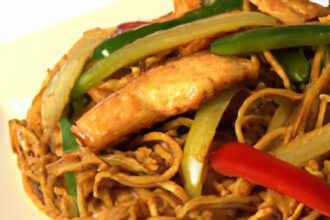
Peanut satay sauce is incredibly versatile – feel free to dip skewers of grilled chicken, beef alternatives, tofu, or vegetable sticks. It’s equally delightful drizzled over rice noodle bowls or roasted sweet potatoes. Garnish with chopped roasted peanuts, fresh cilantro leaves, and thin slices of red chili for a visually stunning presentation.
For an elevated appetizer, pair your peanut satay sauce with crispy spring rolls or fresh rice paper rolls-adding that satisfying nutty dimension to each bite. On casual nights, use it as a sandwich spread or a salad dressing base, creating a mouthwatering fusion of textures and tastes.

| nutrient | Amount per 2 tbsp |
|---|---|
| calories | 110 |
| Protein | 4g |
| Carbohydrates | 6g |
| Fat | 9g |
For more ideas on crafting delicious Asian-inspired sauces, check out our guide on how to make authentic Thai peanut sauce. To deepen your understanding of Southeast Asian cuisine, explore this Comprehensive Britannica article on Satay.
Q&A
Q&A: Peanut Satay Sauce – A Flavorful Dip with Rich, Nutty Bliss
Q1: What exactly is peanut satay sauce?
A1: Peanut satay sauce is a creamy, flavorful condiment made primarily from ground peanuts combined with a mix of aromatic spices, coconut milk, and tangy accents like lime or tamarind. Originating from Southeast Asia, it’s renowned for its rich, nutty taste that perfectly balances sweet, salty, and spicy notes.
Q2: Wich dishes pair best with peanut satay sauce?
A2: This versatile sauce complements grilled vegetables,tofu skewers,chicken,and seafood marvelously. It’s also fantastic as a dipping sauce for spring rolls, drizzled over rice bowls, or tossed with noodles for an extra burst of flavor.
Q3: What key ingredients give peanut satay sauce its distinctive flavor?
A3: The core of peanut satay sauce is roasted peanuts or peanut butter,combined with garlic,ginger,chili peppers,and often a splash of coconut milk or water to create the perfect creamy consistency. Lime juice or tamarind paste adds a hint of tartness, while a touch of brown sugar or palm sugar brings subtle sweetness.
Q4: Can peanut satay sauce be made gluten-free and vegan?
A4: Absolutely! Simply use tamari or coconut aminos rather of soy sauce to keep it gluten-free, and opt for natural peanut butter with no added dairy or animal products to ensure it’s vegan. Its naturally plant-based ingredients make it easy to adapt for various dietary preferences.
Q5: How can homemade peanut satay sauce be stored for later use?
A5: Homemade peanut satay sauce can be stored in an airtight container in the refrigerator for up to a week. Give it a good stir before serving,as natural separation can occur. For longer storage, consider freezing in small portions-just thaw and stir when needed.
Q6: What makes peanut satay sauce so universally loved?
A6: Its magnetic appeal lies in the harmony of textures and flavors-creamy and crunchy, sweet and spicy, nutty and tangy-all in one spoonful. It adds an irresistible dimension to even the simplest dishes, inviting eaters to savor every bite with joy.Q7: Is peanut satay sauce spicy,and can the heat be adjusted?
A7: The heat level varies depending on the recipe and personal taste. Customary versions include fresh or dried chili peppers for a mild to moderate kick, but you can easily adjust the spice by reducing or increasing the amount of chili, or by using milder peppers to suit your palate.
Q8: Are there any unexpected uses for peanut satay sauce beyond dipping?
A8: Definitely! Besides being a dip or topping, peanut satay sauce shines as a marinade, a salad dressing base, or even mixed into creamy soups and stews for a nutty depth. Sprinkling crushed peanuts on top adds an extra layer of texture and nuttiness.
Q9: What cultural significance does peanut satay sauce have?
A9: Rooted in Indonesian and Malaysian culinary traditions, satay and its accompanying peanut sauce represent communal eating and celebration. It’s frequently enough enjoyed during festive gatherings, street food fairs, and family meals-a delicious symbol of warmth and togetherness.
Q10: Can other nuts be substituted for peanuts in satay sauce?
A10: While peanuts lend that classic flavor and texture,you can experiment with cashews or almonds for a twist. However, these alternatives will alter the traditional taste and consistency, so start with small batches to find your perfect balance.
Dive into the creamy world of peanut satay sauce and let your taste buds revel in its rich, nutty bliss!
Wrapping Up
In the tapestry of global cuisines, Peanut satay Sauce stands out as a luscious thread woven with rich, nutty bliss and vibrant flavors. Whether drizzled over succulent grilled meats, dipped alongside fresh vegetables, or swirled into noodles, this sauce transforms simple ingredients into an unforgettable taste experience. Embracing its humble origins and versatile nature, Peanut Satay invites both novice cooks and seasoned food lovers to explore a world where creamy texture meets bold, aromatic spices. So next time you crave a dip that’s equal parts comforting and adventurous, reach for that bowl of satay sauce-and savor every flavorful moment it brings to your table.