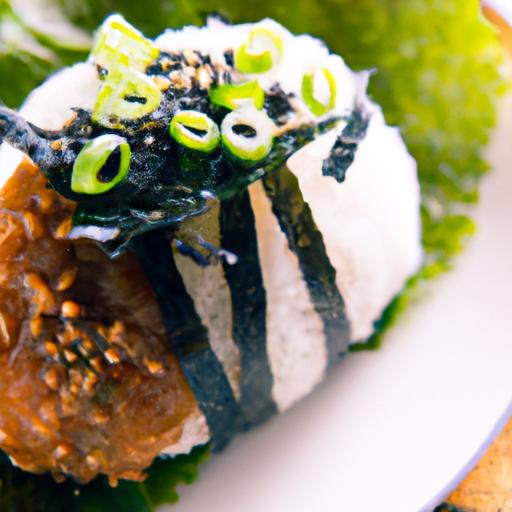





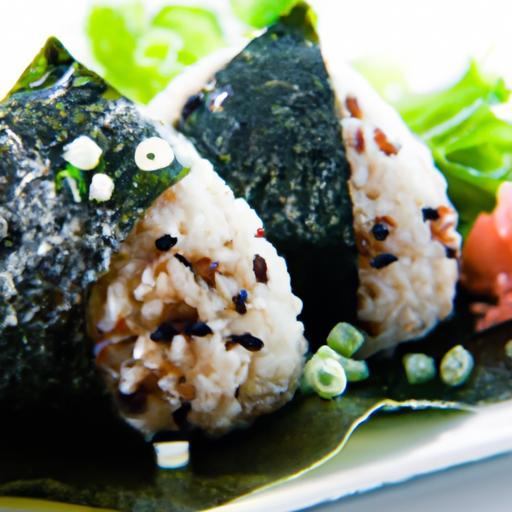
In the bustling streets of Tokyo and the tranquil countryside alike, a modest yet mighty culinary icon holds a special place in the hearts and hands of the Japanese people: the onigiri. Often dubbed Japan’s beloved rice ball, onigiri is far more than a simple snack-it is a delicious emblem of tradition, convenience, and cultural storytelling wrapped in a triangle of perfectly seasoned rice. Journey with us as we unwrap the history, diversity, and enduring charm of onigiri, exploring why this humble rice ball continues to capture the imagination and appetites of generations, both in Japan and around the world.
Onigiri Unwrapped: Japan’s Beloved Rice Ball Tradition offers a fascinating journey into the heart of a culinary art form that transcends mere nourishment to embody heritage, comfort, and ingenuity. This Japanese staple, cherished for centuries, showcases the elegance of simplicity through perfectly shaped rice morsels that hold iconic fillings-each bite a whisper of regional stories and family secrets passed down over generations.
Prep and Cook Time
- Planning: 20 minutes
- Cooking: 25 minutes (rice cooking included)
- Total: 45 minutes
Yield
Makes 6 medium-sized onigiri (rice balls)
difficulty Level
Medium – mastering the technique of shaping while balancing moisture can take practice but is deeply rewarding.
Ingredients
- 2 cups Japanese short-grain rice, rinsed until water runs clear
- 2 ¼ cups water (for cooking rice)
- 1 tsp salt
- 1 sheet nori (seaweed), cut into 6 strips
- Fillings (choose one or combine):
- 2 tbsp salted salmon flakes (shake shake salmon)
- 2 tbsp umeboshi (pickled plum), finely chopped
- 2 tbsp cooked kombu seaweed simmered in soy sauce and mirin
- 2 tbsp tuna mixed with Japanese mayo and a splash of soy sauce
- Water for wetting hands
- Additional salt for sprinkling
Instructions
- Cook the Rice: Combine rinsed rice and 2 ¼ cups water in a rice cooker or pot. Cook until tender and fluffy, about 20 minutes, then let it rest covered for 10 minutes to steam through evenly.
- Prepare Fillings: While rice cooks, prepare your chosen fillings.For salmon flakes, lightly flake cooked salmon and sprinkle with salt. For kombu,ensure it is soft and savory but not too salty.
- Season & Cool the rice: Transfer rice to a large bowl, gently fluff with a rice paddle or wooden spoon. Sprinkle salt evenly over the surface and fold softly to distribute without crushing grains. Let cool slightly until warm but easy to handle.
- Wet Your Hands: Dip hands in water lightly and sprinkle a pinch of salt on palms to season and prevent sticking.
- Shape the Rice Ball: Scoop about ½ cup of rice in your palm. Create a slight indentation with your thumb, placing about 1 tbsp filling inside. Carefully mold rice around the filling, shaping it into a tight triangle or oval. Apply gentle pressure while keeping the texture intact.
- Add Nori: Wrap a strip of nori around the base or lay it over the onigiri just before serving. This adds a contrasting crispness and eases handling.
- repeat: Continue making remaining onigiri, adjusting salt and filling quantity as preferred.
Tips for Success
- Rice Texture: Use short-grain rice-its natural stickiness is essential. Avoid overcooked or dry rice,which won’t hold shape.
- Shaping Technique: Do not over-press. Aim for a firm but light hold, allowing the onigiri to retain a tender bite.
- Filling Balance: Less is more.Overstuffing can cause onigiri to burst or become soggy quickly.
- Make-Ahead: Wrap onigiri individually in plastic wrap or reusable beeswax sheets for freshness; consume within 24 hours for ideal texture.
- Variations: Try adding toasted sesame seeds or furikake spices on the exterior for extra flavor.
- For Gluten-Free Option: Use gluten-free soy sauce for kombu or tuna fillings.
Serving Suggestions
Onigiri Unwrapped: Japan’s Beloved Rice Ball Tradition thrives when presented simply yet thoughtfully. arrange on a wooden platter with small dishes of pickled vegetables like takuan (yellow radish) and shiso leaves to enhance visual appeal and palate balance.
Garnish each rice ball lightly with a sprinkle of toasted sesame seeds or a shiso leaf tucked beneath the nori strip.Enjoy with a cup of warm green tea or cooled barley tea (mugicha) for a truly authentic experience.

Nutritional Information per Onigiri
| Calories | Protein | Carbs | fat |
|---|---|---|---|
| 180 | 5g | 35g | 2g |
Onigiri not only boasts versatile flavors but also holds cultural significance as a portable meal integral to Japanese daily life, from school lunches to picnics and shrine offerings. To deepen your exploration of Japanese rice dishes, discover our extensive guide to Japanese rice dishes. For historical context on the social role of onigiri, visit the Japan Guide’s culture and food section.
Q&A
Q&A: Onigiri unwrapped – Japan’s Beloved Rice Ball Tradition
Q1: What exactly is onigiri?
A1: Onigiri is a customary Japanese rice ball, typically shaped into triangles or ovals and wrapped with nori (seaweed). It’s a humble yet iconic snack made from seasoned or plain steamed white rice, frequently enough encasing flavorful fillings. Onigiri has been a beloved staple in Japan for centuries, prized for its portability and comforting simplicity.
Q2: How did onigiri become such a popular snack in Japan?
A2: the roots of onigiri trace back to feudal Japan, where it served as a practical way for travelers, warriors, and laborers to carry a nourishing meal on-the-go. Its ease of preparation and ability to preserve rice without spoiling quickly helped it endure as a popular handheld food. over time, it evolved from a rustic ration into a treasured cultural symbol enjoyed by all ages.
Q3: What are some traditional fillings found inside onigiri?
A3: Traditional fillings emphasize umami and freshness. Popular choices include umeboshi (pickled plum), salty salted salmon flakes, takuan (pickled daikon radish), and konbu (seasoned kelp). These fillings not only add a burst of flavor but also act as natural preservatives.
Q4: Why is the shape of onigiri crucial?
A4: The triangle shape is not merely aesthetic- it’s functional. Triangles fit snugly in bento boxes and hands, making them easy to eat without utensils. The pointed edges help hold the nori tightly, enhancing the textural contrast between crisp seaweed and soft rice when eaten.
Q5: How has onigiri adapted to modern tastes?
A5: in contemporary Japan, onigiri has seen exciting innovations. Convenience stores offer a dazzling array of flavors, from grilled salted salmon with sesame, to spicy cod roe, and even vegetarian combinations like seasoned mushrooms or grated daikon with shiso leaf. This creative evolution keeps onigiri fresh and relevant while honoring its roots.
Q6: How do you properly eat onigiri?
A6: Onigiri is designed to be eaten as a simple, fuss-free snack. Peel back the sections of nori and take a few bites, enjoying the contrast of textures and the savory burst from the filling. It’s a perfect companion for picnics, quick lunches, or a nostalgic treat anytime.
Q7: Can you make onigiri at home?
A7: Absolutely! Homemade onigiri can be a fun and rewarding project. Start with freshly steamed, slightly cooled Japanese short-grain rice. Shape it gently but firmly with wet hands to keep the rice from sticking. Add your chosen filling in the center before sealing it within the rice ball, then wrap a strip of nori around. The possibilities for fillings and seasonings are endless, limited only by your imagination.
Q8: What cultural significance does onigiri hold in Japan today?
A8: Beyond nourishment, onigiri embodies comfort, care, and tradition-frequently enough crafted lovingly by family members or bought as a convenient snack. It connects generations and regions,showcasing local ingredients in each bite. Festivals, picnics, and everyday lunches all feature onigiri as a symbol of home and well-being.
Q9: Are there regional variations of onigiri across Japan?
A9: Yes! Different regions boast unique twists. For example, in the Kansai area, onigiri might be softer and shaped rounder, while the Kanto region prefers a crispier nori wrap. Fillings also shift with regional produce, reflecting Japan’s rich culinary diversity and seasonal bounty.
Q10: What role does nori play in the onigiri experience?
A10: Nori is the crisp, savory seaweed wrap encasing the rice. It adds a subtle oceanic flavor and a satisfying crunch that complements the softness of the rice. Additionally, nori makes the onigiri easier to hold without rice sticking to your fingers, enhancing that perfect handheld convenience.
Onigiri is much more than a simple rice ball- it’s a delicious story wrapped in tradition, flavor, and heart.Whether homemade or store-bought, every bite connects you to centuries of Japanese culture and the timeless joy of a perfectly crafted snack.
In Retrospect
As the last grains of rice stick gently to your fingers and the flavors of nori, pickled plum, or savory fillings dissolve on your tongue, it’s clear that onigiri is far more than a humble snack.This simple yet profound rice ball carries with it centuries of Japanese history, culture, and comfort-a portable love letter wrapped in seaweed. Whether savored on a bustling Tokyo street or crafted lovingly at home, onigiri continues to unite tradition and innovation, connecting people one bite at a time. So next time you unwrap this unassuming treasure, remember: you’re holding a piece of Japan’s heart, carefully folded between every sticky grain.