




From the briny depths of the sea to your steaming bowl,seafood soups offer a symphony of flavors that celebrate the ocean’s richest gifts. In “Ocean’s Bounty: A Deep Dive into Flavorful Seafood Soups,” we embark on a culinary journey exploring the art and science behind these savory masterpieces. whether it’s the delicate sweetness of crab bisque, the robust spice of a fisherman’s stew, or the comforting warmth of clam chowder, each spoonful tells a story of coastal traditions, sustainable harvests, and the intricate balance of ingredients that make seafood soups a timeless treasure. Join us as we unravel the secrets to crafting these dishes that not only nourish the body but also evoke the spirit of the sea.
Ocean’s Bounty embodies the soul-stirring essence of the sea, capturing the intricate dance of flavors that come alive in a beautifully crafted seafood soup. Drawing inspiration from coastal kitchens were the freshest catch meets aromatic herbs, this recipe invites you to embark on a sensory voyage that balances the delicate sweetness of shellfish with the subtle umami depth of homemade broth.Each spoonful bursts with character – a harmonious blend that honors traditional techniques while encouraging personal creativity in the kitchen.
Prep and Cook Time
- preparation: 20 minutes
- Cooking: 45 minutes
- Total: 1 hour 5 minutes
Yield
Serves 6 generously
Difficulty Level
medium – approachable for eager home cooks ready to delve into homemade broths and fresh seafood layering
Ingredients
- 2 lbs mixed seafood (such as shrimp, mussels, clams, firm white fish fillets like cod or halibut), cleaned and cut as needed
- 1 tablespoon olive oil
- 1 large onion, finely chopped
- 3 cloves garlic, minced
- 2 stalks celery, diced
- 2 medium carrots, peeled and sliced
- 1 fennel bulb, trimmed and thinly sliced
- 6 cups low-sodium seafood or vegetable broth
- 1 can (14 oz) crushed tomatoes
- 1 teaspoon smoked paprika
- 1 teaspoon dried thyme
- 1 bay leaf
- 1/2 teaspoon red pepper flakes (optional, for subtle heat)
- Salt and freshly ground black pepper, to taste
- 1 lemon, zested and juiced
- Fresh parsley, chopped for garnish
- Fresh dill and basil, roughly chopped (about 2 tablespoons combined)
- 2 tablespoons capers, rinsed (optional, for briny brightness)
Instructions
- Warm the olive oil in a heavy-bottomed pot over medium heat. Add the chopped onion, garlic, celery, carrots, and fennel. sauté until softened and fragrant, about 8 minutes, stirring occasionally to develop gentle caramelization without browning.
- Sprinkle in the smoked paprika, dried thyme, and red pepper flakes. Stir for 1 minute until aromatic, then add the crushed tomatoes. simmer this mixture for 10 minutes to marry the flavors and thicken the base slightly.
- Pour in the seafood or vegetable broth along with the bay leaf. Bring to a gentle boil, then reduce to a simmer for 20 minutes to deepen the broth’s complexity.
- Discard the bay leaf. Taste and season with salt and pepper as needed. Add the lemon zest and juice for a radiant, fresh note that mimics the sea breeze.
- Gently add the mixed seafood to the simmering broth, starting with the firmer fish fillets. Cook for about 3-4 minutes, then add mussels, clams, and shrimp. Cover and cook until shells open and shrimp turn pink, about 5 more minutes. Discard any unopened shells.
- Fold in the capers, fresh parsley, dill, and basil, stirring lightly to preserve their vibrant fragrance.
- Serve hot in deep bowls with a drizzle of extra-virgin olive oil and lemon wedges on the side for an extra pop of brightness.
Tips for success
- Broth Base: If you have access to fish bones or shells from your seafood, roast them briefly and simmer for a homemade stock that elevates the soup’s richness beyond store-bought broth.
- Seafood Selection: Use fresh, sustainably sourced seafood for the best flavor and texture. avoid overly delicate fish that could disintegrate during simmering.
- Herb Balance: Adjust the fresh herbs according to season and preference – tarragon and chervil offer subtle twists that play beautifully with seafood.
- Make Ahead: Prepare the broth base in advance and refrigerate up to 2 days. Add seafood just before serving for optimal freshness.
- Spice Control: Tailor the heat level by adjusting red pepper flakes or omit entirely for a more subtle rendition.
Serving Suggestions
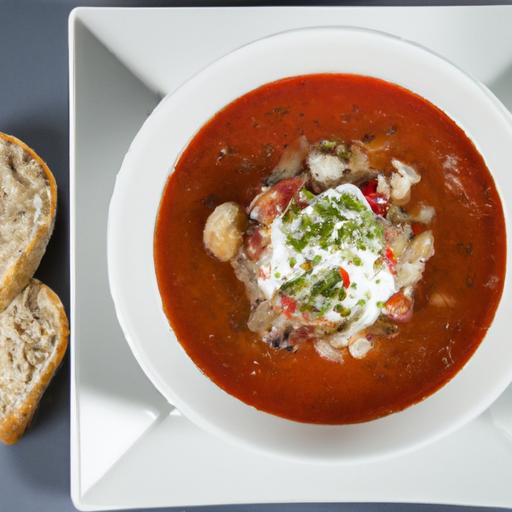
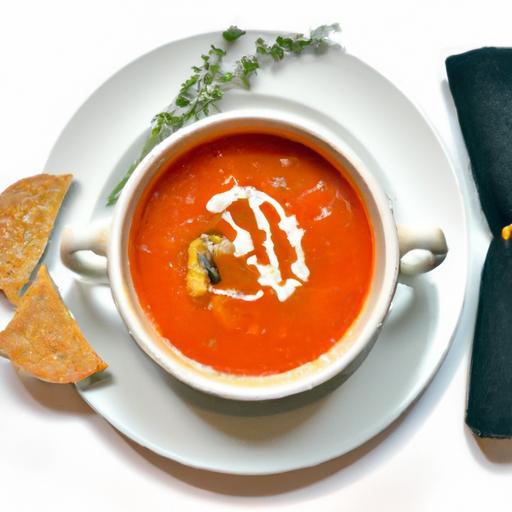
present your seafood soup in rustic white bowls to highlight the colorful medley of shellfish and vegetables. Garnish with a handful of vibrant herbs and a lemon twist.Pair with crusty artisan bread rubbed with garlic or a light salad of bitter greens dressed in a lemon vinaigrette. For an added textural contrast, top with toasted pine nuts or a sprinkle of smoked sea salt just before serving. This dish shines as a comforting starter or a satisfying main course on breezy evenings or special celebrations inspired by the sea.

| Nutrient | Per Serving |
|---|---|
| Calories | 280 kcal |
| Protein | 32 g |
| Carbohydrates | 14 g |
| Fat | 6 g |
Fresh Herb and Spice Pairing for Ocean’s Bounty
Harnessing the natural brininess of seafood, the delicate bitterness of fennel, bright citrus notes, and layered spices creates a perfectly balanced flavor profile. Parsley adds earthiness, dill imparts a subtle, grassy aroma, and basil lifts the dish with its sweet, peppery undertones. Together, they celebrate the freshness of the sea while inviting warmth and complexity to your bowl.
For a deeper dive into expert broth preparations that complement this recipe’s vibrant seafood elements, check out our complete homemade seafood broth guide. For additional culinary insights on seafood sustainability, visit the Marine Stewardship Council.
Q&A
Q&A: Ocean’s Bounty – A Deep Dive into Flavorful Seafood Soups
Q1: What makes seafood soups uniquely flavorful compared to other types of soups?
A1: Seafood soups are a party of the ocean’s natural essence.Their deep, briny flavors come from a combination of fresh shellfish, fish, and aromatic broths steeped with herbs, spices, and sometimes a touch of acidity. The umami-rich profiles of seafood impart a robust depth that’s unlike any land-based ingredients, creating a complex yet harmonious taste experience.
Q2: which types of seafood work best for crafting a rich, flavorful soup?
A2: A great seafood soup frequently enough balances a variety of textures and flavors. Firm-fleshed fish like cod or halibut provide hearty substance, while shellfish such as clams, mussels, and shrimp add a natural sweetness and briny complexity. Crab and lobster shells are excellent for making deeply savory stocks, enhancing the broth with layers of oceanic goodness.
Q3: How do you develop the broth to make it the star of a seafood soup?
A3: The broth is the soul of any seafood soup.Starting with a well-made stock using fish bones, shells, and aromatics like celery, fennel, garlic, and onions builds a flavor foundation. Slow simmering allows the nuances of the sea to infuse the liquid. Finishing touches like fresh herbs (thyme, bay leaf, dill), a splash of citrus juice, or a pinch of smoked paprika can elevate the broth to extraordinary levels.
Q4: What cooking techniques enhance the texture and flavor of seafood in soups?
A4: Timing and temperature control are key. Seafood cooks quickly, so adding delicate pieces like shrimp or scallops towards the end ensures they remain tender and juicy.Searing fish before adding it to the soup can introduce caramelized notes,while gently poaching seafood in the simmering broth helps it absorb those rich flavors without becoming tough.
Q5: Can you recommend some creative twists on classic seafood soups?
A5: Absolutely! Consider adding coconut milk and ginger for a tropical curry-infused seafood bisque, or blend roasted tomatoes and smoked paprika with shellfish stock for a smoky, spicy twist on a traditional bouillabaisse.Fresh herbs and bright citrus zest can also wake up the flavors, while a dash of chili flakes introduces warmth and subtle heat.
Q6: How do you ensure seafood soups remain fresh-tasting and not overly fishy?
A6: The freshest seafood, caught or sourced locally, is essential to avoid overpowering fishiness. Properly cleaning and preparing the seafood, discarding any impurities, and using aromatic ingredients like fennel, lemon, and herbs helps balance and brighten the flavors. Additionally, cooking seafood just long enough prevents an overly fishy or rubbery outcome.
Q7: What are some common complementary ingredients that enhance seafood soups without overwhelming their natural taste?
A7: Root vegetables such as carrots and parsnips add subtle sweetness and body,while aromatic vegetables like leeks and shallots build depth. A touch of cream or butter can lend richness without masking the oceanic flavors. Fresh herbs like parsley, tarragon, and chervil provide fragrant freshness, and a hint of saffron or turmeric introduces warmth and color.
Q8: How do cultural influences shape the variety of seafood soups around the world?
A8: Coastal cultures have crafted seafood soups that reflect their local catch and culinary traditions.For example, the spicy and tangy tom yum of Thailand contrasts with the hearty, herby cioppino of Italy’s West Coast. Each recipe showcases a unique way of coaxing out the essence of the sea,influenced by the herbs,spices,and techniques native to the region.
Q9: What tips can home cooks use to replicate restaurant-quality seafood soups?
A9: Start with the freshest seafood available and invest time in making a flavorful stock. Use layering techniques-building flavors step by step and tasting along the way. Don’t rush seafood additions and keep seasoning balanced. Presentation also makes a difference: a sprinkle of fresh herbs, a drizzle of good-quality olive oil, or a wedge of lemon can bring a professional touch to your bowl.
Q10: What’s the best way to store and reheat seafood soups without losing their vibrant flavor?
A10: Seafood soups are best enjoyed fresh but if storing, cool quickly and refrigerate in airtight containers. When reheating,warm gently over low heat to prevent toughening the seafood. Adding a splash of fresh broth or a squeeze of lemon juice upon reheating can help revive the soup’s brightness and balance. Avoid boiling after seafood is added to keep textures tender.
Dive in and savor the myriad flavors that seafood soups bring-the ocean’s bounty captured in every comforting spoonful!
In Summary
As we draw our spoons to a satisfying close, it’s clear that seafood soups are far more than just a meal-they are a rich tapestry of coastal culture, history, and culinary artistry. From briny clam chowders to spicy cioppinos, each bowl tells a story of the ocean’s generous bounty and the hands that transform it into comfort and delight. So next time you savor a steaming seafood soup, remember you’re partaking in a timeless tradition that celebrates the deep flavors and endless wonders of the sea. Dive in, and let your palate explore the depths of these savory treasures.