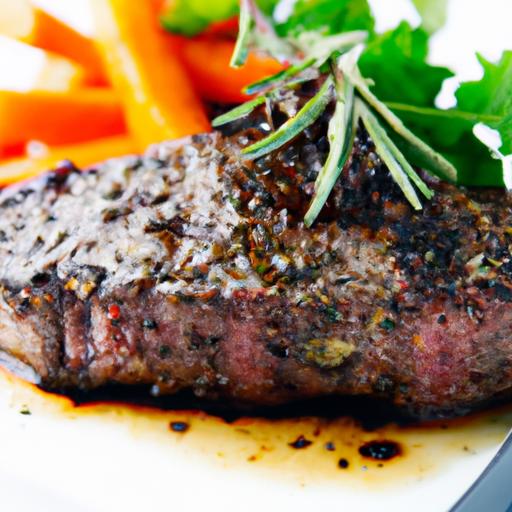

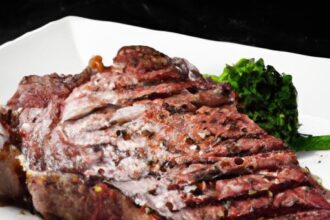



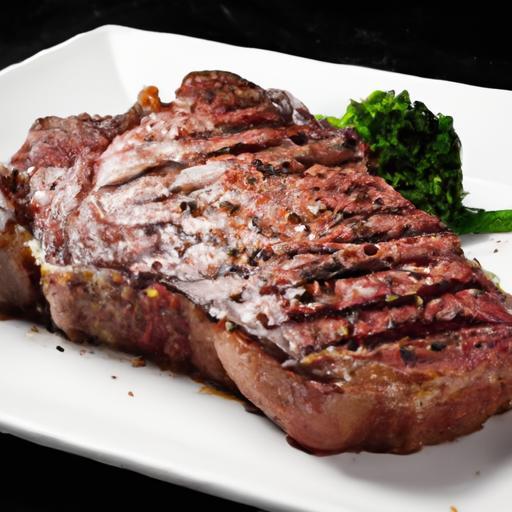
There’s something undeniably captivating about a perfectly grilled steak-the tantalizing sizzle as it hits the hot grill, the mouthwatering aroma that fills the air, and the blissful moment when that juicy, caramelized bite melts in yoru mouth. Mastering the art of grilling steak is not just about cooking meat; it’s about unlocking a rich symphony of flavors, textures, and techniques that elevate a simple cut into a culinary masterpiece. Whether you’re a seasoned grill master or a backyard beginner,this guide will walk you through everything you need to know-from selecting the ideal cut and seasoning secrets to timing,temperature control,and resting methods-ensuring every steak you serve is a juicy triumph. Prepare to ignite your passion for grilling and transform your steak nights forever.
Choosing the Ideal Cut for Maximum Flavor and Tenderness
Mastering the perfect grilled steak begins with selecting the right cut, a step that sets the stage for unbelievable flavor and impeccable tenderness.While many cuts can shine on the grill, prime ribeye, New York strip, and filet mignon stand out as top contenders. The ribeye boasts rich marbling, ensuring juicy succulence with every bite, while the New York strip offers a robust beefy flavor balanced with a tender texture.Filet mignon, though leaner, delivers buttery softness and a delicate mouthfeel that many steak lovers crave. When shopping, look for luminous-red meat with fine marbling and avoid cuts with grayish hues or excessive fat pockets, as freshness and balance in fat distribution are essential for grilling perfection.
Marinating Secrets to Elevate Taste and Texture
Even the best cut can benefit tremendously from a thoughtfully crafted marinade. A simple blend of olive oil, fresh garlic, fresh rosemary or thyme, and a splash of balsamic vinegar or freshly squeezed lemon juice will amplify flavor and gently tenderize the meat. For the most impactful results, marinate steaks for at least 30 minutes up to 4 hours in the refrigerator, keeping it covered and chilled. This infuses delightful herbaceous notes and helps break down muscle fibers for enhanced tenderness. Avoid overly acidic marinades or overnight soaking, which can toughen the meat and mask its natural essence. Remember,a light,balanced marinade lets the innate character of the beef shine through while adding a subtle depth.
Mastering Heat Control for the Ultimate Sear
Achieving that signature caramelized crust without overcooking requires attentiveness to grill temperature. Preheat your grill to high-around 450°F to 500°F-to ensure immediate searing on contact. This intense heat caramelizes surface proteins and sugars in the meat,creating a visually stunning Maillard reaction that locks in flavor. Position your steak over direct heat and sear each side for 2 to 3 minutes, resisting the urge to flip repeatedly. Use an instant-read meat thermometer to monitor internal doneness: 125°F for rare, 135°F for medium-rare, and 145°F for medium. Pat the steak dry before grilling to avoid steaming, as moisture is the enemy of perfect crust. If flare-ups occur,briefly move the steak to indirect heat to prevent charring while continuing to cook evenly.
Resting and Serving Tips to Lock in Juiciness
patience pays off in the final stages. After grilling, allow the steak to rest uncovered on a warm plate for 5 to 10 minutes.This critical phase lets muscle fibers relax and reabsorb their juices, resulting in a tender, moist bite rather of a dry one.Avoid cutting immediately-the tempting sizzling juices will simply run out, leaving your steak less luscious. For a finishing touch,sprinkle finishing salt like flaky Maldon or a touch of freshly cracked black pepper post-rest. Serve with complementary sides such as garlic butter-roasted potatoes or grilled asparagus.A pat of herb-infused butter melting over the hot steak creates a mouthwatering visual and flavor finale that completes the experience beautifully.
Prep and Cook Time
- Planning: 20 minutes (plus 30 min marinating)
- Cooking: 10-12 minutes
- Total: Approximately 1 hour
Yield
Serves 2 hearty portions
Difficulty Level
Medium - approachable for confident home cooks ready to elevate their grilling game
Ingredients
- 2 ribeye steaks, 1-inch thick (about 10 oz each)
- 3 tbsp extra-virgin olive oil
- 3 cloves garlic, minced
- 1 tbsp fresh rosemary, finely chopped
- 1 tbsp fresh thyme, finely chopped
- 1 tbsp balsamic vinegar
- Salt, preferably coarse sea salt or kosher salt, to taste
- Freshly ground black pepper, to taste
- Flaky finishing salt (optional)
- Butter, 2 tbsp room temperature (optional, for serving)
Instructions
- Prepare the marinade: In a small bowl, whisk together olive oil, minced garlic, rosemary, thyme, and balsamic vinegar.
- Marinate the steaks: Place steaks in a resealable bag or shallow dish. Pour marinade over and coat evenly. Refrigerate for 30 minutes to 4 hours, turning once halfway through.
- Preheat grill: Heat your grill to high (450°F-500°F). Clean the grates and oil lightly to prevent sticking.
- Pat dry: Remove steaks from marinade and pat thoroughly dry with paper towels to remove excess moisture.
- Season: Generously salt and pepper both sides immediately prior to grilling.
- Sear the steaks: Place steaks on direct heat; grill undisturbed for 2-3 minutes per side to form a deep crust.
- check doneness: Use an instant-read thermometer inserted into the thickest part. Remove from grill when 5°F below your desired doneness (e.g., 130°F for medium-rare).
- Rest the steaks: Transfer to a plate and rest uncovered for 5-10 minutes. This allows juices to redistribute evenly.
- Serve: Optional - add a pat of butter on top and sprinkle flaky salt before presenting.
Tips for Success
- For leaner cuts: Incorporate a teaspoon of olive oil and a pinch of sugar into your marinade to encourage browning and moisture retention.
- Don’t skip drying: Moisture on the steak’s surface steams rather than sears, compromising crust quality.
- Rest, don’t tent: Avoid covering with foil during rest to keep crust crisp.
- Use charcoal: If available, charcoal imparts a natural smoky complexity enhancing the grilled steak’s profile.
- Make ahead: Marinades can be mixed and refrigerated a day prior for convenience.
Serving Suggestions
Pair this grilled steak with vibrant roasted vegetables, creamy garlic mashed potatoes, or a fresh arugula salad tossed in lemon vinaigrette.garnish with sprigs of rosemary or thyme for aromatic elegance and finish with a drizzle of high-quality olive oil. For a sophisticated touch, serve alongside a homemade chimichurri sauce, which cuts richness with its bright, herbaceous punch.
| Nutrient | Per Serving (1 steak) |
|---|---|
| Calories | 650 kcal |
| Protein | 55 g |
| Carbohydrates | 2 g |
| Fat | 48 g |

For more insights on grilling techniques, check out our Guide to Grilling Vegetables. To deepen your understanding of meat aging and cuts, visit Serious Eats on Beef Cuts.
Q&A
Q&A: Mastering the Perfect Grilled Steak – A Juicy Recipe Guide
Q1: What’s the secret to selecting the best cut of steak for grilling?
A1: The secret lies in choosing cuts with great marbling-the delicate webs of fat woven throughout the meat. cuts like ribeye, strip steak, and tenderloin shine on the grill as the fat melts during cooking, keeping the steak juicy and bursting with flavor.Look for bright red meat with fine marbling and avoid any pieces that look overly dry or brown.
Q2: How important is seasoning, and when should I season my steak?
A2: Seasoning is your ticket to a flavor-packed steak! A simple sprinkle of coarse salt and freshly cracked black pepper just before grilling enhances the natural beefiness without overpowering it. For an extra layer of flavor, you can season the steak at least 40 minutes prior, allowing the salt to penetrate and tenderize the meat, but be sure to pat it dry before it hits the grill for a perfect sear.
Q3: Can I use marinades on my steak, or is dry seasoning better?
A3: Both have their charms! Marinades can impart wonderful flavor and tenderize tougher cuts, especially those less naturally tender. For a classic grilled steak, simplicity reigns-dry seasoning highlights the pure beef essence. If you opt for a marinade, keep it short (30 to 60 minutes) to avoid overpowering the steak’s natural taste.
Q4: What’s the ideal grill temperature for a perfectly cooked steak?
A4: Aim for a hot grill-around 450°F to 500°F (232°C to 260°C). High heat creates that coveted caramelized crust while sealing in juices. Let your grill preheat fully so the steak sizzles on contact and forms those stunning grill marks.
Q5: How do I know when my steak is cooked to the desired doneness?
A5: Use your fingers, a meat thermometer, or the classic “touch test.” For internal temps: rare is about 120°F-125°F, medium-rare clocks in at 130°F-135°F, medium at 140°F-145°F, and well-done is 160°F and above. Rest your steak for 5-10 minutes after grilling so juices redistribute-this is key to juicy perfection.
Q6: Should I flip the steak multiple times during grilling?
A6: Less is more here! Flip the steak just once to develop a nice crust. over-flipping interrupts the searing process and can lead to uneven cooking. Place your steak on the grill and resist the temptation to poke or prod-good things come to those who wait.
Q7: What’s the best way to rest the steak after grilling?
A7: Rest your steak by tenting it loosely with foil on a warm plate. this resting period allows the steak’s juices, pushed towards the center by the heat, to redistribute evenly, making each bite tender and luscious. Skipping this step can cause precious juices to escape the moment you slice.
Q8: Can I enhance my grilled steak with finishing touches?
A8: Absolutely! A pat of herb butter melting on top, a sprinkle of flaky sea salt, or a drizzle of high-quality olive oil can elevate your steak from flavorful to divine.Fresh herbs like rosemary or thyme placed on the steak during resting add subtle aromatic notes.
Q9: Any tips for grilling steaks for a crowd?
A9: Plan ahead by prepping steaks with seasoning or marinade in advance.Use a two-zone grill setup-one side hot for searing, the other cooler for finishing cooking at a gentle pace. This method keeps steaks juicy and prevents the grill from becoming a chaotic dance of overcooked meat.
Q10: How can I avoid flare-ups while grilling steak?
A10: Flare-ups happen when fat drips onto flames. Trim excessive fat from the edges, keep a spray bottle of water handy to tame flames, and try not to press down on the steak as it grills. Using a charcoal or gas grill with a lid helps control flare-ups and maintain even heat.
Grilling the perfect steak is an art and a science-armed with these tips, your next backyard feast will be juicy, flavorful, and impressively delicious every time!
The Conclusion
As the flames die down and the aroma of a perfectly grilled steak lingers in the air, you’ll realize that mastering this culinary art isn’t just about following a recipe-it’s about embracing patience, precision, and passion. With the techniques and tips shared in this guide, you’re now equipped to transform every cut of meat into a juicy, flavorful masterpiece. So fire up the grill, trust your instincts, and savor the satisfaction that comes from crafting the perfect steak-because great grilling is an experience best enjoyed bite by delicious bite.