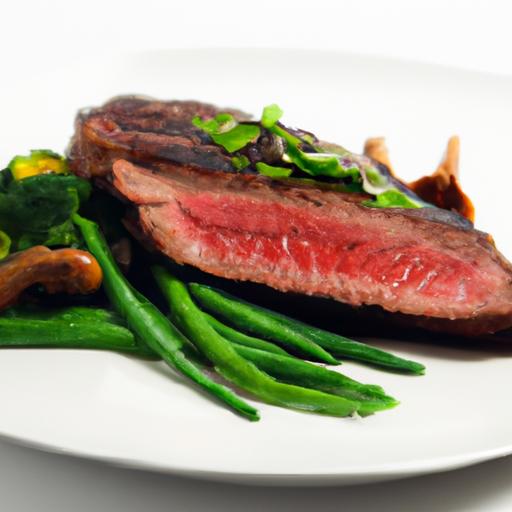


There’s an undeniable magic in the sizzle of a steak hitting a scorching hot pan, the tantalizing aroma weaving through the air, promising a feast that delights every sense. But transforming a humble cut of meat into a perfectly cooked masterpiece is no mere happenstance-it’s a craft, an art form that balances science, intuition, and a touch of passion. In “Mastering the Art: A Savory Guide to Perfectly Cooked Steak,” we’ll embark on a flavorful journey to unlock the secrets behind steak perfection. From selecting the ideal cut to nailing the flawless sear and achieving the coveted doneness, this guide will equip you with the knowledge and techniques to elevate yoru steak-cooking game, ensuring every bite is a melt-in-your-mouth experience worth savoring.
Mastering the Art: A Savory Guide to Perfectly Cooked Steak begins with one simple truth: the right cut transforms your steak from ordinary to remarkable. Each slice of beef holds unique qualities that unlock distinct flavors and textures, beckoning a tailored cooking approach to highlight its best attributes. Whether you crave a buttery ribeye full of marbled richness or a lean and tender filet mignon, understanding the nuances behind choosing your steak empowers you to achieve impeccable results every time.
Prep and Cook Time
- Preparation: 10 minutes
- Cooking: 8-12 minutes (dependent on thickness and doneness)
- Resting: 5 minutes
Yield
serves 2 hearty portions
Difficulty level
Medium – Perfect for culinary enthusiasts and seasoned home cooks eager to elevate their steak skills
Ingredients
- 2 steaks (8-10 oz each) – ribeye, sirloin, or filet mignon, 1 to 1.5 inches thick
- 2 tbsp high smoke point oil – avocado or grapeseed oil
- 2 cloves garlic, lightly crushed
- 3 sprigs fresh thyme or rosemary
- 3 tbsp unsalted butter
- Coarse sea salt
- Freshly ground black pepper
Instructions
- Bring steak to room temperature: Remove the steaks from the refrigerator 30-45 minutes before cooking to ensure even searing.
- Season generously: Pat steaks dry with paper towels.Sprinkle coarse sea salt and freshly ground black pepper on all sides to enhance natural flavors.
- Heat your pan: Set a heavy cast-iron skillet or stainless steel pan over high heat. Add 2 tablespoons of high smoke point oil and warm until shimmering but not smoking.
- Sear the steaks: Lay the steaks gently into the pan and cook without moving for about 3-4 minutes to develop a deep, caramelized crust. Flip and sear the other side similarly.
- Add aromatics and butter: Toss in garlic and herb sprigs. Reduce heat to medium-low and add butter. As it melts, tilt the pan gently and spoon the flavored butter over the steaks repeatedly for 2-3 minutes to infuse richness.
- Check doneness precisely: Use an instant-read thermometer-target 125°F for rare, 135°F for medium-rare, or 145°F for medium. Remember, residual heat will continue to cook the meat after removing it from the pan.
- Rest your steak: Transfer steaks to a plate or cutting board, tent loosely with foil, and let rest for 5 minutes. This allows juices to redistribute, ensuring every bite bursts with flavor.
- serve and indulge: Slice against the grain and plate beautifully with your choice of sides.
tips for Success: Unlocking Flavor and Texture secrets
- Select steaks with balanced marbling: Fat interspersed within muscle fibers melts during cooking, lending a succulent texture and buttery flavor. Ribeye is an ideal choice for melt-in-your-mouth tenderness, while sirloin offers a firmer bite and bold beefiness.
- Precision is key: Master the art of temperature control-high heat yields a perfect crust while careful timing ensures the center remains juicy and tender.
- Don’t skip resting: Patience yields steak greatness.Resting prevents valuable juices from escaping when sliced.
- Experiment with finishes: try finishing with a pinch of flaky sea salt or a drizzle of herb-infused olive oil to elevate complexity.
- Making ahead: You can season steaks up to 2 hours before cooking for enhanced taste, but avoid covering to keep the surface dry for optimal searing.
Serving Suggestions
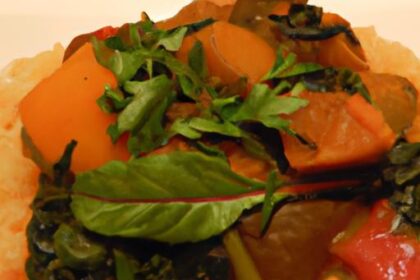
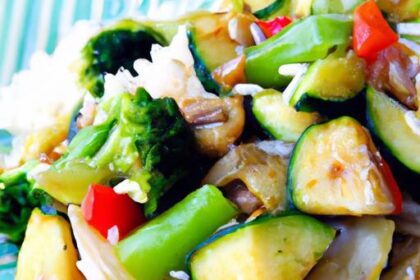
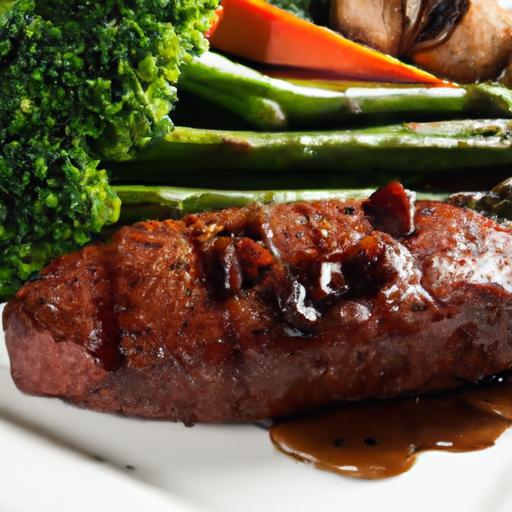
Present your perfectly cooked steak atop a rustic wooden board or elegant ceramic plate. Complement it with vibrant sides like garlic mashed potatoes,roasted seasonal vegetables,or a crisp arugula salad sprinkled with shaved Parmesan. Garnish with fresh herb sprigs and a light brush of melted herb butter for visual appeal and extra flavor depth. A coarse grind of black pepper across the steak’s edge also adds a delightful pop.
| Nutrient | Per Serving |
|---|---|
| Calories | 530 kcal |
| Protein | 48g |
| Carbohydrates | 2g |
| Fat | 36g |

For an in-depth look into cuts and sous vide techniques, explore our thorough guide on The best Steak Cuts and Cooking Methods. To deepen your knowledge about ideal cooking temperatures, visit Serious Eats steak temperature guide.
Q&A
Q&A: Mastering the Art: A Savory Guide to Perfectly Cooked Steak
Q1: What’s the first step to achieving a perfectly cooked steak?
A1: The journey to steak greatness begins with selecting the right cut. Choose a well-marbled piece with a rich, deep red color for maximum flavor and tenderness.Let it come to room temperature before cooking to ensure even heat penetration.
Q2: How crucial is seasoning, and when should it be applied?
A2: Seasoning is your steak’s flavor companion.generously apply kosher salt and freshly ground black pepper just before cooking to create a appetizing crust without drawing out moisture prematurely. Simple,bold seasoning enhances the natural beefy notes without overpowering the meat.Q3: What’s the key to that perfect sear?
A3: A hot, heavy-bottomed pan or grill is your best friend. Preheat it until it’s smoking hot, then place the steak down without moving it-this builds that signature caramelized crust. remember: the Maillard reaction is the magical chemical process that locks in flavor and texture.
Q4: How can I tell when my steak is cooked to the desired doneness?
A4: Trust your fingertips and a meat thermometer. For rare, aim for 120-125°F; medium-rare, 130-135°F; medium, 140-145°F. Alternatively, the finger test-comparing the steak’s firmness to different parts of your hand when touching thumb and fingers-can help gauge doneness without gadgets.
Q5: is flipping the steak multiple times during cooking helpful?
A5: Flipping once or twice is ideal. Let the steak develop a crust on one side before flipping to avoid disrupting the sear. Over-flipping cools the surface and prevents the gorgeous browning we crave.Q6: Should I use butter or oil for cooking steak?
A6: Start with a high smoke point oil, like avocado or grapeseed, for searing. Towards the end, add a knob of butter and aromatics such as garlic and fresh herbs. Basting the steak in melted butter bathes it in flavor and delivers mouthwatering richness.
Q7: Why is resting the steak crucial after cooking?
A7: Resting allows juices to redistribute throughout the meat, ensuring each bite is juicy and tender rather than a dry drip. A 5-10 minute rest under a loose tent of foil is the golden rule.
Q8: What common mistakes should be avoided when cooking steak?
A8: Avoid cooking steaks straight from the fridge, skipping seasoning, overcrowding the pan, or cutting into the meat immediately after cooking. each misstep risks losing flavor, moisture, and that enviable texture.
Q9: Can I cook a steak perfectly on a stove if I don’t have a grill?
A9: Absolutely! A cast iron skillet or heavy pan provides excellent heat retention for searing and cooking steak indoors. finish in the oven if needed to reach perfect doneness without burning the exterior.Q10: How can I elevate the steak experience beyond just cooking it well?
A10: Pair your steak with complementary elements like a compound herb butter, a drizzle of garlic-infused oil, or a sprinkle of flaky sea salt just before serving. freshly chopped herbs like rosemary or thyme also add aromatic depth, transforming your plate into a culinary masterpiece.
Future Outlook
mastering the art of cooking the perfect steak is more than just a culinary skill-it’s a journey of patience, precision, and passion. With every sizzling sear and careful rest, you transform a simple cut of meat into a masterpiece of flavor and texture. Armed with the right techniques and a little bit of know-how, you’re no longer just cooking steak-you’re crafting an experience that delights the senses and honors the tradition of a great meal. So fire up that pan, sharpen your knives, and let each perfectly cooked steak tell your story of savory success.