



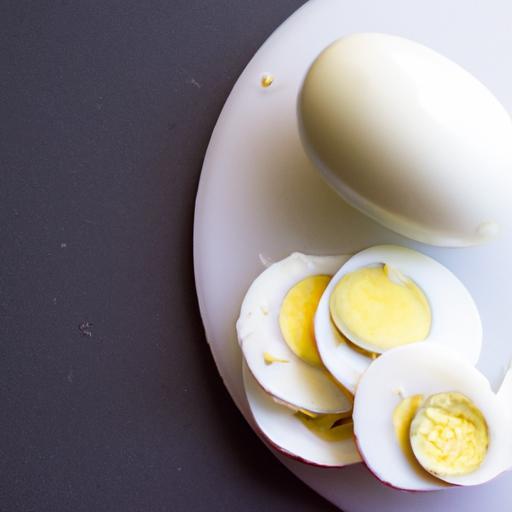
Few kitchen feats seem simpler than boiling an egg-until you meet the dreaded green ring, that stubborn shell that refuses to peel, or the frustratingly rubbery yolk. Yet, behind this humble culinary task lies a realm of science and technique waiting to be uncovered. Welcome to “Crack the Secrets: Mastering Perfect Hard-Boiled Eggs,” where we’ll unravel the mysteries, share expert tips, and transform this everyday staple into a flawless delight. Whether you’re a breakfast enthusiast, a meal-prep pro, or just someone craving that ideal bite, prepare to elevate your egg game to an art form.
Crack the Secrets: Mastering Perfect Hard-Boiled Eggs begins with understanding how to choose the right eggs for flawless results every time. Freshness plays a crucial role, yet paradoxically, slightly older eggs peel easier. For consistent success, use eggs that have been refrigerated for at least 5-7 days. This subtle aging loosens the membrane inside the shell, making peeling a breeze and ensuring smooth, picture-perfect yolks.
Prep and Cook Time
- Preparation: 5 minutes
- Cooking: 10-12 minutes
- Total Time: 20 minutes (including chilling)
Yield
Yields 6 perfectly hard-boiled eggs, ideal for snacking, salads, or dazzling deviled eggs.
Difficulty Level
Easy – a foolproof technique anyone can master.
Ingredients
- 6 large eggs, refrigerated for 5-7 days
- Water, enough to fully cover eggs by an inch
- ice, for an immediate cooling bath
- 1 tbsp baking soda (optional, for easier peeling)
Instructions
- Place the 6 large eggs gently in a single layer at the bottom of a medium saucepan. Avoid crowding to prevent cracking.
- Add enough cool water to cover the eggs by about an inch, then stir in 1 tbsp baking soda to subtly raise pH and promote easy peeling.
- Bring the water to a rapid boil over medium-high heat. As soon as boiling begins, reduce heat to maintain a gentle simmer.
- Set a precise timer for 10-12 minutes depending on your preferred yolk firmness-10 minutes yields creamy yolks; 12 minutes delivers fully set,yet tender centers.
- While the eggs cook, prepare an ice bath by filling a large bowl with cold water and ice cubes.
- Once the timer sounds,promptly transfer the eggs with a slotted spoon into the ice bath. Let them chill for at least 5 minutes to halt cooking and lock in the vibrant yellow of the yolk.
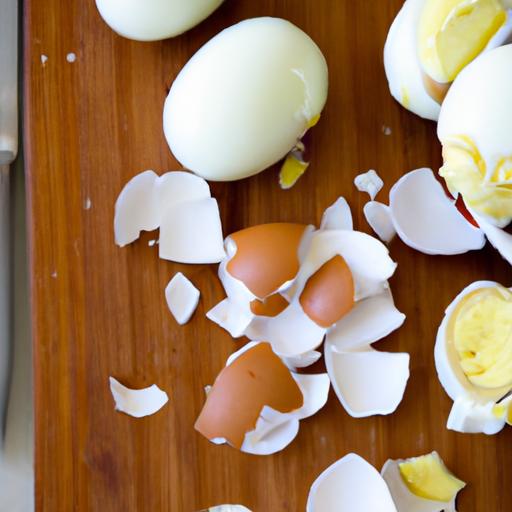
- To peel, gently tap each egg on a hard surface to crack, then roll it lightly to loosen the shell. Starting at the wider end helps, where the air pocket resides, making removal seamless.
Chef’s Notes: Tips for Success with Hard-Boiled Eggs
- Timing and Temperature: Maintain a gentle simmer rather than a rolling boil-this keeps eggs moving gently, preventing cracking and ensuring even cooking.
- Cooling is Crucial: The shocking ice bath stops the cooking instantly, preventing a green-gray ring around yolks and preserving smooth texture.
- Easy Peeling Hack: Older eggs always beat fresh ones here,but if in a pinch,the baking soda in your cooking water or peeling under running water loosens stubborn shells.
- Storage: Keep unpeeled eggs refrigerated up to one week. Peeled eggs are best consumed within 2 days.
- Avoid Overcooking: Overcooked eggs develop a sulfuric odor and chalky yolks-set timers and plunge into ice water without delay.
Serving Suggestions
Present your flawless hard-boiled eggs sliced over fresh greens sprinkled with flaky sea salt and cracked black pepper. Garnish with chives, smoked paprika, or a drizzle of high-quality olive oil.For an elegant twist, make classic deviled eggs using creamy mustard and mayonnaise fillings, topped with a dash of smoked paprika and fresh dill. They also pair wonderfully with avocado toast or nestled in a bowl of vibrant ramen broth for an umami-packed meal.

| Nutrient | Per Egg (Large) |
|---|---|
| Calories | 78 |
| Protein | 6.3g |
| Carbohydrates | 0.6g |
| Fat | 5.3g |
For those wanting to explore more creative egg recipes and techniques, head over to our complete guide to egg mastery. To deepen your understanding on egg freshness and storage, check out the insightful research from Egg Farmers of Canada.
Q&A
Q&A: Crack the Secrets – Mastering Perfect Hard-Boiled Eggs
Q1: Why do my hard-boiled eggs sometimes have greenish rings around the yolk?
A1: That telltale green ring is caused by a chemical reaction between sulfur in the egg white and iron in the yolk, often a result of overcooking or cooling eggs too slowly. to avoid this, remove eggs from boiling water promptly and plunge them into an ice bath to halt cooking instantly.
Q2: How can I ensure the yolks are perfectly centered and vibrant?
A2: Gently stirring eggs in the first few minutes of boiling helps centre the yolks by keeping them in the middle of the egg while the white sets. This results in evenly shaped yolks and a more appealing presentation.
Q3: What’s the ideal cooking time for hard-boiled eggs with firm whites and creamy yolks?
A3: For large eggs at sea level, 9 to 12 minutes of boiling usually hits that sweet spot. Nine minutes yield slightly softer yolks, while 12 minutes guarantee firm, fully set centers without drying out. Experiment with your stove and pot to find your perfect timing.
Q4: Does starting eggs in cold water or boiling water make a difference?
A4: Yes! starting eggs in cold water and bringing them to a gentle boil allows the whites to cook evenly, reducing cracking.Conversely, dropping eggs directly into boiling water speeds cooking but increases the risk of cracking and uneven texture. For beginners, the cold-water method is often more foolproof.
Q5: How do freshness levels affect peeling hard-boiled eggs?
A5: Fresh eggs tend to be harder to peel because the pH level of the white clings more tightly to the shell membrane. Older eggs, ideally about a week or more old, have a slightly higher pH, making shells easier to peel.If you only have fresh eggs, try steaming instead of boiling to improve peelability.
Q6: Can I make hard-boiled eggs ahead of time without sacrificing quality?
A6: Absolutely! Hard-boiled eggs can be stored peeled or unpeeled in the refrigerator for up to one week. Keep them in a sealed container to prevent odors from seeping in. For the best texture and flavour, consume within 3-4 days if peeled.Q7: What’s the best way to peel an egg quickly and cleanly?
A7: After shocking eggs in ice water, gently tap them on a hard surface to crack the shell all over, then roll the egg to loosen the shell further. Start peeling at the wider end where there’s usually an air pocket, which creates a natural space to get under the shell. Rinsing the peeled egg briefly under cold water can remove stubborn bits.
Q8: Are there any tricks to infuse hard-boiled eggs with extra flavor?
A8: Definitely! After boiling and peeling, marinate your eggs in a savory or tangy brine – think soy sauce with garlic and chili, or a mix of vinegar, herbs, and spices. let them soak overnight to create flavorful “tea eggs” or seasoned bites perfect for snacking or salads.
Q9: How can I avoid cracked eggs during boiling?
A9: To prevent cracks, bring eggs to room temperature before cooking, and add a pinch of salt or a splash of vinegar to the water to strengthen the shells. Place eggs gently into the pot using a spoon, and maintain a gentle simmer instead of a rolling boil.
Q10: What’s the secret to that silky texture in the white and creamy yolk I’ve seen in gourmet dishes?
A10: Precision is key! Cook eggs just long enough to set the white but not overcook the yolk-typically around 9 minutes. Immediately cool in ice water to stop cooking cold, then peel carefully. This method preserves moisture, resulting in tender whites and tender, creamy yolks with an irresistibly smooth mouthfeel.
Mastering hard-boiled eggs is part science, part art – but armed with these secrets, you’re well on your way to eggcellence!
To Wrap It Up
Cracking the code to perfect hard-boiled eggs may seem like a simple kitchen task, but as we’ve uncovered, it’s truly an art form grounded in science. By mastering the right timing, temperature, and techniques, you’re not just boiling eggs-you’re unlocking a world of culinary possibilities, from breakfast classics to gourmet salads and beyond. So the next time you hear that gentle boil and watch those shells crack, remember: you hold the secret to egg-cellence in your hands. With practice and patience, every hard-boiled egg can be a flawless, tender masterpiece waiting to elevate your meals. Happy cracking!