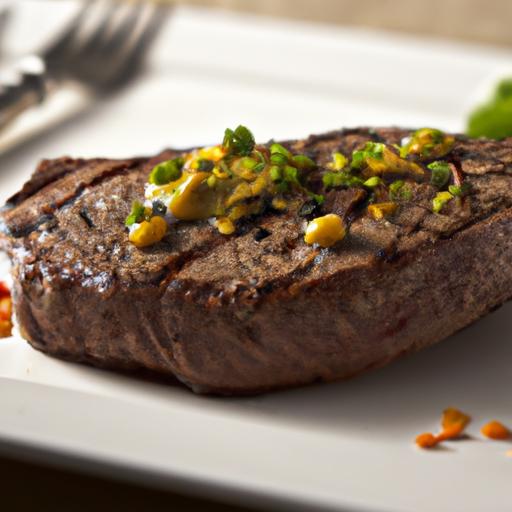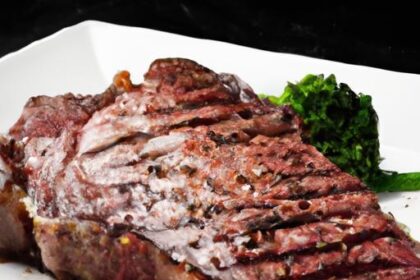


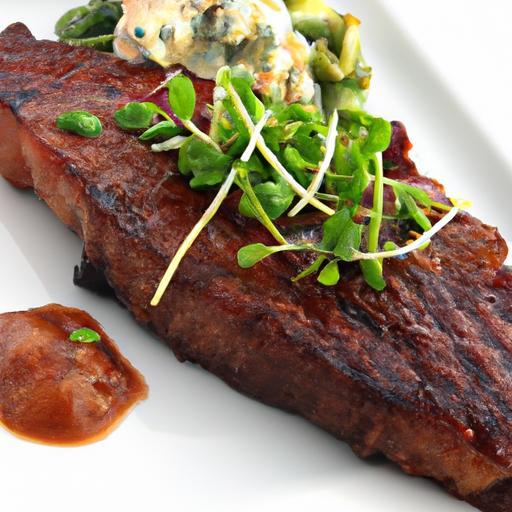
There’s something undeniably satisfying about sinking your teeth into a perfectly cooked pan-seared steak-its caramelized crust giving way to a tender, juicy center that bursts with rich, savory flavor. Yet achieving that ideal balance between a crisp exterior and a melt-in-your-mouth interior is frequently enough easier dreamed than done. Whether you’re a seasoned home cook or just beginning your culinary journey, mastering the art of pan-searing steak unlocks a world of mouthwatering possibilities right from your stovetop. In this article, we’ll dive into expert tips and techniques that transform a simple cut of beef into a restaurant-quality masterpiece, ensuring every bite is tender, flavorful, and irresistibly juicy. prepare to elevate your steak game and impress your taste buds like never before.
Mastering pan-seared steak is an art that transforms a simple cut of beef into a culinary masterpiece bursting with rich, juicy flavor and an irresistibly crispy crust. The magic begins long before the first sizzle, with selecting the ideal cut and preparing it to ensure every bite is tender and perfectly cooked.
Choosing the Ideal Cut and Preparing Your Steak for Pan-Seared Perfection
When mastering pan-seared steak, your foundation is the cut itself. Opt for steaks with good marbling-intramuscular fat that melts during cooking-to fuel flavor and moisture. Prime choices include ribeye, striploin, or a well-marbled sirloin, each offering a balance of tenderness and beefy richness.
Start by patting your steak dry with paper towels. Moisture is the enemy of a great crust, so ensure your steak’s surface is as dry as possible. Season generously with coarse kosher salt and freshly ground black pepper at least 40 minutes before cooking or right before placing it in the pan. This salting technique helps the meat retain its juices and enhances the natural flavors.
Unlocking the Science of Searing: How to Build a Flavorful Crust
Creating that deeply caramelized, golden-brown crust is where science and skill intertwine. By mastering pan-seared steak’s searing stage, you lock in juices while creating complex Maillard reactions - those appetizing browning compounds responsible for irresistible aroma and flavor.
Use a heavy-bottomed skillet, preferably cast iron, and preheat it over medium-high heat until it’s smoking hot. Add a high smoke-point oil such as grapeseed or avocado oil. Place the steak carefully into the pan and resist the urge to move it. Sear the steak undisturbed for 2-3 minutes per side (depending on thickness) until a deep crust forms. For an even more decadent finish, add a tablespoon of unsalted butter and aromatics like garlic cloves and fresh thyme, basting the steak to infuse savory notes.
Mastering Heat Control and Timing for Juicy, Evenly Cooked Steak
Balancing heat is pivotal for mastering pan-seared steak.Starting high to develop that crust then lowering the heat allows the steak’s interior to cook gently without burning the exterior. For thicker cuts, after searing both sides, reduce the heat to medium-low and continue cooking to your desired doneness.
Use a meat thermometer to take the guesswork out of timing. Aim for 120°F (49°C) for rare, 130°F (54°C) for medium-rare, and 140°F (60°C) for medium.Remove the steak just shy of your target temperature as it will carry over cook while resting.
Resting and Finishing Touches to Elevate Your Pan-Seared Steak Experience
resting is a vital final step that allows muscle fibers to relax and juices to redistribute, ensuring every bite is moist and tender. Tent your steak loosely with foil and let it rest for 5-10 minutes.
Finish with a light sprinkle of flaky sea salt and a pat of herb-infused butter or a drizzle of high-quality olive oil. For a vibrant contrast, garnish with freshly chopped parsley or microgreens. These finishing touches uplift the steak from simple to sublime.
Prep and Cook Time
- Preparation: 10 minutes (plus 40 minutes salting if doing ahead)
- Cooking: 8-12 minutes depending on thickness and doneness
- Resting: 5-10 minutes
Yield
Serves 2 (1 steak per person, approximately 8-10 oz each)
Difficulty Level
Medium – requires attention to heat control and timing but accessible for confident home cooks.
Ingredients
- 2 ribeye or striploin steaks, 8-10 oz each, about 1 to 1 ¼ inch thick, room temperature
- 1 ½ teaspoons coarse kosher salt
- 1 teaspoon freshly ground black pepper
- 2 tablespoons grapeseed or avocado oil
- 2 tablespoons unsalted butter
- 3 garlic cloves, smashed
- 2 sprigs fresh thyme
- flaky sea salt (for finishing)
- Fresh parsley or microgreens, chopped, for garnish
Instructions
- Prep your steak: Pat steaks dry. Season both sides generously with kosher salt and black pepper. Let rest at room temperature for 40 minutes or season just before cooking if short on time.
- Heat your pan: Place a cast iron skillet over medium-high heat until it’s very hot and almost smoking.
- Oil and sear: Add grapeseed oil, promptly place steaks in the pan, pressing gently to ensure contact. sear undisturbed for 2-3 minutes until a rich golden crust forms.
- Flip and add aromatics: Turn steaks over. Add unsalted butter, garlic, and thyme to the pan. Tilt the pan slightly and continuously spoon melted butter over the steaks for about 2-3 minutes.
- control heat and monitor temperature: If your steak is very thick, reduce heat to medium-low to finish cooking. Use a meat thermometer to check internal temperature, aiming for your desired doneness.
- Rest your steak: Remove steaks from pan and loosely tent with foil. Let rest for 5-10 minutes to allow juices to redistribute.
- Finish and serve: Sprinkle flaky sea salt and garnish with fresh parsley or microgreens. Slice against the grain if serving sliced, and enjoy immediately.
Tips for Success
- Dry your steak thoroughly: This simple step is key for a flawless crust.
- Don’t overcrowd the pan: Cook steaks in batches if necessary to maintain high heat.
- Use instant-read thermometer: It’s the most reliable way to guarantee perfect doneness every time.
- Try finishing with compound butters: Mix softened butter with garlic, herbs, or citrus zest for an elevated flavor boost.
- Make-ahead tip: Season steaks in advance and refrigerate uncovered on a rack to help dry the surface for even better searing.
Serving Suggestions
Master your pan-seared steak by pairing it with creamy mashed potatoes or roasted garlic-infused asparagus for a classic touch. Add a side of caramelized mushrooms sautéed in butter and herbs for earthiness. for garnishes, a fresh herb chimichurri or a sprinkle of crunchy sea salt lifts every bite. Serve on a warm plate to keep your steak juicy and inviting.

| Nutrient | Per Serving (1 steak) |
|---|---|
| Calories | 520 |
| Protein | 48g |
| Carbohydrates | 0g |
| Fat | 36g |
For more tips on cooking perfect steaks at home, check out our Ultimate Guide to Grilling Steak. For the science behind the Maillard reaction and its impact on flavor, visit Exploratorium’s science of cooking.
Q&A
Q&A: Mastering Pan-Seared Steak: Tips for Perfect Juicy Flavor
Q1: What is the secret to achieving a perfect crust on a pan-seared steak?
A1: The key to a perfect crust lies in high heat and a dry surface. Before cooking, pat your steak thoroughly with paper towels to remove moisture-this prevents steaming. Preheat your skillet until it’s smoking hot, then add a high-smoke-point oil like grapeseed or avocado oil.once the steak hits the pan, avoid moving it around; let the Maillard reaction work its magic to create that irresistible, caramelized crust.
Q2: How can I ensure my steak stays juicy and tender inside?
A2: Starting with a well-marbled cut helps, but technique is equally vital. Allow your steak to rest at room temperature for about 30 minutes before cooking so it cooks evenly. After searing, reduce the heat a bit to allow the steak to finish cooking without drying out. Most importantly, after cooking, rest the steak for 5-10 minutes. This lets the juices redistribute, preventing them from spilling out when you slice.
Q3: What’s the best way to season a steak before pan-searing?
A3: Keep it simple and bold. A generous sprinkle of kosher salt and freshly cracked black pepper enhances the beef’s natural flavor.Season just before cooking to avoid drawing out moisture. For extra depth, you can add garlic cloves or fresh herbs like rosemary or thyme to the pan during cooking, basting the steak with the flavored butter or oil.
Q4: how do I choose the right cut for pan-searing?
A4: Ideal cuts for pan-searing are those that combine tenderness with good marbling,such as ribeye,striploin,or filet mignon. These cuts develop rich flavor and juicy texture when cooked quickly over high heat. Thicker cuts (about 1 to 1.5 inches) are easier to cook evenly without overcooking the exterior.Q5: Can I use butter when pan-searing steak? If so, when?
A5: Absolutely! Butter adds exquisite richness and flavor but has a lower smoke point than many oils. Start by searing your steak in a high-smoke-point oil, then add a knob of butter toward the end of the cooking process along with garlic and herbs. Tilt the pan and spoon the melted butter over the steak repeatedly-this technique, known as basting, infuses every bite with luscious flavor and helps finish the cooking gently.
Q6: How do I know when my pan-seared steak is cooked to my preferred doneness?
A6: Using a reliable instant-read thermometer is your best bet. For rare, target 120-125°F (49-52°C); medium-rare is 130-135°F (54-57°C); medium 140-145°F (60-63°C); and well-done 160°F (71°C) and above. If you don’t have a thermometer,use the finger test for firmness or look for juices pooling on the surface as a visual cue.
Q7: Is it better to flip the steak once or multiple times?
A7: Less is more here. Flipping once midway through cooking ensures a proper sear and even cooking. Constant flipping interrupts the crust formation and can prevent a beautiful, caramelized surface. Patience is key-resist the urge to move your steak too much.Q8: Can resting steak be skipped? What happens if I don’t?
A8: Resting is a crucial step. Skipping it means the juices inside the steak are still actively moving and will run out onto your plate the moment you cut. Resting allows these juices to redistribute throughout the meat, ensuring every bite is juicy and tender rather than dry and chewy.
Q9: How can I add an extra layer of flavor post-searing?
A9: After resting, try finishing your steak with a sprinkle of flaky sea salt or a drizzle of a flavored finishing oil, like truffle or chili oil. This subtle boost enhances complexity and adds a gourmet touch to your perfectly cooked steak.Q10: What kitchen tools really help nail pan-seared steak?
A10: A heavy-bottomed skillet or cast iron pan is a must for even heat retention and a great sear. Use tongs for flipping (never a fork, which pierces and lets juices escape). An instant-read thermometer is invaluable for precision, while a spoon helps with basting during the butter finish. Together,these tools turn your stove into a steakhouse experience.
In retrospect
Mastering the art of the pan-seared steak is more than just following a recipe-it’s about understanding the delicate dance between heat, timing, and seasoning that transforms a simple cut of meat into a culinary masterpiece. With each perfectly caramelized crust and each juicy, tender bite, you not only satisfy your hunger but also celebrate the joy of cooking with intention and skill. So next time you step up to the stove, remember these tips, trust your instincts, and let your pan be the stage where flavor comes to life. Here’s to countless meals of juicy, mouthwatering steak-mastered and savored.