

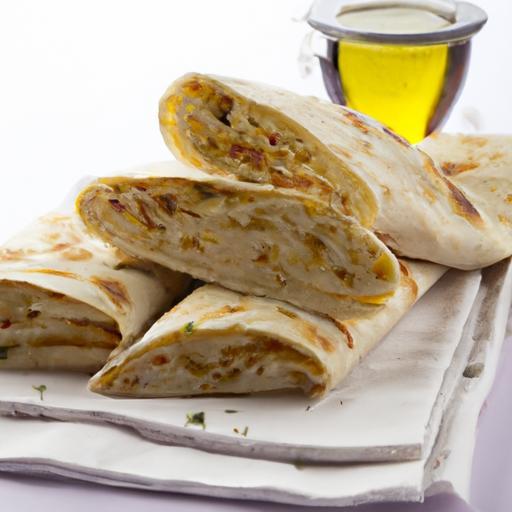
there’s something mesmerizing about the humble Lavash bread-thin, pliable, and deceptively simple. Yet, beneath its unassuming exterior lies a world of texture and flavor waiting to be unlocked. The age-old question arises: to toast or not to toast? While some swear by its soft, pillowy embrace, others rave about the satisfying crunch achieved through toasting. In this exploration, we delve deep into Lavash’s crispy secret, revealing how a touch of heat can transform this staple into a multi-sensory delight. Whether you’re a purist or a culinary adventurer, understanding when and how to toast Lavash might just change the way you savor this ancient bread forever.
To Toast or not? Unlocking Lavash Bread’s Crispy Secret begins with understanding how the magic of toasting transforms this humble flatbread into a delightfully crispy masterpiece. Originating from the heart of the Caucasus and Middle Eastern cuisines, lavash is traditionally soft and pliable. Yet, when toasted just right, it evolves into an irresistible snack with a satisfying crunch and flavor depth that elevates any meal.My first encounter with toasted lavash was at a bustling bazaar, where vendors sold shards of golden, crackling lavash that paired exquisitely with creamy dips.This simple yet transformative technique unlocks a culinary secret you’ll want to explore again and again.
Prep and Cook Time
- Planning: 5 minutes
- Cooking: 5-7 minutes
- Total Time: 10-12 minutes
Yield
Serves 4 as a crunchy snack or appetizer
Difficulty Level
Easy – Perfect for all skill levels
Ingredients
- 2 large sheets of lavash bread (about 10 x 14 inches each)
- 2 tablespoons olive oil or melted unsalted butter
- ½ teaspoon flaky sea salt
- Optional spices: ground sumac, smoked paprika, za’atar, or garlic powder (1/4 teaspoon each)
Instructions
- Preheat your oven to 375°F (190°C) or prepare a dry skillet on medium heat for stovetop toasting.
- Cut lavash sheets into triangles or strips using a sharp knife or pizza cutter for easy handling and even toasting.
- Brush lavash pieces evenly with olive oil or melted butter on both sides.This step is crucial to achieve that golden, crisp texture and toasting flavor.
- Sprinkle salt and your choice of optional spices over the lavash pieces, gently pressing the seasonings into the surface for enhanced flavor adherence.
- If using oven: Arrange lavash pieces in a single layer on a baking sheet lined with parchment paper. Toast for 5-7 minutes, flipping halfway through until edges are golden and crisp. Monitor closely to prevent burning.
- If using stovetop: Place lavash pieces in a dry skillet (avoid overcrowding) and toast over medium heat 2-3 minutes per side or until crispy and golden, flipping carefully with tongs.
- Remove from heat and let them cool slightly-lavash crisps further as it cools.
Chef’s Notes and Tips for Success
- For uniform crispiness, ensure the lavash pieces are brushed thinly but thoroughly with oil-too much can cause sogginess.
- Experiment with spice blends: a sprinkle of za’atar or smoked paprika enhances the toasty aroma and adds regional flair.
- Store any leftovers in an airtight container to maintain crunch; re-toast briefly if they lose crispness.
- For a gluten-free alternative, experiment with gluten-free flatbreads toasted similarly.
- To avoid uneven toasting, keep a close eye in the last few minutes; lavash burns quickly due to its thinness.
Serving Suggestions
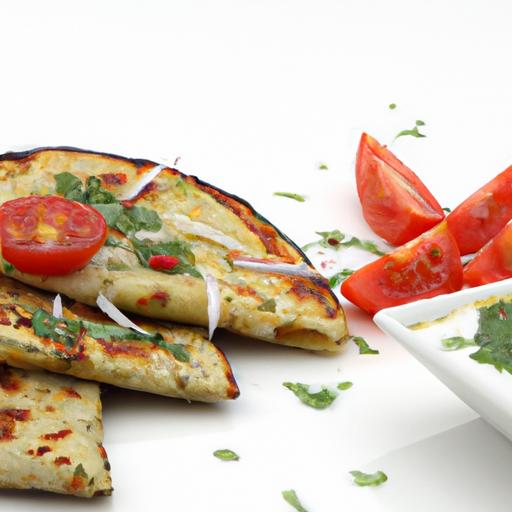
These golden shards are incredibly versatile-serve them as a crunchy base for creamy dips like hummus, baba ganoush, or tzatziki. Use them as bread substitutes for open-faced sandwiches topped with fresh herbs, labneh, and cherry tomatoes. For a fun party snack, toss toasted lavash with za’atar and a drizzle of lemon juice, then layer with roasted red peppers and feta cheese.garnishing with microgreens or a pinch of fresh sumac adds a pop of color and tang that invites bites with every crunch.

| Nutrient | Per Serving (approx.) |
|---|---|
| Calories | 150 |
| Protein | 3 g |
| Carbohydrates | 25 g |
| Fat | 5 g |
Mastering the art of crispiness: Best Techniques for Perfectly Toasted Lavash
unlocking the full potential of lavash’s crispy texture requires more than just heat-it’s about controlling moisture and the surface contact. Whether you opt for oven-toasting or stovetop crisping,thin,even pieces are essential to achieving a uniform crunch without burnt edges.Using a light coating of olive oil enhances browning through the Maillard reaction, which simultaneously develops deeper flavor notes and that satisfying crunch. Avoid stacking pieces during cooking to promote airflow and even heat distribution-this technique is the secret behind professional food stylists’ perfectly toasted lavash chips, capturing the ideal balance between brittle crispness and a subtle chew. For the most consistent results, consider flipping pieces frequently during stovetop toasting to prevent hot spots from forming.
Creative Ways to Enjoy Your Crispy Lavash
Beyond serving these toasted lavash pieces as simple snacks, think of them as flavor conveyors in your culinary toolkit. Crumble them like croutons over salads for an added textural contrast or ground into coarse crumbs as a crunchy coating alternative for baked vegetables and cheeses. Infuse them with global flavors by brushing lavash with garlic-infused oil or dusting with exotic spice mixes like harissa or coriander cumin blend before toasting. Pair visually striking vibrant dips such as beet hummus or avocado crema for an irresistible snack platter. The crispiness serves as a playful foil to creamy textures and fresh, juicy ingredients, bringing layers of mouthfeel and flavor to any dish you create.
For further inspiration, explore our Za’atar Flatbread Crispies recipe or visit Serious Eats’ science of crispiness for an in-depth look into how texture defines flavor enjoyment.
Q&A
Q&A: To Toast or Not? Unlocking Lavash Bread’s Crispy Secret
Q1: what makes lavash bread unique compared to other flatbreads?
A1: Lavash is a thin, soft flatbread traditionally baked in a tandoor or clay oven, which gives it a delicate, pliable texture straight from the oven.Unlike thicker flatbreads, its paper-thin nature lends itself beautifully to both soft wraps and crisp crackers, making it versatile in texture and use.
Q2: Why would someone want to toast lavash bread?
A2: Toasting lavash transforms it from a soft, flexible bread into a delightfully crispy snack or base. The process enhances its nutty, toasty flavor while adding a satisfying crunch. This crispness makes it ideal for scooping dips, layering with toppings, or enjoying as a light snack on its own.
Q3: What’s the best way to toast lavash bread to achieve that perfect crisp?
A3: For an evenly crisp result,tear or cut the lavash into triangles or strips,then lightly brush them with olive oil and sprinkle with salt or desired herbs. Toast them in a preheated oven at 350°F (175°C) for about 5-7 minutes,watching closely to prevent burning. Alternatively, a dry skillet over medium heat can toast pieces quickly with that irresistible smoky edge.
Q4: Can toasted lavash bread be stored? If so, how?
A4: Absolutely! Once cooled, toasted lavash crisps can be stored in an airtight container at room temperature for up to a week. This keeps them crunchy and ready for whenever cravings strike or entertaining calls for a crisp, homemade chip.
Q5: What are some creative ways to enjoy toasted lavash?
A5: Toasted lavash is a canvas for creativity! Use it as a base for colorful Mediterranean-inspired toppings like hummus, roasted vegetables, and feta cheese. Or crumble it over salads for extra crunch. It pairs wonderfully with nut butters and honey for a warm, cozy snack, too.
Q6: Is toasting lavash the only way to enjoy its texture?
A6: Not at all! Fresh lavash shines when steamed or warmed and wrapped around fresh herbs, grilled veggies, or spicy spreads. Its soft texture contrasts beautifully with crunchy fillings, offering a range of sensory delights-from soft and chewy to crispy and crackly.
Q7: Does toasting lavash affect its nutritional value?
A7: Toasting primarily changes texture and flavor rather than nutritional content. However, adding oils or seasonings during toasting can alter calorie content, so it’s best to toast with minimal oil if you’re watching your intake. The wholesome ingredients in lavash-typically flour, water, salt, and sometimes yeast or sourdough-remain largely intact.
Q8: How can toasting lavash elevate everyday meals?
A8: Toasted lavash can replace chips or breadsticks with a lighter, less oily option, raising the sophistication of dips and spreads. Its thin crispness adds textural contrast to soups or salads, turning simple meals into memorable culinary experiences. It’s an easy way to add crunch and charm without fuss.
Q9: is lavash suitable for toasting even when store-bought?
A9: Yes! Store-bought lavash works beautifully for toasting, just ensure it’s fresh and pliable before baking. If it’s a bit stiff, quickly warming it before toasting can help achieve a more delicate crisp. This makes toasting lavash an accessible technique for any kitchen.Q10: Canasting lavash provide a gluten-free or alternative grain option?
A10: Traditional lavash is made with wheat flour, but gluten-free versions made from alternative flours like chickpea or rice flour exist in specialty stores or homemade recipes. These can also be toasted to crispy perfection, catering to various dietary preferences while unlocking lavash’s crunchy magic.
wrapping Up
Whether you choose to embrace the warm, toasty crunch or savor lavash bread in its soft, pliable form, understanding its unique structure opens a whole new world of culinary possibilities.Toasting lavash transforms this ancient flatbread into a crispy canvas-perfect for dipping, layering, or snacking-unlocking textures and flavors that might otherwise remain hidden. So next time you find yourself debating “to toast or not,” remember: in lavash’s simple layers lies a secret waiting to be cracked, inviting you to explore the art of crispiness with every bite.