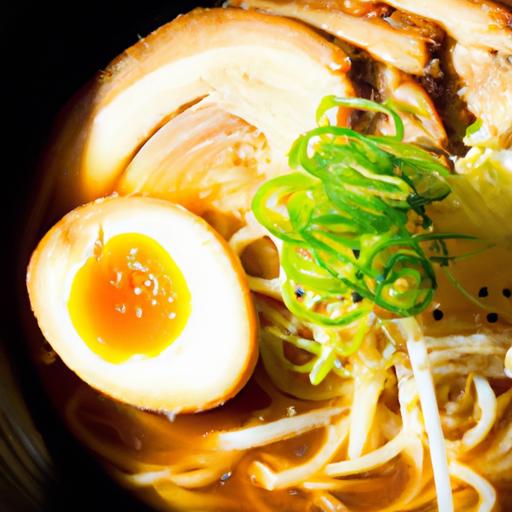




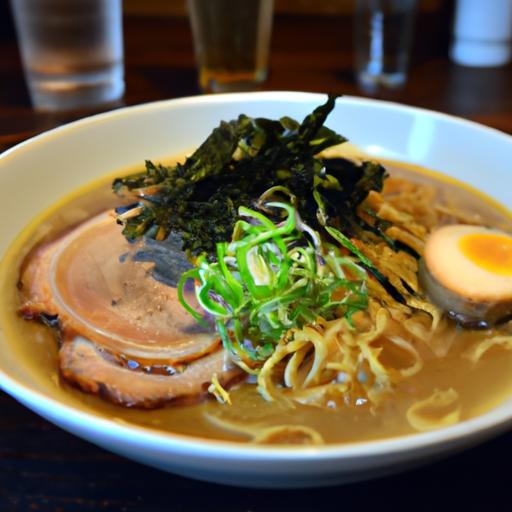
Nestled in teh scenic landscapes of Fukushima Prefecture, Kitakata is more than just a charming town-it’s the birthplace of one of Japan’s most beloved noodle treasures. kitakata ramen, with its delicate yet savory broth, springy flat noodles, and artful simplicity, has earned a revered spot in the pantheon of Japanese culinary traditions. Beyond a mere dish, it tells a story woven from local history, culture, and craft. join us as we unravel the whisked broth and tender noodles, unveiling the rich heritage and timeless allure behind Kitakata ramen, Japan’s iconic noodle tradition.
kitakata Ramen is a treasured culinary jewel from Fukushima, offering a soul-soothing bowl that celebrates simplicity and artisan craftsmanship. With its origins rooted in the scenic city of Kitakata, this noodle tradition has long enchanted locals and travelers alike with its distinctive chewy noodles and clarity of flavor. My first encounter with Kitakata Ramen was a revelation-each slurp wrapped in umami-rich broth and perfectly textured noodles that felt like a warm embrace on a chilly day. This dish embodies the spirit of regional Japanese ramen, where time-honored techniques meet a delicate balance of taste and texture.
The Art of Crafting Kitakata Noodles: Techniques and Ingredients That Define the Perfect Bowl
One cannot understand the allure of Kitakata Ramen without appreciating its noodles, which are the pride of this regional specialty. Unlike the springier strands found elsewhere, kitakata noodles are characteristically flat, wide, and slightly curly, made with a unique alkaline water called kansui.This vital ingredient gives the noodles their signature firmness and elasticity,offering a delightful chew without overwhelming the palate.
The planning process emphasizes patient kneading and resting, allowing gluten to develop fully and texture to harmonize. Flour selection is also critical-typically a medium-protein all-purpose variety blended with a touch of cake or rice flour to soften the bite.
prep and Cook Time
- Prep Time: 45 minutes (includes dough resting)
- Cook Time: 30 minutes
Yield
- Serves 4 hearty portions
Difficulty Level
- Medium – Requires some kneading skill and broth preparation
Ingredients
- For the Noodles:
- 2 cups all-purpose flour,sifted
- 1/2 cup cake flour (or substitute with rice flour)
- 1 tsp baking soda (as kansui substitute)
- 2/3 cup water,lukewarm
- 1/2 tsp salt
- For the Broth:
- 6 cups chicken broth,homemade or low-sodium store-bought
- 1 cup dried shiitake mushrooms,soaked until soft
- 3 cloves garlic,smashed
- 1-inch piece ginger,sliced
- 2 green onions,white parts only
- 3 tbsp soy sauce
- 1 tbsp mirin (sweet rice seasoning)
- 1 tsp sea salt (adjust to taste)
- 2 tbsp vegetable oil
- For the Toppings:
- Soft boiled eggs (ajitsuke tamago),halved
- Chopped green onions
- Menma (fermented bamboo shoots)
- Sliced roasted chicken breast or tofu (for protein option)
- Fresh spinach leaves,blanched
Instructions
- Prepare the noodle dough: Combine the sifted flours and baking soda in a large bowl. Dissolve the salt into lukewarm water, then slowly pour into the flour mixture.
- knead until smooth: Use your hands or a stand mixer fitted with a dough hook to knead for about 10 minutes until the dough is firm and elastic. Wrap in plastic and let rest for 30 minutes at room temperature.
- Roll and cut noodles: Divide the dough into manageable portions. Roll each portion into a thin rectangle (about 1/8 inch thickness). Use a sharp knife or pasta cutter to slice into strips roughly 1/4 inch wide. Dust with flour to prevent sticking.
- Simmer broth base: In a large pot, heat vegetable oil over medium heat. Sauté garlic, ginger, and white parts of green onion until fragrant, about 2 minutes.
- add broth and mushrooms: Pour in chicken broth and rehydrated shiitake mushrooms. Bring to a gentle boil, then reduce heat and simmer for 20 minutes to infuse flavor.
- Season the broth: Stir in soy sauce, mirin, and sea salt. Taste and adjust seasoning as necessary.
- Cook noodles: Bring a separate pot of water to a boil. Add noodles and cook for 2-3 minutes until al dente. Drain and rinse briefly under cold water to stop cooking and remove excess starch.
- Assemble the bowls: Divide noodles evenly into serving bowls.Ladle hot broth over noodles,ensuring shiitake mushrooms and aromatics accompany each bowl.
- Top creatively: Garnish with halved soft-boiled eggs, chopped green onions, menma, spinach, and your choice of sliced roasted chicken or tofu.
Chef’s Notes: Tips for Success
- for authentic texture, use baking soda baked at 120°C (250°F) for an hour to create kansui substitute at home.
- Allowing the noodle dough to rest is key for gluten progress-avoid rushing this step.
- Broth can be made a day ahead for deeper flavor; strain before serving.
- Vegetarians can easily swap chicken broth for a rich vegetable stock infused with dried shiitake and kombu (kelp).
- For extra umami, add a few drops of toasted sesame oil to the broth just before serving.
Serving Suggestions
Serve kitakata Ramen steaming hot in deep ceramic bowls to retain warmth. Emphasize balance by pairing the chewy noodles with the clear yet flavorful broth. Add a sprinkle of freshly cracked black pepper or a touch of shichimi togarashi (seven-spice blend) for subtle heat. Accompany with crisp pickled vegetables or a light cucumber salad for contrast.
For a visually captivating presentation, layer toppings neatly: arrange halved eggs and menma on one side, greens on another, with tender protein slices offset to pop against the golden broth. A small bamboo mat or rustic wooden table setting enhances the traditional aesthetic, inviting guests to savor each nuanced bite.
| Nutrient | per Serving |
|---|---|
| Calories | 420 kcal |
| Protein | 28 g |
| Carbohydrates | 45 g |
| Fat | 8 g |

For those intrigued by Japan’s ramen traditions, exploring varied regional styles like Kitakata ramen offers profound insight. Discover more about the diverse ramen landscapes of Japan and their unique identities.For an authoritative overview of ramen noodle techniques, the Japan Guide on Ramen is an excellent resource.
Q&A
Q&A: Kitakata Ramen – Japan’s Iconic Noodle Tradition Unveiled
Q1: What makes Kitakata ramen stand out among Japan’s many regional noodle dishes?
A1: Kitakata ramen is renowned for its uniquely chewy, flat, and curly noodles, combined with a clear and light soy-based broth that bursts with umami. Unlike richer ramen varieties, its simplicity highlights texture and subtle flavor, creating a comforting bowl that has captured hearts nationwide.Q2: Where does Kitakata ramen originate, and why is it so beloved there?
A2: Hailing from Kitakata City in Fukushima Prefecture, this ramen reflects the region’s weather and culture. The hearty noodles were originally designed to warm locals during cold winters, while the gentle broth soothes the palate. Over time, it became a culinary emblem of Kitakata’s communal spirit and dedication to craftsmanship.
Q3: How are the signature noodles of Kitakata ramen crafted?
A3: The noodles are traditionally hand-cut from a dough blend of wheat flour and a special alkaline solution, which gives them a springy texture and slightly slippery bite. their wide, flat, and curly shape helps carry the broth beautifully, making every slurp a textural delight.
Q4: What defines the broth in Kitakata ramen?
A4: The broth is a clear, amber-hued soy sauce base, carefully simmered to balance savory and sweet notes without overpowering the noodles. It’s frequently enough prepared with a blend of vegetables, seaweed, and dried fish stock, resulting in a gentle depth that complements the noodles’ chewiness.
Q5: What toppings are traditional in a bowl of Kitakata ramen?
A5: Typical toppings include tender slices of chicken or fish cake, fresh scallions, bamboo shoots, and a soft-boiled egg. These ingredients add layers of flavor and texture while maintaining the dish’s clean and approachable profile.
Q6: Why has Kitakata ramen maintained its popularity for over a century?
A6: Its enduring appeal lies in a masterful balance: simple yet satisfying ingredients, a respectful nod to tradition, and a bowl that reflects the warmth and humility of its hometown. It’s a testament to how culinary heritage can thrive by honoring quality and community taste.
Q7: Can Kitakata ramen be enjoyed outside Japan?
A7: Yes! While authentic experience is best savored in Kitakata City’s countless ramen shops, many international eateries now celebrate this delicacy. Home cooks, too, replicate the noodles and broth following traditional recipes, bringing a taste of Fukushima’s beloved dish to tables worldwide.
Q8: How does Kitakata ramen fit into Japan’s broader ramen culture?
A8: Within Japan’s diverse ramen landscape, Kitakata ramen is celebrated for its understated elegance. It contrasts with the rich, oily broths found elsewhere by emphasizing purity of flavor and noodle craftsmanship, offering a unique glimpse into regional culinary pride.
Q9: Are there seasonal variations or special ways to enjoy Kitakata ramen?
A9: While the core components remain consistent, some chefs incorporate seasonal vegetables or subtle flavor enhancements to reflect the changing seasons.Whether enjoyed piping hot in winter or lighter during spring, Kitakata ramen adapts subtly while staying true to its roots.
Q10: What’s a good way for first-timers to appreciate Kitakata ramen fully?
A10: Approach each bowl mindfully-slurp the noodles to experience their perfect chew, savor the delicate broth, and enjoy how the toppings interplay with the base flavors. It’s a sensory journey that tells a story of place, tradition, and the joy of simple yet refined cooking.
Concluding Remarks
As the steam rises from a bowl of Kitakata ramen, so too does a story steeped in time, taste, and tradition. This humble yet hearty noodle soup is more than just a meal-it’s a cultural emblem, a tasty thread woven into the fabric of Japan’s culinary heritage. From its delicate, chewy noodles to the rich soy-based broth and tender chashu, every slurp tells a tale of craftsmanship and regional pride.Whether you find yourself wandering the streets of Kitakata city or recreating the experience at home, embracing this iconic ramen tradition invites you to savor a genuine slice of Japan’s flavorful history-one bowl at a time.