




There’s something undeniably magical about the perfect sushi roll-the delicate balance of vinegared rice, fresh fillings, and a touch of wasabi, all wrapped neatly in crisp nori.While sushi may seem like an art reserved for skilled chefs behind a counter, mastering the art of homemade sushi rolls is more accessible than you might think. Whether you’re aiming to impress guests at your next dinner party or simply craving a hands-on culinary adventure, this step-by-step guide will walk you through the essentials of crafting beautiful, appetizing sushi rolls right in your own kitchen. Prepare to roll up your sleeves and dive into a world where creativity meets tradition, one bite at a time.
Master the Art of Homemade Sushi Rolls by selecting the freshest, most authentic ingredients and mastering the essential techniques that transform simple components into a culinary masterpiece.From the crisp snap of nori to the perfect seasoned sushi rice, each element contributes to a sushi roll bursting with vibrant flavor and texture. Whether you’re crafting traditional rolls like California or spicy tuna, or exploring creative combinations that showcase your twist, this guide will set you on the path to rolling like a pro and plating your sushi with artful finesse.
Prep and Cook Time
- Preparation: 30 minutes
- Cooking: 15 minutes (rice cooking and cooling)
- Total Time: Approximately 45 minutes
Yield
- makes 4 sushi rolls (serves 4 as appetizers or 2-3 as a main course)
Difficulty Level
- Medium – Perfect for beginners ready to elevate their sushi skills
Choosing the Perfect Ingredients for Authentic Sushi Flavor
The foundation of exceptional sushi lies in ingredient quality.Start with short-grain Japanese sushi rice, prized for its sticky texture, perfect for rolling. Season with a delicate blend of rice vinegar, sugar, and salt to achieve that hallmark balance of tang and sweetness. Freshness is non-negotiable: seek sashimi-grade fish like tuna,salmon,or yellowtail from a trusted fishmonger; alternatively,opt for cooked options like tempura shrimp or kani (imitation crab). Don’t overlook nori sheets-the roasted seaweed wrap that lends both structure and umami flavor.
Complement your fillings with crisp cucumber, creamy avocado, and pickled ginger, and brighten any roll with a sprinkle of toasted sesame seeds or a drizzle of unagi sauce. These elements combine texture and flavor, enhancing the sushi experience with each bite.
essential Tools and Techniques for Rolling like a Pro
Your journey to flawless sushi rolls begins with simple but essential tools: a bamboo sushi mat (makisu) for even rolling, a sharp knife for clean slicing, and a bowl of water mixed with a touch of rice vinegar to moisten your fingers to prevent sticking. When spreading the rice, use a gentle, dabbing motion to ensure an even layer without crushing the grains.
Master the technique by placing your nori shiny side down on the mat; spread sushi rice evenly, leaving a 1-inch margin at the top edge to seal the roll. Position your fillings strategically near the edge closest to you. Using the bamboo mat, roll tightly but gently, applying even pressure to shape a compact cylinder. Practice will transform your rolls from charmingly rustic to sleek and professional-looking creations.
Crafting Classic and Creative Filling Combinations
Start with beloved classics like California Roll (imitation crab, avocado, cucumber) or Spicy Tuna Roll (fresh tuna mixed with spicy mayo and scallions). once cozy,elevate your repertoire with creative combos such as grilled eel with cucumber and tempura flakes for crunch,or mango paired with smoked salmon and cream cheese for a silky-sweet twist.
Balance rich and light textures in every roll: combine creamy avocado or rich mayo-based sauces with crisp vegetables or crunchy tempura bits. Fresh herbs like shiso leaves add an unexpected brightness, while a hint of pickled daikon can provide tart contrast.The possibilities are limited only by your creativity!
Presentation Tips to Impress with Every Sushi Roll
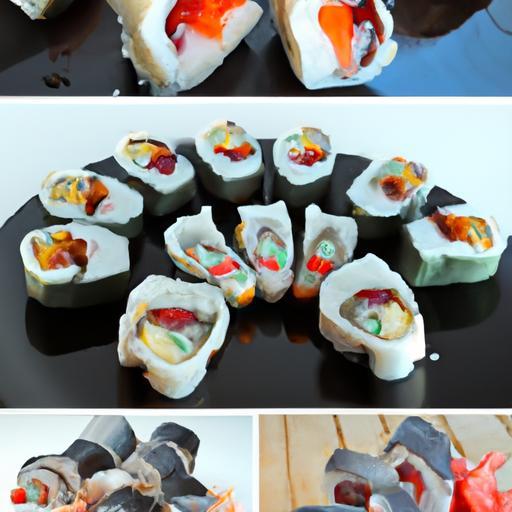
Serving sushi is an art form itself. Slice your roll with a wet,sharp knife to achieve clean,smooth cuts that reveal the vibrant cross-section. Arrange pieces neatly on a long rectangular platter for visual impact.Garnish with thin slices of lemon, wasabi shaped into delicate peaks, and pickled ginger curls to awaken the palate and enhance color contrast.
For an elegant flourish, sprinkle toasted sesame seeds or finely chopped chives over the top, or serve alongside small bowls of soy sauce and spicy mayo for dipping. A bamboo leaf or a sprig of microgreens can lend a natural and inviting touch, turning your homemade sushi rolls into a feast for both eyes and taste buds.
Ingredients
- 2 cups sushi rice (short-grain Japanese rice)
- 2 ½ cups water (for cooking rice)
- ⅓ cup rice vinegar
- 3 tbsp granulated sugar
- 1 tsp salt
- 4 sheets nori (roasted seaweed)
- 6 oz sashimi-grade tuna or salmon, thinly sliced
- 1 small cucumber, julienned
- 1 ripe avocado, sliced
- 4 tbsp cream cheese (optional)
- 2 tbsp toasted sesame seeds
- Pickled ginger, wasabi, and soy sauce for serving
Instructions
- Rinse the sushi rice under cold water until the water runs clear, then drain well to remove excess starch.
- Cook the rice with 2 ½ cups water in a rice cooker or pot. Once cooked, let it rest covered for 10 minutes.
- Prepare sushi vinegar by heating rice vinegar, sugar, and salt in a small saucepan until dissolved. Allow to cool.
- Transfer cooked rice to a wide wooden or plastic bowl. Gradually fold in the sushi vinegar with a wooden spatula, fanning the rice simultaneously to cool and create a shiny glaze.
- Prepare your fillings by slicing fish thinly and julienning cucumber and avocado for smooth rolling.
- Place a bamboo mat on a clean surface, then lay one nori sheet shiny side down.
- Wet your fingers with vinegar water and spread a thin, even layer of rice, leaving a 1-inch margin at the top edge.
- Arrange fillings in a neat line about 1 inch from the bottom edge over the rice.
- Roll sushi tightly with the bamboo mat,pressing gently but firmly to seal. Use the uncovered edge of nori to close the roll.
- Slice the roll into 6-8 equal pieces using a sharp knife dipped in water between cuts.
- Repeat with remaining ingredients to create additional rolls.
- Serve immediately with soy sauce, wasabi, and pickled ginger.
Chef’s Notes
- Use sashimi-grade fish only for raw fillings to ensure safety and freshness.
- For extra stickiness, slightly warm the sushi rice before spreading it on the nori.
- Substitute cream cheese with tofu for a dairy-free creamy texture.
- Chill your rolls briefly in the refrigerator before slicing for cleaner cuts.
- Practice makes perfect: don’t be discouraged if your first few rolls aren’t perfectly tight.
Serving Suggestions
Arrange sushi rolls on a long platter, alternating colors and textures for maximum visual appeal. Add a small mound of pickled ginger and wasabi for palate cleansing. Garnish with a sprinkle of toasted sesame seeds or finely julienned carrots for added crunch and vibrant color. Pair with chilled green tea or sake to elevate the culinary experience further.
| Nutrient | Per Serving (2 rolls) |
|---|---|
| Calories | 320 kcal |
| Protein | 20 g |
| Carbohydrates | 40 g |
| Fat | 5 g |

for additional sushi techniques and recipes, explore our Japanese Cooking Basics guide. To ensure the highest quality and safety standards of your seafood ingredients, visit the FDA Seafood Guidance.
Q&A
Q&A: Master the Art of Homemade Sushi Rolls – A Step-by-Step Guide
Q1: What makes homemade sushi rolls more rewarding than buying them from a restaurant?
A1: Crafting sushi rolls at home offers a unique blend of creativity, mindfulness, and personalization. you get to handpick every ingredient, experiment with flavors and textures, and enjoy the satisfying process of rolling your own sushi.Plus, homemade sushi is a fresh, fun experience that connects you to the rich tradition behind this iconic Japanese dish.
Q2: Which sushi rice should I use, and how do I prepare it perfectly?
A2: Use short-grain Japanese sushi rice, known for its sticky, slightly sweet consistency. rinse the rice several times until the water runs clear to remove excess starch. Cook it with the right water ratio, then season with a mix of rice vinegar, sugar, and salt while it’s still warm. gently fold the seasoning in to keep each grain glossy and separate-this is the foundation of great sushi rolls.
Q3: What are some essential tools for making sushi at home?
A3: Start with a bamboo sushi rolling mat (makisu) for tight, even rolls.A sharp knife is essential for clean cuts without squashing the roll.You’ll also want a wooden or plastic rice paddle (shamoji) to handle the rice without sticking, and a bowl of water mixed with a little rice vinegar to keep your hands moist and prevent sticking while working.Q4: How do I choose fresh fish and other filling ingredients?
A4: For sushi-grade fish, source from a trusted fishmonger who labels their seafood “sushi grade” or “sashimi quality.” Look for bright, moist flesh with a fresh ocean scent. Besides fish, fresh vegetables like cucumber, avocado, and radish add crunch and color. Tofu, egg (tamago), and pickled veggies can also make delightful vegetarian fillings.
Q5: What’s the secret to rolling sushi tightly without squishing the ingredients?
A5: The key is balance-spread the rice evenly but not too thick,leaving a border of nori exposed on the edge. Place fillings in a neat line, then use gentle, consistent pressure with the bamboo mat when rolling.Use your fingers to tuck ingredients in as you roll, ensuring a compact but fluffy texture that holds together when sliced.
Q6: Can I make sushi rolls without raw fish?
A6: Absolutely! Vegetarian and cooked options can be just as delicious. Think grilled eel (unagi), tempura vegetables, crab sticks (imitation crab), or marinated mushrooms. You can also experiment with creative fillings like smoked salmon, cream cheese, or mango for a refreshing twist.
Q7: how should I slice sushi rolls for the perfect presentation?
A7: Use a very sharp knife dipped in water between cuts to prevent sticking. Slice the roll into even pieces by cutting in one smooth motion, rather than pressing down repeatedly. Aim for bite-sized pieces that showcase a beautiful cross-section of your vibrant ingredients.
Q8: What sauces and accompaniments enhance the sushi experience?
A8: Classic accompaniments include soy sauce for dipping, fresh wasabi for a spicy kick, and pickled ginger to cleanse the palate between bites. You can sprinkle toasted sesame seeds or drizzle a bit of spicy mayo or eel sauce to elevate flavor layers without overwhelming the delicate sushi roll.
Q9: How can beginners improve their sushi rolling skills?
A9: Practice makes perfect! Start with simple rolls like cucumber or avocado before moving on to more complex combinations. Watch tutorial videos, experiment with different ingredients, and don’t be afraid of a few imperfect rolls-they frequently enough taste better than they look. Over time, your rythm, knife skills, and ingredient choices will develop naturally.
Q10: What’s a fun way to serve homemade sushi rolls for a gathering?
A10: create a sushi roll bar! lay out various nori sheets, rice, fillings, and sauces, and invite guests to build their own rolls. This interactive setup turns sushi making into a lively, hands-on experience filled with creativity and shared joy-perfect for parties or family dinners.
Ready your bamboo mat, sharpen your knives, and dive into the vibrant world of homemade sushi rolls-where every roll is a delicious masterpiece crafted by you!
In Summary
Embarking on the journey of crafting homemade sushi rolls transforms a simple meal into a mindful art form. With every slice of fresh fish, every perfectly seasoned grain of rice, and every gentle roll, you not only nourish your body but also awaken your creativity and patience. mastering the art of sushi at home invites you to explore endless flavor combinations, embrace cultural traditions, and share unforgettable moments with loved ones. So gather your ingredients, sharpen your knife, and let each roll be a delicious testament to your growing skills. Sushi-making isn’t just cooking-it’s a festivity of craftsmanship you can savor bite by bite.