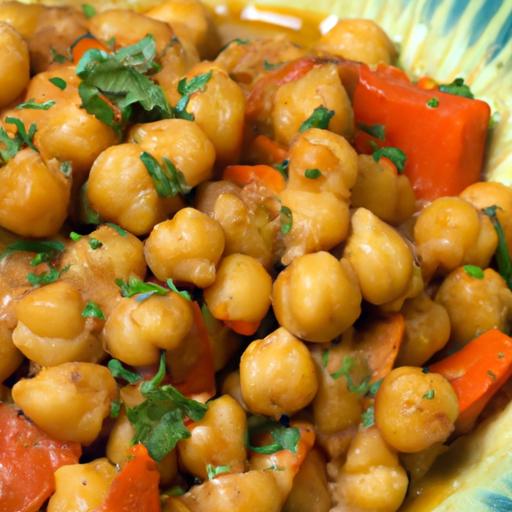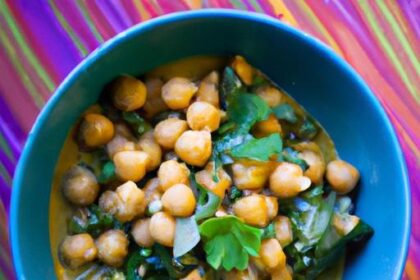



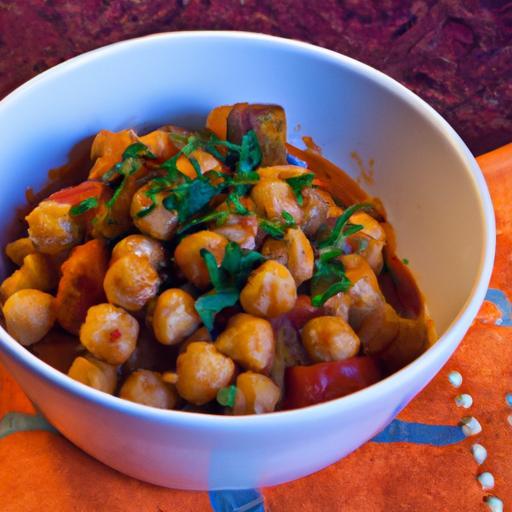
In the vibrant tapestry of North African cuisine, few dishes capture the heart and soul quite like a hearty Moroccan chickpea stew. Brimming with warm spices, tender vegetables, and the comforting richness of slow-simmered flavors, this classic stew is more than just a meal-it’s a fragrant journey through bustling souks and sun-soaked medinas. Each spoonful tells a story of tradition, community, and the art of blending simple ingredients into something unusual. Whether savored on a cool evening or shared among friends, this flavorful Moroccan chickpea stew invites you to experience the essence of a culinary heritage that has delighted palates for centuries.
Hearty Moroccan Chickpea Stew invites you into a world of bold North african flavors where fragrant spices mingle with wholesome ingredients to create a soul-warming dish steeped in tradition. This beloved stew, deeply rooted in Moroccan culinary heritage, showcases chickpeas as a superstar ingredient, simmered alongside tender vegetables and a complex spice blend that tells a story of desert caravans and bustling souks.Whether you’re seeking comfort on a chilly evening or aiming to impress with an authentic taste of Morocco, this stew brings vibrant, nourishing goodness to your kitchen table.
Prep and Cook Time
- Prep: 20 minutes
- Cook: 45 minutes
- Total: 1 hour 5 minutes
Yield
Serves 4 hearty portions
Difficulty Level
Easy to Medium – perfect for both novice and experienced home cooks
Ingredients
- 2 tablespoons olive oil – for sautéing
- 1 large onion, finely chopped
- 3 garlic cloves, minced
- 1 large carrot, diced
- 1 red bell pepper, diced
- 2 teaspoons ground cumin
- 1 ½ teaspoons ground coriander
- 1 teaspoon smoked paprika
- 1 teaspoon ground turmeric
- ½ teaspoon ground cinnamon
- ¼ teaspoon cayenne pepper (optional for gentle heat)
- 1 (14 oz) can diced tomatoes, undrained
- 2 (15 oz) cans chickpeas, drained and rinsed
- 3 cups vegetable broth (low sodium preferred)
- 1 small preserved lemon, finely chopped (optional but traditional)
- Fresh cilantro or flat-leaf parsley, chopped for garnish
- Salt and freshly ground black pepper, to taste
instructions
- Heat the olive oil in a large, heavy-bottomed pot over medium heat. Add the chopped onion and sauté until translucent and fragrant, about 5 minutes.
- Add the minced garlic, diced carrot, and red pepper, stirring well. Cook for 4-5 minutes until vegetables soften slightly but retain some bite.
- Sprinkle in the ground cumin, coriander, smoked paprika, turmeric, cinnamon, and cayenne pepper. Stir continuously for 1-2 minutes to toast the spices gently and unlock their aromatic oils, creating a fragrant base.
- Pour in the canned diced tomatoes with their juice and stir to combine. Let the mixture come to a light simmer, cooking for about 8 minutes to meld flavors and reduce excess liquid slightly.
- Add the chickpeas and vegetable broth. Stir well, scraping any spices off the bottom of the pot. Bring to a gentle boil, then reduce heat to low and cover partially.
- Simmer uncovered for 30 minutes. The stew will thicken as the flavors deepen. stir occasionally to prevent sticking.
- Stir in the chopped preserved lemon, adding a nuanced tang and signature Moroccan touch. Season with salt and freshly ground black pepper to taste.If needed, simmer a few extra minutes to balance flavors.
- Ladle the stew into warm bowls, garnishing generously with fresh cilantro or parsley. serve hot for the most comforting experience.
Tips for success
- Spice Balance: Adjust the cayenne pepper quantity to suit your heat preference; start small to avoid overpowering the stew’s complex layers.
- Preserved Lemon Substitute: If unavailable, a teaspoon of lemon zest plus a splash of lemon juice adds brightness but lacks depth-try sourcing preserved lemons for authenticity.
- Make-Ahead: This stew tastes even better the next day! Prepare in advance and refrigerate; simply reheat gently on the stovetop.
- Vegetable Variations: Feel free to add chopped zucchini, sweet potatoes, or spinach for extra texture and nutrients.
- Vegan-Amiable: this recipe is naturally plant-based and gluten-free, perfect for diverse diets.
Serving Suggestions
present your Moroccan chickpea stew alongside fluffy couscous or warm crusty whole-grain bread to soak up every glorious drop.Garnish with a scattering of toasted pine nuts or a dollop of creamy natural yogurt to add cool contrast. For a festive touch, a sprinkle of pomegranate seeds lends a jewel-like sparkle and subtle sweetness.
Pair this dish with simple side salads dressed in citrus and olive oil, or sautéed greens with garlic to round out your meal with bright, fresh flavors.

| Nutrient | Amount per Serving |
|---|---|
| Calories | 320 kcal |
| Protein | 14 g |
| Carbohydrates | 40 g |
| Fat | 8 g |
| Fiber | 10 g |
For a deeper dive into Moroccan culinary treasures,explore our moroccan Spiced Lamb Tagine recipe and learn how the magic of spices can transform any meal.To understand more about the historic role of preserved lemons in North African cuisine, visit Encyclopedia Britannica.
Q&A
Q&A: Hearty Moroccan Chickpea Stew – A Flavorful North African Classic
Q1: What makes the Moroccan Chickpea Stew so special compared to other stews?
A1: Moroccan Chickpea Stew is a vibrant tapestry of spices and textures that reflects the rich culinary heritage of North Africa. It combines warm spices like cumin, coriander, and cinnamon with tender chickpeas and a medley of vegetables, creating a harmonious balance of savory, sweet, and earthy flavors that dance on the palate.this stew not only comforts but also excites with every spoonful.Q2: Which key ingredients define the authentic flavor of this stew?
A2: At the heart of this stew are chickpeas-nutritious and filling-paired with tomatoes, onions, garlic, and a robust blend of spices such as cumin, ginger, paprika, and cinnamon. Fresh herbs like cilantro and parsley add brightness,while preserved lemons and olives sometimes join the party for their distinctive tang and depth,delivering that unmistakable North African essence.
Q3: How do the spices in Moroccan chickpea stew contribute to its complexity?
A3: The spices are the soul of the stew. Cumin imparts a smoky earthiness, coriander brings a citrusy note, cinnamon adds a subtle sweetness, and ginger offers warmth and zing. Together, they create layers of flavor that evolve as the stew simmers, transforming humble ingredients into something truly magical and deeply satisfying.
Q4: Is this stew suitable for vegetarians and vegans?
A4: Absolutely! This chickpea stew is naturally plant-based, making it a delicious and wholesome option for vegetarians and vegans alike. It packs protein, fiber, and flavor into every bowl without the need for animal products, proving that hearty, satisfying meals can be entirely plant-powered.
Q5: What are some traditional ways to serve Moroccan chickpea stew?
A5: Traditionally, the stew is ladled over fluffy couscous or served alongside warm, crusty bread for dipping. Some enjoy it with steamed rice or flatbreads like khobz. A dollop of cooling yogurt (plant-based if preferred) on top adds creaminess, while a sprinkle of fresh herbs brightens the dish before serving.
Q6: Can this stew be adapted for rapid cooking without losing its essence?
A6: Yes! While slow simmering deepens the flavors, using canned chickpeas and ready-made tomato products can cut down prep time substantially. A pressure cooker or instant pot can also help meld the spices and textures quickly, delivering a soulful meal even on busy days.
Q7: What health benefits does Moroccan Chickpea Stew offer?
A7: Beyond being a flavorful feast, this stew is a nutritional powerhouse. Chickpeas provide plant-based protein and fiber, aiding digestion and satiety. The blend of spices has anti-inflammatory and antioxidant properties, and the vegetables contribute essential vitamins and minerals, making the stew both hearty and healthful.
Q8: Are there regional variations of chickpea stew in Morocco?
A8: Indeed, variations abound! Some versions incorporate sweet potatoes or carrots for added sweetness and texture, while others highlight the tartness of preserved lemons or the briny kick of green olives. each region, and even each household, may tweak the spice ratio or add unique ingredients, showcasing the diverse flavors that Moroccan cuisine celebrates.
Q9: How can cooks balance the spices to suit personal taste?
A9: Start with small amounts of strong spices like cinnamon and ginger, gradually increasing to preference. fresh herbs and citrus elements can brighten and balance warm spices. Tasting as you cook and adjusting salt, spices, and acidity gives you full control to craft a stew that suits your palate perfectly.
Q10: What role do chickpeas play in Moroccan cuisine beyond this stew?
A10: Chickpeas are a culinary staple across Morocco, featured in salads, tagines, fried snacks like beghrir (Moroccan pancakes topped with spiced chickpeas), and even desserts. Their versatility and nutrition make them a beloved ingredient that anchors many traditional dishes, celebrated for both flavor and sustenance.
To Conclude
As the rich aromas of cinnamon, cumin, and smoked paprika linger in the kitchen, this hearty Moroccan chickpea stew reminds us that food is more than sustenance-it’s a journey through culture and tradition. Each spoonful offers a comforting embrace,blending the earthy chickpeas with vibrant spices that have been cherished across North Africa for centuries. Whether you’re seeking a nourishing weeknight meal or a flavorful introduction to Moroccan cuisine, this stew delivers warmth and depth in every bite. So, next time you want to transport your taste buds to sun-soaked souks and fragrant spice markets, let this classic recipe be your guide-proving that sometimes, the simplest ingredients create the most unforgettable stories.