




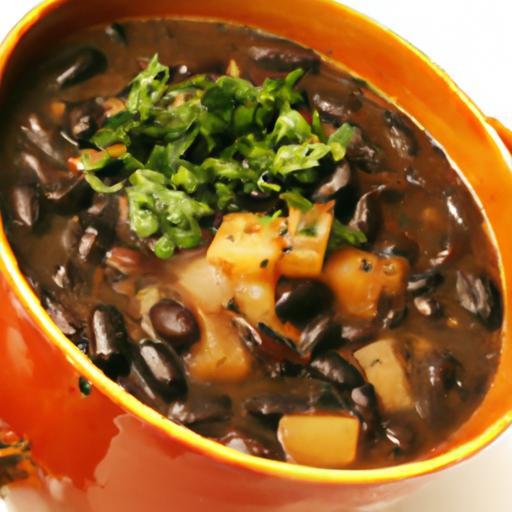
There’s something irresistibly comforting about a steaming bowl of Cuban black bean soup-a rich, hearty embrace that warms the soul and awakens the senses. Rooted deeply in the vibrant culinary traditions of Cuba, this classic recipe transforms humble ingredients into a symphony of bold flavors and satisfying textures. Whether you’re seeking a wholesome weeknight meal or a flavorful dish to share with friends and family, hearty Cuban black bean soup invites you to savor the essence of Caribbean cooking in every spoonful. Let’s dive into the story, secrets, and simple steps behind this beloved dish that has been cherished for generations.
Exploring the Rich History and Cultural Roots of Cuban Black Bean Soup
Hearty Cuban Black Bean Soup is more than just a comforting bowl of savory goodness – it’s a vibrant culinary tradition deeply woven into Cuba’s rich cultural tapestry. Originating from a blend of Indigenous, Spanish, and African influences, this classic soup represents the heart of Cuban home cooking.Black beans, a staple in Cuban kitchens, symbolize sustenance and community, reflecting centuries of resourceful cooking that transforms simple ingredients into soulful flavors. As a food stylist and culinary storyteller,I’ve always admired how every simmer can unlock layers of history and character,echoing tales of family gatherings,festive celebrations,and everyday nourishment.
Prep and Cook Time
- Preparation: 20 minutes
- Cooking: 1 hour 15 minutes
- Total Time: 1 hour 35 minutes
Yield
Serves 6 hearty portions
Difficulty Level
Medium – approachable with clear techniques, perfect for home cooks looking to deepen thier flavor-building skills.
Key Ingredients That Bring Authenticity to Your Hearty Cuban Black Bean Soup
- 2 cups dried black beans (rinsed and soaked overnight for tenderness)
- 1 large yellow onion, finely diced
- 1 green bell pepper, chopped
- 4 cloves of garlic, minced
- 1 teaspoon ground cumin
- 1 teaspoon smoked paprika
- 1/2 teaspoon dried oregano
- 1 bay leaf
- 4 cups vegetable broth (homemade or low sodium for enhanced flavor)
- 2 tablespoons olive oil
- 1 tablespoon apple cider vinegar (for a subtle brightness)
- Salt and black pepper, to taste
- Fresh cilantro, chopped (for garnish)
- Fresh lime wedges (optional, to serve)
- Optional: 1 chopped fresh tomato or 1/2 cup canned diced tomatoes for added depth
Step-by-Step Guide to Crafting the Perfect Flavorful Cuban Black Bean Soup
- Prepare the Beans: Soak your dried black beans overnight in plenty of cold water. This step ensures the beans cook evenly and melt into a creamy texture. Drain and rinse before cooking.
- Sauté the Aromatics: In a large heavy-bottomed pot, heat 2 tablespoons of olive oil over medium heat. Add the diced onion and sauté until translucent, about 5 minutes. Stir in the finely chopped green bell pepper and continue sautéing for another 3 minutes.
- Build the Base Flavor: Add the minced garlic, ground cumin, smoked paprika, oregano, and bay leaf. Cook for 2 minutes, stirring frequently, until the spices become fragrant and release their essential oils – this step unlocks the soul of the soup.
- Simmer the Beans: Add the soaked black beans to the pot, followed by the vegetable broth. Bring to a gentle boil, then reduce heat and simmer uncovered for 1 hour, stirring occasionally to prevent sticking. The beans should become tender but not mushy.
- Blend Partially for Creaminess: Remove about one-third of the soup and puree it using an immersion blender or regular blender. Return the purée to the pot to create a luscious, thick consistency while maintaining some whole beans for texture.
- Season and Brighten: Stir in the apple cider vinegar and season with salt and black pepper to taste. Taste and adjust seasoning as needed,making sure the soup balances earthiness with a slight tang.
- Final Simmer: let the soup cook for an additional 10 minutes on low heat to marry all the flavors fully. Remove the bay leaf before serving.
Tips and Tricks for Enhancing Texture and Depth in Your Classic Recipe
- Bean Soaking: If short on time, use the fast soak method - boil beans for 2 minutes, remove from heat, cover, and let soak for 1 hour before cooking.
- Layering Spices: Blooming the ground cumin and smoked paprika in olive oil with garlic and onions intensifies their aroma and flavor dramatically – don’t skip this step.
- texture Balance: Pureeing a portion of the soup creates a velvety body without sacrificing the satisfying bite of whole beans.
- Simmer low and Slow: Keep the heat gentle to avoid breaking beans completely and maintain a smooth, rich texture.
- Make-Ahead Magic: Like many legume-based dishes, this soup tastes even better the next day once the flavors meld. Store leftovers in an airtight container refrigerated for up to 4 days or freeze for up to 3 months.
- Fresh Herb Garnish: A sprinkle of fresh cilantro just before serving adds a burst of color and freshness.
- Acidity Boost: A squeeze of lime juice brightens up each bowl, balancing the soup’s richness beautifully.
Serving Suggestions
Present your hearty cuban black bean soup ladled into rustic bowls, garnished generously with freshly chopped cilantro and a lime wedge on the side. For a colorful touch, add diced ripe avocado or crispy toasted corn kernels. Serve alongside crusty bread or warm corn tortillas to soak up every flavorful spoonful. This soup pairs beautifully with a simple green salad dressed in citrus vinaigrette or a side of sautéed seasonal vegetables for a wholesome meal experience.

| Nutrient | Per Serving |
|---|---|
| Calories | 280 kcal |
| Protein | 15 g |
| Carbohydrates | 45 g |
| Fat | 5 g |
| Fiber | 12 g |
For a deeper dive into Cuban cuisine, explore our article on authentic Cuban plantain dishes. Learn more about the nutritional benefits of black beans at Harvard T.H. Chan School of Public Health.
Q&A
Q&A: Hearty Cuban Black Bean Soup – A Flavorful Classic Recipe
Q1: What makes Cuban black bean soup so special compared to other black bean soups?
A1: Cuban black bean soup stands out through its vibrant blend of spices and aromatics, notably the use of cumin, garlic, and bay leaves. The careful simmering process melds these flavors, creating a deeply comforting and soul-satisfying broth that’s both rich and slightly tangy, often finished with a splash of citrus or a dash of vinegar for brightness.
Q2: Which ingredients are essential for an authentic Cuban black bean soup?
A2: the core ingredients include dried black beans, yellow onions, bell peppers, garlic, cumin, oregano, and bay leaves. A touch of vinegar or lime juice at the end enhances the soup’s brightness. Using quality broth-vegetable or chicken-is vital to build depth, and fresh cilantro for garnish adds a fresh herbal note.
Q3: How do you prepare the beans to ensure a creamy yet chunky texture?
A3: Start by soaking the dried beans overnight to reduce cooking time and improve digestibility. Then, as the beans soften during simmering, you can puree a portion of the soup with an immersion blender or in a food processor.This technique thickens the broth while leaving some beans whole for texture balance.
Q4: Can this soup be made vegan or vegetarian without losing its traditional flavor?
A4: Absolutely! Simply use vegetable broth instead of chicken broth, and add a bit of smoked paprika or a splash of liquid smoke to emulate the depth usually contributed by traditional meat-based elements. The key spices and slow simmering still create a robust flavor that’s unmistakably Cuban.
Q5: What are some popular garnishes or accompaniments for cuban black bean soup?
A5: A dollop of freshly made guacamole or sliced avocado complements the smokiness perfectly. White rice is the classic side, soaking up the flavorful broth. Fresh cilantro, diced onions, or a wedge of lime can be served on the side for added zest and freshness.
Q6: How long does it typically take to make Cuban black bean soup from scratch?
A6: After soaking the beans overnight, active cooking usually takes about 1 to 1.5 hours.This slow simmering allows the beans to soften fully and the flavors to marry beautifully. While it’s a bit of a time investment, the result is a deeply satisfying meal worth every minute.Q7: Is Cuban black bean soup typically spicy?
A7: While it isn’t inherently spicy,it carries a warm,earthy spice profile thanks to cumin and oregano. If you love heat, adding fresh jalapeños or a pinch of cayenne pepper during cooking can provide a delightful kick without overpowering the classic flavors.
Q8: What health benefits can I expect from this soup?
A8: Cuban black bean soup is packed with fiber, plant-based protein, and antioxidants. It’s naturally low in fat but highly nutritious, making it heart-healthy and great for digestion. Plus, the colorful array of veggies boosts vitamins and minerals, turning a simple bowl into a wholesome, hearty meal.
Q9: Can I prepare this soup in advance and reheat it?
A9: Yes! Like many bean soups, it often tastes even better the next day as the flavors continue to develop. Store it in an airtight container in the refrigerator for up to 4 days, or freeze portions for up to 3 months. Reheat gently to maintain the perfect texture.
Q10: Are there regional variations of Cuban black bean soup?
A10: Certainly! Some regions add different herbs or a hint of sweetness from diced tomatoes or bell peppers. Others might garnish with fresh bitter orange slices or use a specific type of chili pepper for a unique heat profile. Irrespective of tweaks, the heart of this soup remains the rich black beans and aromatic seasonings that celebrate Cuba’s culinary heritage.
Concluding Remarks
As the rich aroma of simmering black beans fills your kitchen, you’re not just cooking a soup-you’re embracing a vibrant culinary tradition steeped in history and heart.This hearty Cuban black bean soup is more than a meal; it’s a flavorful celebration of simple ingredients transformed into something soulful and satisfying. Whether served on a chilly evening or as a comforting family staple,this classic recipe invites you to savor each spoonful and share in the warmth of Cuban hospitality. So go ahead-dive into this bowl of goodness, and let every bite tell the story of a beloved culture brought to life through food.