


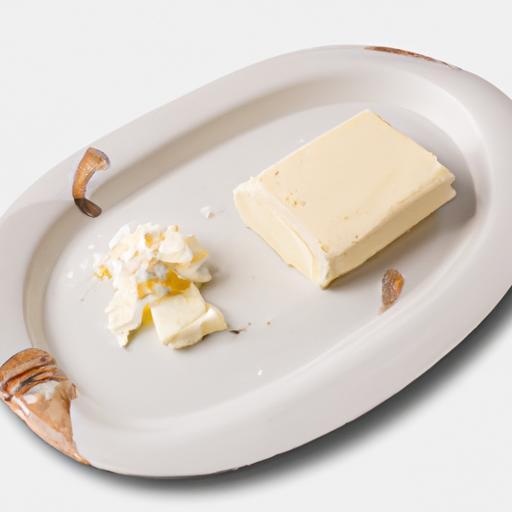
From the gentle churn of cream to the luscious swirl of golden butter, the journey is a delicate dance of time, texture, and technique. Butter-simple in appearance yet rich in history and science-has been a cherished staple across cultures for centuries. But what transforms a pale, velvety liquid into that soft, creamy spread we savor? In this exploration, we dive deep into the art and science behind making butter, uncovering the subtle processes and craftsmanship that elevate cream into something truly remarkable. Whether you’re a curious food lover or an aspiring artisan, join us as we unravel the secrets behind butter’s irresistible allure.
Exploring the Origins and quality of Cream for Perfect Butter
From Cream to Creamy begins with the very essence of butter: cream. The journey to luscious, velvety butter starts by choosing the freshest, highest-quality cream, ideally from grass-fed cows. Historically, cream was gathered by skimming the milk after it rested, allowing fat globules to rise naturally. Today, sourcing cream that is fresh, organic, and preferably unpasteurized (or gently pasteurized) yields richer flavor and texture in your homemade butter.
Whole milk cream with at least 35-40% fat content provides the best starting point. The subtleties of terroir - what the cows graze on – dramatically influence the nuance in your butter, lending delicate floral or grassy notes. When selecting cream, look for a thick, pale ivory texture; this signals a robust fat content primed for churning into butter.
Mastering Churning Techniques to Achieve Ideal Texture
Churning cream transforms its fat molecules, making the difference between grainy curds and a luxuriously smooth butter. Begin by chilling your cream to 50-60°F (10-15°C), a temperature that encourages gentle agitation without melting the fat crystals that create butter’s creaminess. Whether you use a traditional churn, a stand mixer, or even a French press, consistency is key.
Vigorous, rhythmic motion over 10 to 20 minutes turns silky whipped cream into clumps of butter and pale buttermilk. Stop as soon as solids separate distinctly and drain the buttermilk promptly to avoid a sour taste. Press and fold the butter repeatedly under cold water to rinse away residual buttermilk, ensuring a pure and long-lasting product.
Understanding the Role of Temperature and Timing in Butter Making
The alchemy of temperature and timing dictates the texture,taste,and shelf life of your butter. Too warm, and the cream won’t churn properly, resulting in a greasy, soft finish. too cold, and churning slows, increasing frustration and inconsistent results. Ideal cream temperature hovers around 55°F (13°C).Timing varies-watch for visual cues rather than the clock.
Once your cream has thickened into whipped peaks, continue churning until the globules form and separate from the liquid. Dragging this process can alter the flavor, making it overly acidic. Remember, patience combined with attentive observation leads to a perfectly creamy yield.
Enhancing Flavor and Storage Tips for Fresh Homemade Butter
Fresh butter has a subtly sweet, grassy flavor that you can easily enhance by adding a pinch of fine sea salt or mixing in fresh herbs like chives or dill for culinary flair. for a delicate nutty aroma, try culturing the cream for 12-24 hours before churning, introducing lactic cultures that deepen the flavor complexity.
Store homemade butter wrapped tightly in parchment paper or an airtight container, refrigerated and away from strong odors to preserve its purity. For longer storage, freezing in small portions works wonderfully, simply thaw chilled butter slowly in the fridge to maintain texture and taste.
Prep and Cook Time
- Readiness: 10 minutes
- Churning: 15-20 minutes
- Total Time: 25-30 minutes
Yield
Approximately 1 cup (225g) of butter from 1 quart (1 liter) of fresh cream.
Difficulty Level
Medium – Requires some patience and attention to temperature but is accessible for home cooks with basic equipment.
Ingredients
- 1 quart (1 liter) fresh heavy cream (preferably >35% fat, grass-fed & cold, not ultra-pasteurized)
- 1/4 teaspoon fine sea salt (optional, adjust to taste)
- Filtered cold water (for rinsing butter)
Instructions
- Chill the cream in the refrigerator until it reaches about 50-60°F (10-15°C). Avoid letting it get too cold or too warm to optimize churning.
- Pour the cream into a chilled stand mixer bowl or your preferred churning vessel.
- Begin whipping the cream on medium speed. The cream will first turn into soft, then stiff peaks, resembling whipped cream.
- Continue mixing past the whipped stage-after 10 to 15 minutes,you’ll notice a separation of yellow butter solids and a milky liquid (buttermilk). Stop as soon as the butter clumps form.
- Drain off the buttermilk, reserving it for baking or drinking.
- Transfer the butter solids to a bowl and rinse under cold filtered water, kneading gently to wash away residual buttermilk and prevent spoilage.
- Drain thoroughly and mix in salt if desired, folding it evenly throughout the butter.
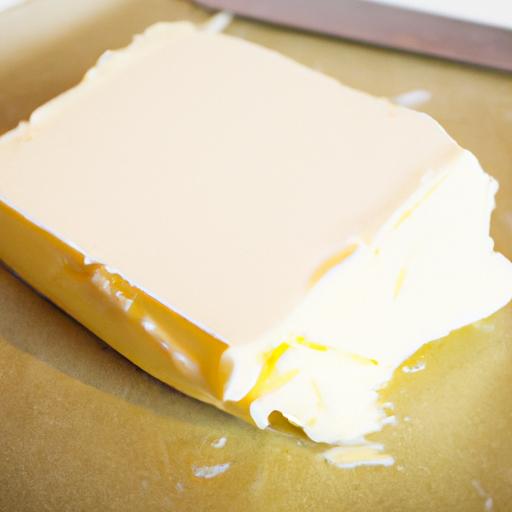
- Shape into a block or press into a butter mold. Wrap in parchment paper and refrigerate.
Chef’s Notes
- Choosing cream: Avoid ultra-pasteurized cream as it hinders the churning process and flavor progress.
- Cultured butter: For richer taste, allow cream to ferment at room temperature for 12-24 hours before churning.
- Flavored variations: Mix in fresh herbs, crushed garlic, or lemon zest for compound butters perfect for savory dishes.
- Troubleshooting: If butter doesn’t form, check that cream is at the correct temperature. Warm it slightly and try again.
- make ahead: Homemade butter lasts up to 2 weeks refrigerated or 3 months frozen.
Serving Suggestions
Serve freshly churned butter at room temperature to highlight its creamy texture. Spread generously over artisan bread, heirloom tomatoes, or roasted vegetables. Garnish with a sprinkle of flaky sea salt or finely chopped herbs for a rustic gourmet touch. Consider pairing it with freshly baked buttermilk biscuits or warm corn muffins for a comforting breakfast or snack.

| Nutrient | Per 1 tbsp (14g) |
|---|---|
| Calories | 100 |
| Protein | 0.1g |
| carbohydrates | 0g |
| Fat | 11g |
For more on dairy techniques and recipes, explore our detailed guide to cultured dairy at home. To deepen your understanding of butter’s chemistry, this ScienceDaily article offers interesting insights.
Q&A
Q&A: From Cream to Creamy: The Art and Science of Making Butter
Q1: What exactly happens when cream turns into butter?
A1: At its core,butter-making is a charming dance of physics and biology.When cream is churned, the fat globules are agitated to the point that their protective membranes break down. This allows the fat to coalesce into solid clumps, pushing out the watery liquid-known as buttermilk. The result? A luscious, creamy block of butter, where science meets sensory delight.
Q2: Can anyone make butter at home, or is it a tricky process?
A2: Making butter at home is surprisingly accessible and can be as simple or as fancy as you like! Whether you’re shaking a jar, using a vintage churn, or pulsing a mixer, you can transform cream into butter. The key is patience and the right cream-ideally fresh,high-fat cream. With a little enthusiasm and elbow grease, homemade butter is a gratifying kitchen craft.
Q3: How does the type of cream influence the final butter?
A3: The journey from cream to butter varies depending on fat content, freshness, and even the cow’s diet. Higher-fat creams produce richer, creamier butter. Fresh cream brings out a sweeter, cleaner flavor, while cultured cream-cream that’s been slightly fermented-adds tang and depth. the butter’s texture and taste are directly linked to the characteristics of its creamy origin.
Q4: Why do some butters turn yellow while others are pale?
A4: The color of butter is a playful nod to what cows munch on! Butter’s yellow hue comes from beta-carotene, a pigment found in fresh grasses and feeds. When cows graze on lush pasture, their cream-borne butter tends to have that golden, sunshine glow. During winter months or with grain-fed diets, butter can lean toward a paler, almost ivory shade.Q5: What’s the role of temperature in butter-making?
A5: Temperature plays a starring role in butter’s texture and ease of formation. Cream is best churned chilled but not too cold, usually around 50°F (10°C). If its too cold, the fat globules become stiff and reluctant to release; too warm, and the butter may be greasy and soft. Mastering this balance is key to achieving that perfectly creamy consistency.
Q6: Are there cultural variations in butter-making techniques?
A6: Absolutely! Around the globe, butter is crafted with regional flair-from the slow-cultured butters of Europe to the quick-churned varieties of tropical climates. Some cultures incorporate herbs or spices during churning, while others age their butter to deepen flavor. This diversity showcases butter not just as a dairy staple but as a canvas of culinary heritage.
Q7: How does salt influence butter beyond flavor?
A7: Salt is more than a seasoning-it’s a preservation hero.adding salt during or after churning helps inhibit bacterial growth, extending butter’s shelf life. It also accentuates the natural flavors and can subtly alter the texture, making salted butter firmer yet still spreadable. Unsalted butter, simultaneously occurring, is cherished for baking or recipes where control over seasoning is crucial.
Q8: What’s the significance of “cultured” butter?
A8: Cultured butter begins its journey with cream that’s been fermented by lactic acid bacteria, lending an extra tangy richness and complexity. This fermentation deepens the flavor profile and can improve butter’s keeping qualities. The result is a butter that’s elegantly nuanced-perfect for indulging a sophisticated palate or elevating simple bread.
Q9: Can butter be made from non-cow creams?
A9: Certainly! Butter can be crafted from the cream of multiple milk sources like goats, sheep, or buffalo, each bringing their unique personality. goat’s butter, for example, is frequently enough whiter and can carry a subtle tang, while buffalo butter tends to be rich and creamy due to higher fat content. These alternatives diversify the butter landscape beyond traditional cow’s milk.
Q10: What tips can help ensure the creamiest, dreamiest homemade butter?
A10: Start with fresh, high-fat cream and chill it appropriately. Be patient-over-churning can break down butter too much, leading to a grainy texture. Rinse your butter thoroughly to remove excess buttermilk, which can cause spoilage. And use your hands or a wooden spoon to press out the remaining liquid gently, shaping your butter with care. The love and attention you give are tasted in every silky bite.
The Conclusion
From the humble swirl of cream to the luscious finish of golden butter, the journey is both an art and a science-a delicate dance of patience, temperature, and technique. Whether crafted by hand in a rustic churn or perfected in a modern kitchen, butter embodies a timeless tradition that connects us to the rhythms of nature and the ingenuity of human craft. so next time you savor its creamy richness, remember: behind that simple pat lies a story of change, where science meets soul to turn cream into something truly extraordinary.