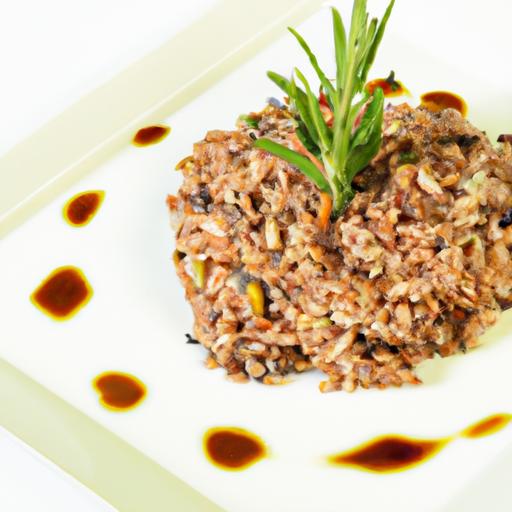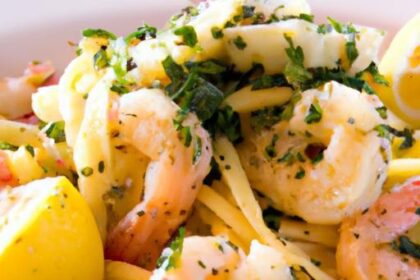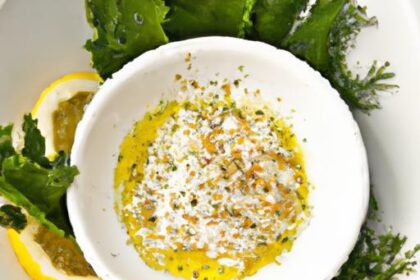



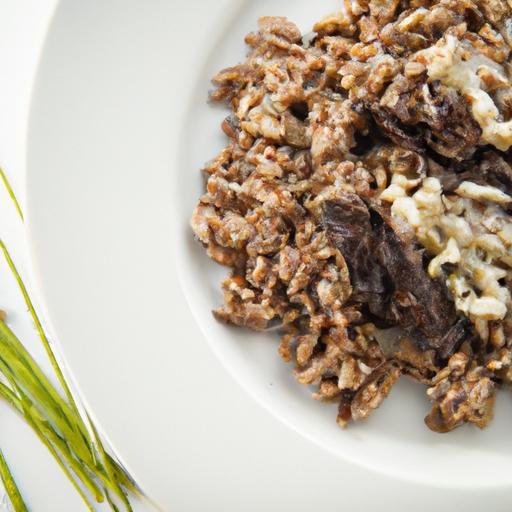
In teh bustling world of superfoods and trendy grains, farro quietly reclaims its ancient throne-offering a hearty nod to history with every nutty, chewy bite. Once a staple of Mediterranean diets thousands of years ago, this humble grain is experiencing a modern-day renaissance, captivating chefs, nutritionists, and food lovers alike. Farro is more than just an ingredient; it’s a bridge connecting us to our agricultural past while nourishing contemporary lifestyles with robust flavors and extraordinary health benefits. Join us as we uncover the story of farro-a timeless grain that’s proving its place at today’s table is anything but old-fashioned.
Farro Uncovered introduces us to an ancient grain prized since antiquity for its nutty flavor,chewy texture,and wholesome nourishment. Originating from the Fertile Crescent, farro has journeyed through millennia to grace modern kitchens with its extraordinary digestibility and sustained energy release. as someone who first encountered farro on a sunlit Tuscan terrace, I was captivated not only by its rich history but by how easily it elevates everyday meals into something special.
Prep and Cook Time
- Prep Time: 10 minutes
- Cook Time: 30-40 minutes (depending on farro type)
- Total Time: 40-50 minutes
Yield
Serves 4 as a hearty main or 6 as a side dish
Difficulty Level
Easy to Medium – perfect for cooks eager to explore ancient grains with confidence
Ingredients
- 1 cup whole grain farro (rinsed)
- 3 cups vegetable broth (low sodium for balanced flavor)
- 1 tablespoon extra virgin olive oil
- 1 small onion, finely diced
- 2 cloves garlic, minced
- 1 cup cherry tomatoes, halved
- 1 cup baby spinach, loosely packed
- 1/4 cup toasted pine nuts
- Salt and freshly ground black pepper, to taste
- Fresh basil leaves for garnish
- Freshly grated Parmesan or pecorino cheese (optional)
Instructions
- Rinse the farro thoroughly under cold water to remove any dust or debris. Drain well.
- Bring vegetable broth to a boil in a medium saucepan. Add rinsed farro, reduce heat, and simmer uncovered for 30-40 minutes or until tender but still slightly chewy. Stir occasionally to prevent sticking.
- While the farro cooks, heat olive oil in a large skillet over medium heat. Add diced onion and sauté until translucent and fragrant, about 5 minutes, stirring occasionally.
- Add minced garlic to the skillet and cook for another 1-2 minutes, until aromatic but not browned.
- Stir in cherry tomatoes and cook until they soften and release juices,around 4-5 minutes. Season with a pinch of salt and pepper.
- When farro is done, drain any excess liquid and add it directly to the skillet with the sautéed vegetables.
- Fold in fresh baby spinach and toss gently over low heat until wilted.
- Remove from heat and stir in toasted pine nuts for a satisfying crunch.
- Adjust seasoning with salt and black pepper to your taste.
- Serve warm, garnished with fresh basil leaves and a sprinkle of grated Parmesan or pecorino cheese if desired.
Tips for Success
- Choosing Farro: For a nuttier, chewier texture, select whole grain or semi-pearled farro. Pearled farro cooks faster but loses some fiber.
- Soaking: Soaking farro overnight reduces cooking time and improves digestibility without compromising its rich flavor profile.
- Cooking liquid: Using vegetable broth instead of water infuses the grain with a subtle depth of flavor.
- Batch Cooking: Make double the amount and refrigerate leftovers.Farro makes a delightful cold salad base or reheats beautifully as a warm side.
- Substitutions: Toasted walnuts or slivered almonds can be swapped for pine nuts to add varied textures.
Serving Suggestions
This vibrant farro readiness shines as a standalone vegetarian main, especially when paired with a fresh garden salad or roasted seasonal vegetables. Drizzle a little extra virgin olive oil and a squeeze of lemon on top just before serving to brighten the flavors.For added elegance, scatter microgreens or edible flowers atop the dish. It also pairs wonderfully alongside grilled chicken breasts or baked white fish for a balanced protein-packed menu.
| Nutrient | Per Serving | % Daily Value* |
|---|---|---|
| Calories | 280 | 14% |
| Protein | 9g | 18% |
| Carbohydrates | 48g | 16% |
| Dietary Fiber | 7g | 28% |
| Fat | 6g | 9% |
| *Percent Daily Values are based on a 2,000 calorie diet. | ||

For a deeper dive into ancient grains and their modern adaptations, visit our Guide to Ancient Grains.
Explore nutritional insights from the american Nutrition Association to enhance your understanding of farro’s health benefits.
Q&A
Farro Uncovered: Ancient Grain with Modern-Day Benefits – Q&A
Q1: What exactly is farro, and where does it come from?
Farro is an ancient whole grain, frequently enough described as a cousin to modern wheat. it has roots tracing back thousands of years to the Fertile Crescent, where it was a staple for early civilizations like the Romans and Egyptians. Its nutty flavor and chewy texture make it a timeless addition to many dishes.
Q2: How does farro differ from other grains like quinoa or barley?
Unlike quinoa, which is a seed, farro is a type of hulled wheat with a robust, slightly chewy texture and a hearty, nutty flavor. Compared to barley,farro tends to cook faster and has a more pronounced,earthy taste. Its high protein and fiber content also set it apart nutritionally.Q3: What are the nutritional benefits of incorporating farro into your diet?
Farro boasts a wealth of nutrients: it’s rich in fiber, which supports digestion and promotes satiety, and packed with protein to help build and repair tissues. It’s also a good source of iron, magnesium, and B vitamins, making it a powerhouse for sustained energy and overall health.
Q4: Can farro be a part of gluten-free meals?
Farro contains gluten,so it isn’t suitable for those with celiac disease or gluten intolerance. However, for those who tolerate gluten, farro provides a wholesome choice to refined grains with added health perks.
Q5: What are some creative ways to cook with farro?
Farro’s versatility shines in the kitchen! Use it as a hearty base for vibrant grain bowls loaded with fresh veggies and zesty dressings, toss it into soups for a satisfying chew, or swap it in place of rice in stir-fries. It even shines in cold salads, paired with roasted veggies, herbs, and a tangy vinaigrette.
Q6: How do you prepare farro to get the best texture?
Rinsing farro before cooking helps remove any residual dust.Use a ratio of about 3 cups of water for every 1 cup of farro, simmering gently for 20-30 minutes until tender but still slightly chewy. For quicker prep, pearled farro cooks faster but has slightly less fiber since the outer husk has been removed.
Q7: Is farro lasting and environmentally kind?
Yes! Farro’s hardy nature means it can be grown with fewer resources and less irrigation compared to more demanding grains. Choosing farro supports agricultural biodiversity and helps revive ancient farming traditions, connecting us to the land’s history.
Q8: Who should consider adding farro to their diet?
Anyone looking to enrich their diet with whole grains and a tasty boost of protein and fiber will find farro a fantastic option. From food lovers seeking new textures and flavors to those wanting more nutrient-dense plant-based meals, farro fits in beautifully.
Q9: Can farro be used in baking or breakfast recipes?
Absolutely! Cooked farro can be stirred into warm porridge with nuts and fruit for a hearty start to the day. It also works well in baked goods like hearty breads and muffins, lending a subtle nutty depth.Let your creativity guide you!
Q10: Where can one find farro, and how should it be stored?
Farro is increasingly available in health food stores, specialty markets, and many supermarkets-look in the grains or international foods aisle. Store it in an airtight container in a cool, dry place, and it should keep well for several months, ready to elevate your meals anytime.
In Retrospect
As we journey from ancient fields to contemporary kitchens, farro stands as a testament to the timeless power of nature’s bounty. This humble grain, steeped in history yet brimming with modern-day benefits, invites us to rediscover the nourishing simplicity that sustained civilizations for millennia. Whether tossed into a vibrant salad, simmered into a hearty stew, or ground into wholesome flour, farro offers a tasty bridge between past and present-fueling our bodies and inspiring our plates. Embracing farro is more than a culinary choice; it’s a celebration of heritage and health, reminding us that sometimes, the oldest ingredients hold the freshest possibilities.