



In the vibrant tapestry of Korean cuisine, few dishes capture the essence of home-cooked comfort quite like doenjang jjigae. This hearty soybean stew, steeped in centuries-old tradition, is more than just a meal-it’s a flavorful narrative of korea’s agricultural heritage, communal spirit, and deep-rooted love for fermented foods. As steam rises from a bubbling pot, inviting aromas of rich soybean paste, fresh vegetables, and tender ingredients weave together a story that’s both ancient and timeless. Join us as we dive spoon-first into the world of doenjang jjigae, uncovering the cultural significance, unique flavors, and soulful warmth that have made this stew a beloved staple across korean tables for generations.
Origins and Cultural Significance of Doenjang jjigae in Korean Cuisine
Doenjang jjigae is much more than a comforting soybean stew-it is a soulful reflection of Korea’s agrarian roots and a testament to time-honored fermentation traditions. This beloved dish originates from doenjang, a fermented soybean paste that has been integral to korean households for centuries, acting as both a flavor enhancer and a symbol of harmony with nature’s bounty. Passed down through generations, doenjang jjigae has been treasured as a source of nourishment, warmth, and cultural identity, especially during cold seasons and family gatherings.
What sets doenjang jjigae apart is its simplicity combined with its rich umami depth, achieved by slow fermentation of soybeans that captures the essence of Korean terroir. Each bowl tells a story of careful fermentation, fresh seasonal vegetables, and the balance of hearty proteins. For many Koreans, this stew represents comfort food at its finest – a daily ritual of communal dining and wholesome energy. In my own kitchen, crafting a pot of doenjang jjigae evokes memories of my grandmother’s warm smile and the lingering aroma that made every meal feel like home.
Ingredients That Bring Depth and Richness to Every Bowl
- 3 tablespoons doenjang (fermented soybean paste)
- 1 tablespoon gochujang (optional for mild heat and color)
- 6 cups water or anchovy broth (beef or chicken broth as alternatives)
- 150g firm tofu, cut into 1-inch cubes
- 1 medium zucchini, thinly sliced
- 1 small potato, peeled and cubed
- 1/2 cup enoki or shiitake mushrooms, trimmed
- 1/2 medium onion, sliced
- 3 cloves garlic, minced
- 2 green onions, chopped, divided
- 1 small dried chili pepper (optional for subtle smokiness)
- 1 teaspoon sesame oil
- Salt and black pepper, to taste
Prep and Cook time
- Readiness time: 15 minutes
- Cooking Time: 25 minutes
- Total Time: 40 minutes
Yield
Serves 4 hearty portions, perfect for sharing around the table.
Difficulty Level
Easy to Medium – approachable for home cooks with basic kitchen experience.
Step-by-Step Guide to crafting Authentic Doenjang Jjigae at Home
- Prepare your broth base: In a medium pot, bring water or anchovy broth to a simmer. For deeper flavor, start with dried anchovies and kelp boiled for 10 minutes and then removed.
- Dissolve the dozenjang: Whisk in doenjang and gochujang (if using) into the simmering broth until fully blended, releasing the rich aromas of fermented soy.
- add root vegetables: Pour in the cubed potatoes and sliced onions, letting them cook for about 7-8 minutes until tender but firm.
- Layer in texture and umami: Add sliced zucchini, mushrooms, and minced garlic. Continue to simmer gently,allowing all flavors to meld for 5 minutes.
- Incorporate tofu: Carefully add the cubed tofu, stirring delicately to prevent breaking. Let it warm through for 3 minutes.
- Season and finish: Add chopped green onions, drizzle sesame oil over the stew, and season with salt and pepper as needed.Toss in the dried chili pepper now if you prefer a subtle smoky undertone.
- Serve piping hot: Ladle the stew into bowls, garnishing with extra green onions or a sprinkle of toasted sesame seeds to brighten the presentation.
Chef’s Notes and Tips for Success
- For a vegetarian variation, replace anchovy broth with a simple kombu (kelp) broth or vegetable stock, preserving the stew’s umami depth.
- Doenjang quality is crucial: Use a trusted Korean fermented soybean paste-homemade varieties or conventional brands yield the richest flavors.
- Balancing saltiness: As doenjang itself is salty, taste before adding extra salt to avoid over-seasoning.
- Try adding seasonal vegetables such as napa cabbage or soybean sprouts for an authentic twist reflecting Korea’s changing seasons.
- doenjang jjigae reheats beautifully; make extra to enjoy leftovers the next day with rice or as a soup side.
Pairing Suggestions and Serving Tips for the Perfect Korean Meal
A steaming bowl of doenjang jjigae pairs wonderfully with freshly steamed short-grain white rice, which acts as a perfect neutral canvas to soak up the hearty broth’s complexity. Complement your meal with traditional kimchi, adding crisp acidity and spice to balance the stew’s depth.A side of namul (seasoned vegetable banchan) such as spinach or bean sprouts will bring vibrant color and texture contrast.
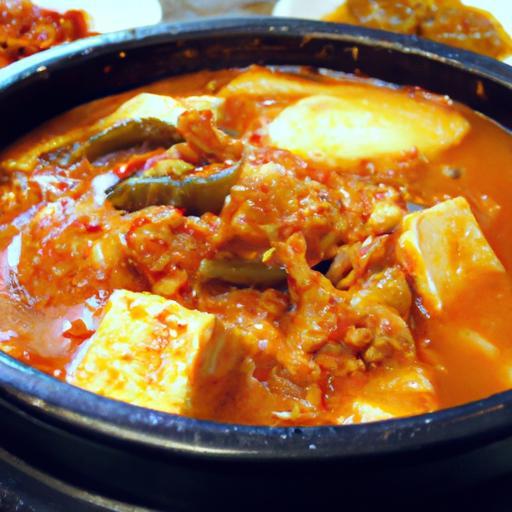
For an impeccably authentic presentation, serve in a classic Korean ttukbaegi (earthenware pot) that keeps the stew hot at the table, inviting guests to savor each bold, savory spoonful. Garnishing with fresh thinly sliced green onions or a few shreds of red chili pepper adds an inviting pop of color and freshness.

| Nutrient | Per Serving |
|---|---|
| Calories | 210 kcal |
| Protein | 14 g |
| Carbohydrates | 18 g |
| Fat | 8 g |
Q&A
Q&A: Doenjang Jjigae – Korea’s Hearty Soybean Stew Tradition Explored
Q1: What is Doenjang jjigae?
A1: Doenjang Jjigae is a beloved Korean stew made from doenjang, a fermented soybean paste that has been a staple in Korean cuisine for centuries.Rich, savory, and deeply comforting, this stew combines vegetables, tofu, and often seafood or beef to create a warm, hearty dish that embodies Korea’s tradition of simple yet flavorful home cooking.
Q2: What makes doenjang special compared to other fermented pastes?
A2: Doenjang is unique for its robust umami character, developed through a natural fermentation process involving soybeans and salt. Unlike miso, which tends to be sweeter and lighter, doenjang offers earthier, deeper notes with a slightly pungent aroma that enhances any dish it touches, particularly jjigae (stew).
Q3: What ingredients are typically found in Doenjang Jjigae?
A3: Classic Doenjang Jjigae is a harmonious blend of doenjang paste,tofu,zucchini,onions,mushrooms,and green chili peppers. Common protein choices include beef or seafood such as clams or anchovies, adding layers of flavor without overwhelming the soybean paste’s star quality. Seasonal vegetables often make their way into the pot as well, showcasing Korea’s reverence for fresh, local ingredients.
Q4: How is Doenjang Jjigae traditionally cooked?
A4: Traditionally, Doenjang Jjigae is simmered patiently, allowing the flavors to meld and deepen. The stew begins with a broth base-frequently enough made from anchovy and kelp-into which doenjang is dissolved. Vegetables and tofu are then added, followed by protein. The slow cooking process ensures each bite is a warm, flavorful experience.
Q5: Why is Doenjang Jjigae considered a comfort food in Korea?
A5: Doenjang Jjigae is synonymous with home and heartiness.Its deeply savory notes, nourishing ingredients, and daily presence at korean tables offer not just sustenance but a sensory connection to family, tradition, and the rhythms of everyday life. The stew’s warmth sustains both body and soul, especially during chilly seasons.
Q6: Can Doenjang Jjigae be adjusted for vegetarian or vegan diets?
A6: Absolutely! By using vegetable stock and omitting seafood and beef, doenjang Jjigae can easily become a plant-based feast. Tofu, mushrooms, potatoes, and a variety of seasonal vegetables provide plenty of texture and nutrients, making it just as satisfying without animal products.
Q7: How does Doenjang Jjigae reflect Korean culture?
A7: Doenjang Jjigae embodies Korean values of fermentation, seasonality, and communal eating. The staple paste represents centuries of culinary wisdom and patient food preparation, while the stew’s simplicity and balance echo Korea’s appreciation for harmony in flavor and nutrition. Sharing a bubbling pot of Doenjang Jjigae at the table brings peopel together, honoring the virtue of modest, nourishing food.
Q8: What are some tips for making an authentic Doenjang Jjigae at home?
A8: Start with high-quality doenjang-homemade or well-known Korean brands work beautifully. Use a base broth of dried kelp and anchovies if you’re open to seafood, or substitute with shiitake mushroom broth for vegetarian versions.Don’t rush the simmering process; gentle heat brings out the depth of flavors. balance the stew with fresh vegetables and just the right amount of chili pepper to add a subtle kick.
Q9: how is Doenjang Jjigae served in Korean meals?
A9: It’s often served bubbling hot in a stone pot alongside a bowl of steamed rice and an array of banchan (side dishes). The stew is typically enjoyed in spoonsfuls with rice, allowing the diner to savor the hearty broth while mixing in various textures from the vegetables and tofu.
Q10: Is Doenjang Jjigae similar to any other Korean stews?
A10: While many korean jjigaes share the communal, stew-like feel, Doenjang Jjigae stands apart with its distinctive fermented soybean base. For instance,Kimchi Jjigae uses fermented cabbage for spice and sourness,whereas Doenjang Jjigae relies on the deep,savory richness of fermented soybeans as its flavor foundation.
through its rustic depth and enduring cultural roots, Doenjang Jjigae remains a appetizing testament to Korea’s culinary heritage-a stew that warms both body and tradition.
The Conclusion
From the simmering pot of doenjang jjigae emerges more than just a stew-it’s a vibrant tapestry woven with the threads of Korea’s history, culture, and communal spirit. This humble blend of fermented soybean paste, fresh vegetables, and tender ingredients offers not only warmth to the body but a taste of tradition passed down through generations. Whether enjoyed in a bustling Seoul eatery or a quiet home kitchen, doenjang jjigae stands as a testament to Korea’s rich culinary heritage and its enduring love for hearty, soulful flavors. So the next time you savor a spoonful of this golden broth, remember you’re partaking in a story that has fermented through centuries-nourishing both palate and culture alike.