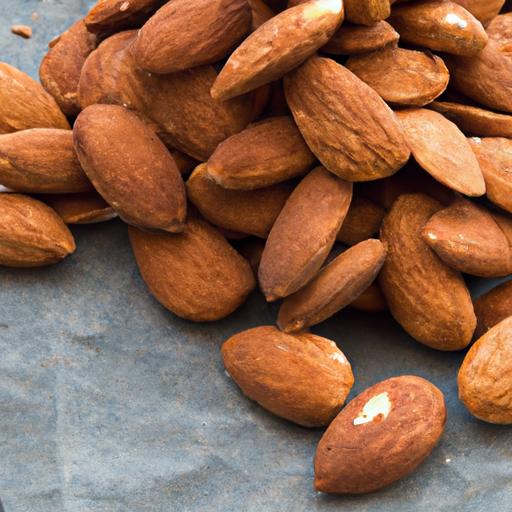




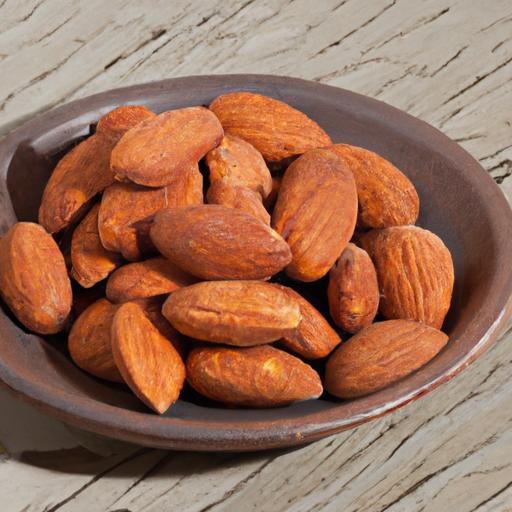
There’s a simple magic in teh satisfying crunch of a roasted salted almond-a perfect harmony of texture, flavor, and aroma that captivates the senses wiht every bite. But beyond their delicious allure lies a fascinating story of chemistry and craftsmanship. From the conversion within the roasting chamber to the intricate dance of salt crystals on the nut’s surface, roasted salted almonds are more than just a snack; they are the culmination of science meeting culinary art.In this article, we’ll crack open the secrets behind that irresistible crunch and uncover the science that makes these humble nuts a truly delectable delight.
Crunchy Delight: the perfect roasted salted almonds are more than just a snack-they are a symphony of science and flavor, where chemistry elevates crunchiness and salt enhances every bite. Whether enjoyed as a nutritious nibble or an elegant garnish,mastering this process unlocks the elegant balance of heat,salt,and time that transforms simple almonds into irresistibly crunchy treasures.
Prep and Cook Time
- Readiness: 5 minutes
- Roasting: 20-25 minutes
- Total: 30 minutes
Yield
Approximately 2 cups of perfectly roasted salted almonds,enough for 4-6 servings.
Difficulty Level
Easy – Ideal for both beginners and seasoned snack lovers aiming to elevate their homemade munchies.
Ingredients
- 2 cups raw whole almonds
- 1 tablespoon extra-virgin olive oil or neutral oil like avocado oil
- 1 teaspoon fine sea salt (adjust to taste)
- optional: ½ teaspoon smoked paprika or ground cumin for a subtle twist
The Chemistry of Crunch Unlocking the roasting Process
The magic of roasting almonds lies in how heat transforms moisture and fats within each nut. As you roast, the almonds loose moisture, which tightens their structure, creating that coveted crisp texture. The Maillard reaction-the chemical interaction between amino acids and reducing sugars-develops the rich, nutty aroma and golden-brown hue that is visually enticing and oh-so-tempting. The longer you roast (within reason), the deeper the flavor, but beware: too much heat or time can tip the balance from perfectly crunchy to bitter and burnt.
Salt’s Role in Enhancing Flavor and Texture in Almonds
Salt doesn’t just season almonds; it accentuates sweetness and balances natural bitterness. When almonds are lightly coated with oil before roasting, salt adheres evenly, promoting flavor penetration beneath the surface. Additionally, salt contributes to slight dehydration on the surface, amplifying the roasted crunch. The fine sea salt crystals add bursts of savory satisfaction,making every bite an irresistible contrast of texture and taste.
Balancing Heat and Time for Perfectly Roasted Almonds
Set your oven to a steady 325°F (165°C)-a temperate heat that allows almonds to roast evenly without scorching. Roast for 20 to 25 minutes, stirring or shaking the pan every 7-8 minutes to ensure uniform color and crunch. This timing unlocks maximum complexity in flavor and a uniform crunch. Higher temperatures may shorten roasting time but risk burning, while lower heat extends roasting without adequately developing the signature nutty fragrance.
Instructions
- Preheat your oven to 325°F (165°C) and line a baking sheet with parchment paper.
- In a mixing bowl, toss raw almonds with olive oil until evenly coated-this ensures salt adheres and aids flavor progress.
- sprinkle fine sea salt evenly over the almonds, along with any optional spices if using, and toss again gently.
- Spread the almonds in a single layer on the prepared baking sheet to allow optimal heat circulation.
- Place in the oven and roast for 20-25 minutes. Stir or shake the pan every 7-8 minutes to prevent uneven browning.
- Keep a close eye during the last 5 minutes-look for a glossy, golden-brown finish and inhale that irresistible roasting aroma.
- Once roasted, remove from oven and transfer almonds promptly to a cool surface to halt cooking and preserve that perfect crunch.
- Allow to cool completely before storing or serving-the crunch intensifies as they cool.
Expert Tips for Storing and Serving Your Roasted Salted Almonds
Store your roasted salted almonds in an airtight container at room temperature for up to two weeks. For freshness beyond that, refrigeration extends shelf life without sacrificing texture. Avoid plastic bags where moisture can accumulate, softening the crunch you worked so hard to achieve.
These almonds shine on charcuterie boards, add crunch to vibrant salads, or serve as an energizing snack by themselves. Sprinkle atop roasted vegetables or mix into yogurt with a drizzle of honey for a delightful twist. Garnish with fresh rosemary sprigs or a pinch of flaky sea salt to boost visual appeal and aroma,elevating every presentation.
Nutritional Information (Per 1/4 Cup Serving)
| Calories | Protein | Carbs | Fat |
|---|---|---|---|
| 206 | 5g | 6g | 18g |
Chef’s Notes
- Variation: For a touch of sweetness, add 1 teaspoon of maple syrup before roasting and reduce salt slightly.
- Substitution: Substitute sea salt with smoked salt or Himalayan pink salt for unique flavor profiles.
- Troubleshooting: If almonds turn bitter, reduce roasting time or temperature slightly on your next batch to avoid over-roasting.
- Make-Ahead: Roast in bulk and freeze in an airtight bag. Thaw at room temperature to restore crunch.
For deeper insights on nut roasting and snack ideas, explore our Ultimate Guide to Nut Roasting article. To dive into the science behind flavor reactions, this ScienceDaily article offers excellent research on Maillard reactions in nuts.

Q&A
Crunchy Delight: The Science Behind Roasted Salted Almonds – Q&A
Q1: What makes roasted salted almonds so irresistibly crunchy?
A1: The crunch in roasted salted almonds is a perfect marriage between chemistry and culinary technique. When almonds are roasted, the heat evaporates moisture inside the nut, creating a crisp texture. Simultaneously occurring, the natural sugars and proteins undergo a Maillard reaction-a chemical dance that browns the nut and deepens its flavor. The salt not only enhances taste but also slightly dries the surface, intensifying that signature snap with every bite.
Q2: How does roasting affect the nutritional profile of almonds?
A2: Roasting almonds changes their texture and flavor but generally preserves most nutrients. While a tiny amount of heat-sensitive vitamins like vitamin E may diminish slightly, roasting can actually improve antioxidant availability by breaking down cell walls. Plus, roasted almonds still pack a punch of healthy fats, fiber, and protein, making them a wholesome snack option.
Q3: Why is salt such a vital ingredient in this snack?
A3: Salt is the magic seasoning that transforms roasted almonds from bland to brilliant. It enhances flavor by stimulating our taste buds and balancing the natural bitterness of the nut. salt also influences texture, drawing out moisture at the surface and creating a pleasant outer layer that contrasts beautifully with the creamy interior.
Q4: What role does temperature control play in roasting almonds?
A4: Temperature is the silent conductor of the roasting symphony. If the heat is too low, almonds won’t develop that rich, roasted flavor or satisfying crunch. Too high, and the nuts risk burning, turning bitter and unhealthy.Ideal roasting occurs around 300°F to 350°F (150°C to 175°C), where nuts brown evenly and maintain their nutritional integrity.
Q5: Can the roasting process impact the almond’s oil content?
A5: Yes! Almonds are naturally rich in oils, which contribute to their smooth, buttery character. roasting causes some of these oils to migrate to the surface, which intensifies flavor and aroma but can create a slight greasiness. This top-layer oil also helps salt crystals stick, making every crunch salty and savory.
Q6: How does the Maillard reaction enhance the flavor of roasted salted almonds?
A6: The Maillard reaction is a complex chemical process between amino acids and reducing sugars that happens during roasting. This reaction produces a cascade of flavorful compounds and that enticing golden-brown color. It’s the reason roasted almonds taste nutty, toasty, and slightly sweet, far beyond their raw counterpart.
Q7: Why do roasted salted almonds often taste better when freshly made?
A7: Fresh roasting locks in vibrant aromas and crisp textures that gradually dissipate over time. Oxygen exposure causes oils to oxidize, leading to rancidity and muted flavors. Salt can also absorb moisture from the air, making them less crunchy if stored improperly. That’s why ‘freshly roasted’ frequently enough means ‘best enjoyed.’
Q8: Are there any scientific tips for achieving the perfect roast at home?
A8: Absolutely! Spread almonds in a single layer on a baking sheet to roast evenly. Preheat your oven to around 325°F (160°C), and roast for 10-15 minutes, stirring halfway through for consistent browning. Keep a close eye in the last minutes-the line between golden and burnt is thin. For seasoning, sprinkle fine sea salt immediately after roasting while nuts are still warm, so it adheres beautifully.
Q9: How does salt influence the shelf life of roasted almonds?
A9: Salt acts as a mild preservative by reducing moisture activity on the nut’s surface, helping inhibit spoilage organisms. However, almonds are predominantly preserved by their low water content and proper storage-cool, dry, and airtight conditions keep them fresh far longer than salt alone.
Q10: What sensory experience can one expect from biting into a perfectly roasted salted almond?
A10: Imagine a satisfying snap as the nut breaks under your teeth, releasing a warm, toasty aroma that fills your senses. The initial salty crunch gives way to a creamy, slightly sweet richness, a dance of textures and flavors that invigorates your palate and offers a gratifying, wholesome indulgence.
In Conclusion
As we’ve uncovered, the humble roasted salted almond is far more than just a tasty snack-it’s a marvel of science and craftsmanship. From the Maillard reaction that browns and deepens its flavor, to the perfect balance of salt that awakens our taste buds, every crunchy bite is a symphony of chemistry and culinary art. So next time you reach for that handful of almonds, remember: you’re savoring a crunchy delight born from precise science, centuries of tradition, and a touch of nature’s own magic.Armed with this knowledge, may your snacking be all the more satisfying-and deliciously informed.