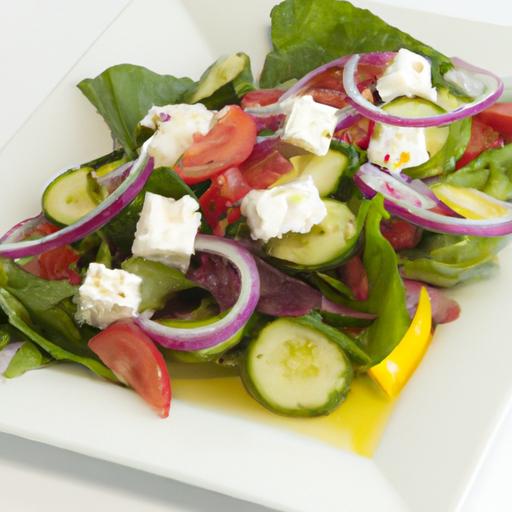





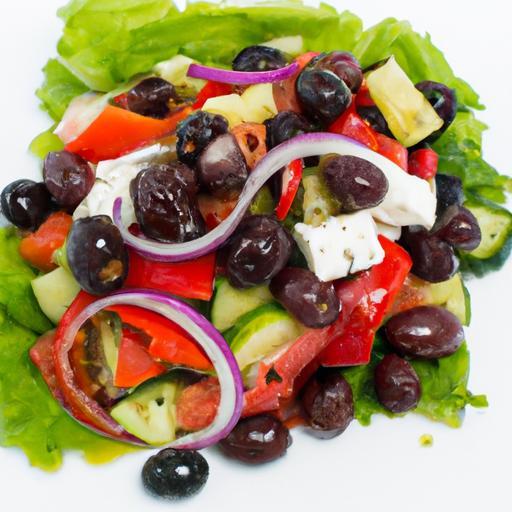
in a world where culinary trends come and go,some dishes remain timeless treasures-effortlessly marrying simplicity with vibrant flavors. Enter the classic Greek salad, a crunchy bliss of sun-ripened tomatoes, crisp cucumbers, briny olives, and creamy feta, all drizzled with golden olive oil and kissed by a splash of tangy lemon. This humble yet iconic salad is more than just a side dish; it’s a celebration of Mediterranean heritage and a burst of freshness that transports your taste buds straight to the sun-drenched shores of Greece. Join us as we dive into the ultimate guide to crafting the perfect classic Greek salad-unpacking its history, ingredients, and tips for achieving that perfect, satisfying crunch in every bite.
Crunchy Bliss is a culinary celebration of vibrant, sun-kissed flavors that embody the heart of authentic Greek salad. This dish originates from the warm Mediterranean coasts where freshness meets simplicity,creating an iconic medley of textures and tastes. What makes this salad truly special is the harmonious balance between juicy tomatoes, crisp cucumbers, briny olives, and creamy feta cheese, all enlivened by a perfectly tangy and herbaceous dressing.
Prep and cook Time
Preparation: 15 minutes | Cook Time: 0 minutes | Total Time: 15 minutes
Yield
Serves 4 generously as a side or light main course.
Difficulty Level
Easy – perfect for both seasoned cooks and kitchen novices eager to master fresh Mediterranean flavors.
Ingredients
- 3 large ripe tomatoes, cut into chunky wedges
- 1 large English cucumber, peeled and sliced into half-moons
- 1 small red onion, thinly sliced
- 1 green bell pepper, seeded and sliced into rings
- 1 cup Kalamata olives, pitted and halved
- 200g (7 oz) feta cheese, crumbled or cut into thick cubes
- 1 teaspoon dried oregano, Greek-style
- Freshly ground black pepper, to taste
- Coarse sea salt, to taste
- 4 tablespoons extra virgin olive oil (preferably cold-pressed Greek or Mediterranean)
- 1 tablespoon red wine vinegar
- Optional: A handful of fresh flat-leaf parsley, roughly chopped, for garnish
Instructions
- Prepare the vegetables: Rinse all fresh produce under cool water. Cut the tomatoes into juicy wedges and place them in a large mixing bowl. Peel the cucumber for a smoother texture and slice it into half-moons for an inviting crunch.
- Add the flavor builders: Thinly slice the red onion so it blends subtly without overpowering the salad. Add the green pepper rings for a slight sweetness and vibrant color contrast.
- Include the olives: pit the Kalamata olives if needed, then halve them so their bold, salty character disperses evenly throughout the salad.
- Make the dressing: In a small bowl, combine the red wine vinegar with coarse sea salt and freshly ground black pepper. Slowly whisk in the extra virgin olive oil until the mixture emulsifies into a smooth, golden dressing that will tie the salad together.
- Toss with care: Drizzle the dressing over the vegetables and gently toss everything to coat without bruising the fragile tomatoes.
- Add feta and oregano: Crumble the feta generously over the salad and sprinkle on the dried oregano to infuse that unmistakable Mediterranean aroma. Give the salad one last gentle toss, preserving the feta’s creaminess atop the vibrant ingredients.
- Final touch: Adjust seasoning with additional salt or pepper if needed. Add the fresh parsley just before serving for a burst of refreshing green that complements the ensemble beautifully.
Tips for Success
- Choosing produce: Look for tomatoes that are deeply colored, firm but yielding slightly to the touch, and cucumbers that are smooth and blemish-free. Freshness here is everything in capturing the essence of the salad.
- Olive oil essentials: Use a high-quality extra virgin olive oil with a fruity,peppery finish to enhance depth. Greek olive oils from regions like Kalamata or Crete are ideal for authenticity.
- Dressing mastery: Whisk the dressing vigorously until it emulsifies; this ensures every bite is gloriously coated without pooling oily patches.
- Make-ahead tip: Assemble all ingredients but add dressing just 10-15 minutes before serving to keep the vegetables crisp and the salad radiant.
- Substitutions: If feta isn’t available, opt for a similar crumbly, salty cheese such as Bulgarian sirene or a mild goat cheese, adjusting salt accordingly.
Serving suggestions
This salad dazzles served in a shallow, wide bowl to showcase its vibrant colors. Garnish with a sprig of fresh oregano or a light drizzle of extra virgin olive oil for shine. Pair it alongside grilled chicken or fresh seafood for a Mediterranean feast, or enjoy it with warm, crusty bread to soak up the piquant dressing. For a textural contrast, sprinkle toasted pine nuts or walnuts atop, adding a nutty crunch that invigorates each forkful.
| Nutrient | Per Serving |
|---|---|
| Calories | 220 kcal |
| Protein | 6g |
| Carbohydrates | 9g |
| Fat | 18g |

Discover more Mediterranean-inspired dishes like this easy Mediterranean chicken recipes for your next wholesome meal.To deepen your knowledge of olive oil’s health benefits and choosing the best, visit International Olive Council.
Q&A
Q&A: Crunchy Bliss – The Ultimate Guide to Classic Greek Salad
Q1: What makes a Greek salad “classic” compared to other salads?
A1: The classic Greek salad, or “Horiatiki,” embraces simplicity and freshness. It’s all about vibrant, garden-fresh ingredients like crisp cucumbers, juicy tomatoes, pungent red onions, briny Kalamata olives, and creamy slabs of feta cheese-all tossed with a bright olive oil dressing and a pinch of oregano. Unlike leafy green salads, it relies on chunky, crunchy textures and bold, Mediterranean flavors that transport you straight to the sun-soaked Greek Isles.
Q2: What are the essential ingredients for an authentic Greek salad?
A2: To capture that authentic crunch and zest, you’ll need ripe tomatoes (preferably heirloom or vine-ripened for maximum juiciness), firm cucumbers (English or Persian work great), thinly sliced red onion, Kalamata olives, and feta cheese-traditionally feta blocks, not crumbled.Finish with a splash of extra virgin olive oil, a shake of dried oregano, fresh ground black pepper, and a splash of red wine vinegar or freshly squeezed lemon juice.Q3: How shoudl the ingredients be prepared to preserve their crunch?
A3: The secret lies in the cut! Tomatoes and cucumbers should be cut into chunky wedges-think rustic, generous bites. Slice the red onion thinly to avoid overpowering the salad but leave its crunch intact. Olives should be pitted but left whole or halved. Keep the feta in thick rectangular slices rather than crumbling it down; this adds a creamy texture that contrasts deliciously with the salad’s crisp elements.
Q4: Can Greek salad be served as a main dish or is it just a side?
A4: Greek salad can absolutely shine as a main dish, especially when it’s built with hefty portions of fresh vegetables and feta. For a heartier twist, some add ingredients like chickpeas or a scoop of creamy hummus on the side. Though, its vibrant simplicity also makes it the perfect refreshing side to grilled vegetables, seafood, or plant-based entrees.
Q5: Is it okay to add lettuce to a Greek salad?
A5: Traditionalists would say no! Classic Greek salad is intentionally lettuce-free, focusing instead on the crunchy textures of cucumbers and onions. Though, some modern variations include romaine or iceberg for added volume and crunch. If you do add lettuce, keep it crisp and light so it doesn’t overshadow the other star ingredients.
Q6: What kind of olive oil works best in a Greek salad?
A6: Extra virgin olive oil is your best friend here-it adds grassy, peppery notes and a fruity richness that complements the salad’s bright and briny flavors. Look for cold-pressed, high-quality olive oil labeled “extra virgin” for that authentic mediterranean touch.
Q7: How can I make this salad more vibrant and refreshing for hot summer days?
A7: Add a squeeze of freshly squeezed lemon juice for lively citrus brightness, and chill all your ingredients before assembling. You might also toss in a handful of fresh mint or dill for a cool herbal note. Serve it in wide,shallow bowls to keep each bite crisp and refreshing.
Q8: Can I prepare Greek salad in advance?
A8: Because greek salad shines best fresh, it’s ideal to assemble it just before serving.Though, you can prep and chill your chopped vegetables a few hours ahead. Keep the feta, olives, and dressing separate until the last moment to maintain that signature crunch and avoid sogginess.
Q9: What’s the story behind the name “Horiatiki” salad?
A9: “Horiatiki” translates to “village” or “rustic” salad in Greek, reflecting its origins as a simple peasant dish made with fresh, local ingredients straight from the garden. It’s a celebration of natural flavors, uncomplicated but bursting with vibrant, crunchy goodness.
Q10: How do I balance the saltiness of feta and olives with the freshness of veggies?
A10: The key is in the dressing and the cut of the vegetables. Use a bright dressing with lemon juice or red wine vinegar to add acidity and a bit of sweetness to counteract the saltiness. Also, chunky, crisp-cut veggies offer a juicy, fresh contrast that mellows the briny punch from the feta and olives, creating harmony in every bite.
Embrace the crunch, savor the zest, and dive fork-first into your ultimate Greek salad adventure!
The Way Forward
As we wrap up our journey through the crisp, vibrant world of the classic Greek salad, one thing is clear: this humble dish is far more than just a side. With its harmonious blend of crunchy cucumbers, juicy tomatoes, briny olives, tangy feta, and fragrant herbs, every bite is a celebration of Mediterranean freshness and tradition. Whether you’re crafting it for a quick lunch, a festive gathering, or simply to savor the taste of Greece at home, mastering the art of the Greek salad unlocks a timeless recipe for crunchy bliss.So next time you reach for those familiar ingredients,remember-you’re not just making a salad; you’re creating a flavorful connection to a rich cultural heritage,one crisp,colorful forkful at a time.