



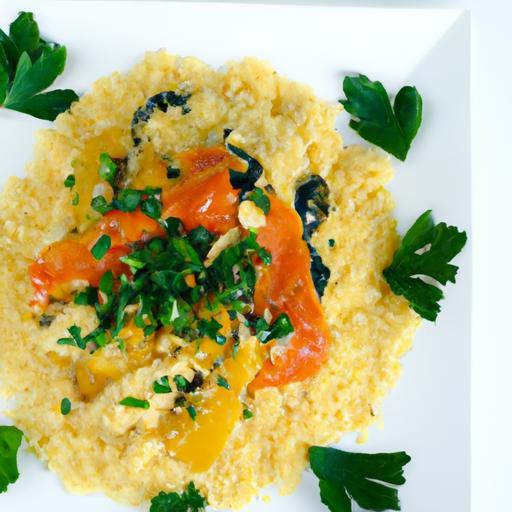
In the warm, aromatic kitchens of North Africa, a humble grain weaves stories of heritage, culture, and communal celebration-this is couscous. More than just a staple food, couscous embodies centuries of tradition, carrying with it the whispers of ancient caravans and the vibrant spirit of family gatherings.Join us as we embark on a flavorful journey through couscous, uncovering its rich history, diverse preparations, and the cultural tapestry that makes this dish a symbol of unity and warmth across generations. From rustic recipes passed down through time to modern culinary reinventions, couscous invites us to savor not only its delicate taste but also the stories it gathers along the way.
couscous uncovered reveals a tapestry of tradition and flavour woven through North African culture, where this simple grain dish transcends everyday fare to become a symbol of community, hospitality, and celebration. Originating from the Maghreb region-primarily Morocco, Algeria, and Tunisia-couscous holds a revered place on festive tables and family gatherings, embodying a centuries-old heritage digitized in steam and spices. Its unique texture and versatility allow it to harmonize brilliantly with seasonal vegetables, robust meats, and fragrant herbs, making it a beloved culinary canvas for vibrant meals that warm the soul.
Prep and Cook Time
- Preparation: 15 minutes
- Cooking: 20 minutes
- Total: 35 minutes
Yield
4 hearty servings
Difficulty Level
Medium – requires attention to texture and traditional steaming for authentic results
Ingredients
- 2 cups fine couscous (semolina granules)
- 2 ½ cups boiling water or vegetable broth
- 1 tsp fine sea salt
- 2 tbsp extra virgin olive oil or melted butter
- 1 medium onion, finely chopped
- 1 cup diced seasonal vegetables (carrots, zucchini, pumpkin)
- 1 tsp ground cumin
- ½ tsp ground coriander
- Fresh herbs: chopped parsley and cilantro, to garnish
- 1 lemon, cut into wedges
- Optional: toasted almonds or raisins for texture and sweetness
Instructions
- Prepare the couscous: Place the couscous in a large bowl. Sprinkle the salt evenly over the grains. Pour the boiling water or broth over the couscous, then cover tightly with a plate or cling film. Let it steam for 10 minutes, allowing the semolina granules to absorb the liquid fully.
- Fluff and steam: Using a fork, gently separate the couscous grains to break up any clumps. Add olive oil or melted butter while fluffing to lend a silky texture and rich aroma. For an authentic touch, transfer the couscous to a couscoussier (steaming pot) and steam for an additional 10 minutes, which intensifies its light, fluffy nature.
- Sauté the vegetables: While couscous is steaming, heat a drizzle of olive oil in a pan over medium heat. add the chopped onion and sauté until translucent,about 5 minutes. Incorporate the diced seasonal vegetables, cumin, and coriander, stirring occasionally until tender and aromatic, about 8-10 minutes.
- Combine and season: Fold the sautéed vegetables into the fluffed couscous gently but thoroughly. Taste and adjust seasoning with salt and a squeeze of fresh lemon juice to brighten the flavors.
- Serve and garnish: transfer the couscous blend to a large serving platter. Garnish generously with chopped parsley, cilantro, and optional toasted almonds or raisins for that irresistible textural contrast.
Tips for Success
- Choosing couscous: Opt for fine, fresh couscous rather than instant varieties to best capture the traditional texture and flavor the dish is known for.
- Steaming magic: Steaming instead of just soaking helps create the signature fluffy, light texture. If you don’t have a couscoussier, use a fine-mesh sieve or a steaming basket.
- Vegetable swaps: Adapt this recipe to the seasons – root vegetables in winter, squash and tomatoes in summer – to keep the dish vibrant and fresh.
- Make ahead: couscous can be prepped and steamed in advance, then gently reheated with a splash of water or broth to restore moisture.
Serving suggestions
Pair couscous uncovered with slow-cooked tagines or grilled spiced meats for a well-rounded meal. A dollop of creamy harissa or a chilled mint yogurt sauce adds wonderful contrast. Present with fresh lemon wedges for an added zing,and a scattering of toasted nuts for crunch. This dish shines best served family-style on a stunning platter, inviting everyone to dive into the vibrant medley of textures and flavors.
| Nutritional Info (per serving) | Calories | Protein | Carbohydrates | Fat |
|---|---|---|---|---|
| Couscous & Vegetables | 290 kcal | 8 g | 52 g | 5 g |
Explore More North African Spice Blends
For a deeper dive into couscous’s historical journey and cooking methods, visit Encyclopedia britannica.

Q&A
Q&A: Couscous Uncovered – A Flavorful Journey Through Tradition
Q1: What exactly is couscous, and where did it originate?
A1: Couscous is a tiny, steamed granule traditionally made from semolina wheat, celebrated as a staple in North African cuisine. Originating centuries ago among the Berber tribes of the Maghreb region-modern-day Morocco,Algeria,and Tunisia-it embodies a rich culinary heritage that has traveled and transformed through time.
Q2: How is traditional couscous prepared, and why is the method meaningful?
A2: Traditionally, couscous is steamed multiple times over a pot of simmering broth or stew, allowing the grains to swell gently and absorb aromatic flavors. This labor-intensive process gives the couscous its signature light, fluffy texture-far from the instant varieties often found on supermarket shelves. The method is a ritual, a connection between cook and culture, and key to unlocking its soulful taste.
Q3: What makes couscous such a versatile dish?
A3: Couscous is a true culinary chameleon. It can serve as a bed for hearty meats and vegetables, a vibrant salad base infused with fresh herbs and citrus, or even a sweet dessert with dried fruits and nuts. Its subtle, nutty flavor acts like a blank canvas, inviting layers of spices, textures, and colors from different regions and traditions.
Q4: Which spices and ingredients are commonly paired with couscous?
A4: the aromatic soul of couscous frequently enough comes from warm spices like cumin, coriander, cinnamon, and saffron. Ingredients vary regionally but frequently include preserved lemons, olives, chickpeas, raisins, and an abundance of fresh herbs such as cilantro and parsley. this blend creates a mosaic of tastes that dance on the palate-earthy, sweet, tangy, and savory all at once.
Q5: How has couscous evolved in contemporary cuisine?
A5: While couscous remains deeply rooted in its traditional forms,modern chefs have reimagined it globally. From quinoa couscous twists to fusion dishes that combine Middle Eastern flavors with Mediterranean or even Asian ingredients, couscous has become a symbol of culinary adaptability. Yet, the core essence-celebrating community, warmth, and nourishment-stays beautifully intact.
Q6: Why is couscous more than just a grain on the plate?
A6: Beyond its appetizing flavor and comforting texture,couscous represents tradition,hospitality,and storytelling. Sharing couscous is frequently enough a communal experience, symbolizing unity around the table. Each bite carries generations of history, a reminder of cultural identity and the timeless joy of breaking bread together.
Couscous isn’t just food-it’s a flavorful journey through time and tradition, inviting us all to savor the stories that nourish both body and soul.
In Summary
As we conclude our flavorful journey through the rich traditions of couscous, it’s clear that this humble grain is much more than a simple staple-it’s a vibrant tapestry woven with history, culture, and communal spirit. From steaming pots shared around family tables to the aromatic spices that dance in every bite, couscous invites us to explore the diverse stories of the regions that cherish it. Whether you’re a seasoned cook or a curious foodie, embracing couscous opens a gateway to timeless flavors and age-old customs, reminding us that food is not just nourishment, but a celebration of heritage passed down through generations. So next time you savor a bowl of couscous, remember-the story on your plate is as rich and layered as the dish itself.