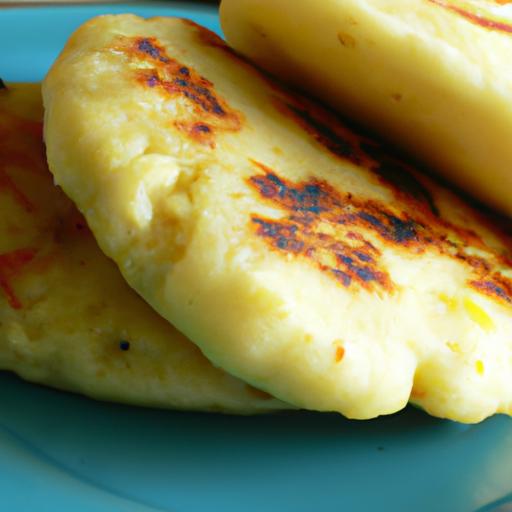


Nestled at the heart of Colombia’s vibrant culinary heritage, the humble arepa stands as a flavorful symbol of tradition and togetherness. This golden, corn-based delight has traveled through generations, evolving yet remaining deeply rooted in local culture. Whether enjoyed plain, stuffed, or topped with an array of savory fillings, authentic Colombian arepas offer a flavorful journey into the soul of the country’s cuisine. In this article, we’ll explore the rich history behind this beloved staple and guide you step-by-step through a classic recipe, inviting you to bring a taste of Colombia’s warm, comforting flavors right into your own kitchen.
Authentic Colombian arepas boast a comforting simplicity yet deliver rich layers of flavor and texture that make them a beloved staple across Colombia. From the vibrant streets of Medellín to the coastal towns of Cartagena, these golden cornmeal cakes cradle centuries of tradition.Choosing the right cornmeal is the first crucial step in mastering this culinary treasure-ensuring your arepas achieve that perfect crispy exterior with a tender, mouthwatering center.
Prep and Cook Time
- Readiness: 15 minutes
- Cooking: 20 minutes
- Total Time: 35 minutes
Yield
Serves 4 people (makes 8 medium-sized arepas)
Difficulty Level
Easy to Medium – perfect for beginners eager to explore Colombian flavors yet rewarding enough for experienced cooks.
Ingredients
- 2 cups pre-cooked white cornmeal (masarepa) – finely ground for smooth dough
- 2 ½ cups warm water
- 1 teaspoon salt
- 2 tablespoons melted butter or neutral oil (such as vegetable oil)
- Optional: ½ cup grated mozzarella or queso fresco for a classic cheesy twist
Instructions
- Prepare the dough: In a large mixing bowl, combine the pre-cooked white cornmeal and salt. Gradually add the warm water while stirring with a wooden spoon or your hands.Let the mixture rest for 5 minutes to hydrate fully.
- Incorporate butter: Add the melted butter to the dough, kneading by hand until the mixture is smooth, pliable, and no longer sticky.If the dough feels dry, add a tablespoon of water at a time; if too wet, sprinkle a little more cornmeal.
- Shape the arepas: Divide the dough into 8 equal portions. Roll each piece into a ball then gently flatten into discs about ½ inch thick. Avoid cracks on the surface to prevent splitting during cooking.
- Heat your cooking surface: Use a non-stick skillet or a cast-iron griddle over medium heat. Brush lightly with oil or butter to ensure a golden crust forms without sticking.
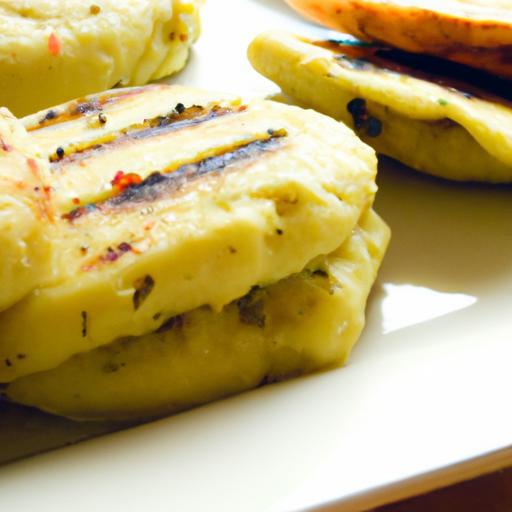
- Cook the arepas: Place the discs on the hot surface. Cook for about 5 minutes on each side until golden brown and crispy. Lower the heat if they brown too quickly to allow thorough cooking inside.
- Finish in oven (optional): For tender centers, transfer arepas to a preheated oven at 350°F (175°C) for 8-10 minutes after pan-cooking. This step helps maintain moisture and develop a delicate crumb.
- Serve warm: Slice open carefully to stuff with your favorite fillings or enjoy plain with butter.
Chef’s Notes
- Choosing the perfect cornmeal: always opt for pre-cooked white cornmeal (masarepa) designed especially for arepas.It’s milled finer then typical polenta, producing the ideal dough texture.
- texture tips: Aim for a dough that feels soft yet firm enough to shape without cracking. Resting the dough is key to hydration and elasticity.
- Cheese variation: Adding grated mozzarella or queso fresco during dough mixing creates ooey-gooey pockets that are irresistible. Substitute or combine with cooked meats or sautéed veggies for more filling options.
- Make ahead: Arepas can be shaped and refrigerated for up to 24 hours, then cooked fresh for a convenient meal anytime.
- Troubleshooting cracks: If the dough dries out, moisten your hands with water before shaping each arepa to smooth the surface.
Serving Suggestions
Serve these classic Colombian cornmeal cakes fresh off the griddle with a pat of butter melting on top. For a customary experiance, fill them with shredded beef, black beans, avocado slices, or hogao sauce-a vibrant tomato and onion condiment that brings brightness and spice.
Garnish plates with freshly chopped cilantro and a wedge of lime to add a zesty finish. Pair your dish with a refreshing glass of aguapanela, a sweet panela drink typical in Colombia, to complete the feast.
Nutrition Information
| Nutrient | Per Serving (2 arepas) |
|---|---|
| Calories | 220 kcal |
| Protein | 5 g |
| Carbohydrates | 44 g |
| Fat | 4 g |

Q&A
Q&A: Authentic Colombian arepas recipe – A Flavorful Tradition
Q1: What exactly is an arepa and why is it so notable in Colombian cuisine?
A1: An arepa is a traditional cornmeal flatbread that holds a special place at the heart of Colombian meals. more than just food, it’s a cultural emblem-simple yet versatile, connecting generations through its warm, comforting flavor. Whether served plain, stuffed, or topped, arepas are a daily staple from breakfast to dinner across Colombia.
Q2: What makes Colombian arepas different from other types of arepas in Latin America?
A2: Colombian arepas tend to be thicker and softer than their Venezuelan cousins, often with a mild sweetness thanks to the specific cornmeal used. They can be grilled, baked, or fried, and unlike some versions filled with complex ingredients, Colombian arepas emphasize pure, straightforward maize flavor, sometimes accented with cheese or butter.Q3: What are the key ingredients needed to make an authentic Colombian arepa?
A3: The magic begins with precooked white cornmeal,known as masarepa,water,a pinch of salt,and a touch of oil or butter. The simplicity is key-these four ingredients blend into a dough that transforms into something truly special on the griddle.
Q4: Can you walk us through the basic steps of making Colombian arepas at home?
A4: Absolutely! Start by mixing the masarepa with warm water and salt until a smooth dough forms.Let it rest for a few minutes, then shape into small patties about half an inch thick. Cook on a hot griddle or skillet, flipping once golden and slightly crispy on the outside, until the inside is tender. Optional, but highly recommended: finishing them with a pat of butter or stuffing with fresh cheese.
Q5: Are there any tips for achieving the perfect texture and flavor?
A5: Definitely! The dough shouldn’t be too dry or too wet-it should hold together without sticking excessively. Use medium heat to ensure the arepa cooks through without burning. For an authentic touch, try using Colombian masarepa brands if you can find them-they bring that subtle regional flavor that sets your arepas apart.
Q6: How are arepas typically enjoyed in Colombia?
A6: Arepas are wonderfully versatile-as a breakfast paired with coffee, as a side dish accompanying hearty stews or grilled meats, or as a snack stuffed with cheese, avocado, or shredded beef. They’re comfort food that can adapt to any meal or mood,making them a beloved culinary tradition.Q7: Can this recipe be adapted for dietary preferences or restrictions?
A7: Of course! Colombian arepas are naturally gluten-free, making them accessible for many diets. For vegan options, simply omit butter or cheese and use plant-based oils. You can also experiment with fillings-think sautéed vegetables or beans-to add nutritional variety while keeping the spirit of tradition alive.
Q8: What cultural importance do arepas carry beyond being just food?
A8: Arepas are more than nourishment-they’re stories on a plate. They evoke memories of family gatherings, morning markets, and festive celebrations. Each bite carries the echo of Colombian heritage,symbolizing unity,resilience,and the rich tapestry of a nation’s culinary identity.
Ready to bring a slice of Colombia into your kitchen? This authentic arepas recipe invites you to savor tradition one warm, golden arepa at a time. Whether you keep it classic or add your own twist, you’re partaking in a delicious legacy that has warmed hearts for centuries. ¡Buen provecho!
The Way Forward
As you wrap your hands around a warm, freshly made arepa, you’re not just tasting a simple corn cake-you’re savoring centuries of Colombian heritage, family gatherings, and vibrant culture. This authentic Colombian arepas recipe invites you to become part of a flavorful tradition that transcends borders and brings people together bite by bite. Whether enjoyed plain, stuffed, or topped with your favorite accompaniments, these golden discs are a delicious reminder that great food is often the heart of every story. So go ahead-embrace the time-honored craft, experiment with your own fillings, and let the spirit of Colombia enrich your kitchen and your palate with every arepa you make.