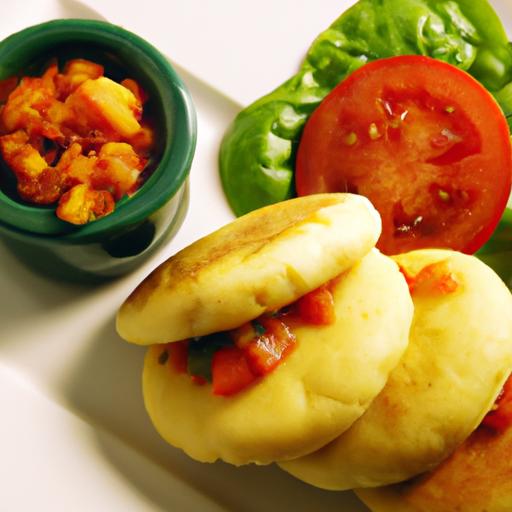


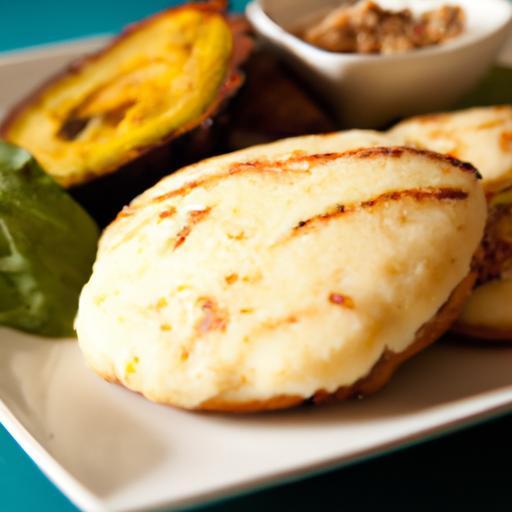
Golden, warm, and irresistibly aromatic, Colombian arepas have been a beloved staple on tables across the country for centuries. More then just a simple corn cake, these humble rounds carry the vibrant history and rich cultural tapestry of Colombia within their crispy exterior and soft, tender heart. From rustic village kitchens to bustling city street corners, arepas tell a flavorful story of tradition, family, and culinary artistry. Join us as we embark on a mouthwatering journey through the origins, varieties, and modern twists of Colombian arepas-delving into how this iconic dish continues to unite communities and satisfy palates around the world.
Origins and Cultural Significance of Colombian Arepas
Colombian Arepas have been a cornerstone of the country’s culinary identity for centuries, originating from Indigenous tribes long before colonization. These golden, corn-based patties are more than just a staple; they are a cultural symbol woven into the daily lives and festive celebrations of Colombia. Each bite offers a sensory connection to the land,history,and community,bringing together families and friends around the table. Growing up in Bogotá, I vividly remember the warm aroma filling the kitchen on cold mornings, as my abuela prepared arepas fresh on a clay griddle-an experience that evokes both comfort and heritage.
Exploring Regional Variations and Unique Ingredients
Across Colombia, Colombian arepas take on distinct regional personalities shaped by local ingredients and traditions. In Antioquia, the arepa de choclo shines with its sweet corn and mozzarella, while the coastal regions favor a simpler arepa blanca crafted from white cornmeal and salt. Inland, you’ll find the buttery, thicker llanera arepa, often enjoyed with hearty stews or topped with hogao-a vibrant tomato and onion sauce. These regional variants not only highlight local produce but also reflect the diverse cultural fabric of Colombia. Unique ingredients such as costeño cheese, fresh herbs, or even quinoa flour underscore the creative versatility of this humble dish.
Step-by-Step Guide to Crafting Authentic Colombian Arepas
Prep and Cook Time
- Preparation: 10 minutes
- Cooking: 15 minutes
- Total Time: 25 minutes
Yield
Makes approximately 6 medium arepas (serves 3-4 peopel)
Difficulty Level
Easy – Perfect for home cooks of any skill level looking to embark on an authentic Colombian culinary journey.
Ingredients
- 2 cups pre-cooked white cornmeal (masarepa or harina PAN)
- 2 ¼ cups warm water
- 1 teaspoon salt
- 2 tablespoons unsalted butter, melted
- Optional: 1 cup grated costeño cheese (or mozzarella for a milder flavor)
- Vegetable oil for frying or griddling
Instructions
- Combine the warm water and salt in a large bowl, stirring until the salt dissolves.
- Gradually add the pre-cooked white cornmeal to the water, mixing with a spoon or your hands to form a smooth, pliable dough. Let it rest for 5 minutes to hydrate fully.
- Add the melted butter and, if using, the grated cheese, folding them gently into the dough for a rich, creamy texture.
- Divide the dough into 6 equal portions, rolling each into a ball, then flattening them into discs approximately ½-inch thick.
- Heat a non-stick skillet or cast-iron griddle over medium heat and brush lightly with vegetable oil.
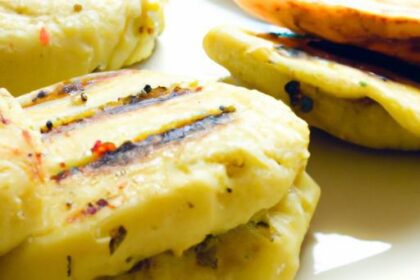
- Cook arepas for about 5-7 minutes on each side, or until a golden crust forms and they sound hollow when tapped gently.
- Optional finishing: Transfer to a 350°F oven for 5-10 minutes to ensure an even cook and soft interior.
Tips for success
- Water temperature matters: Using warm water helps the cornmeal absorb moisture evenly, preventing cracks and dryness.
- Don’t overwork the dough: Knead just until combined to keep your arepas tender.
- Adjust thickness: Thicker arepas deliver a fluffy inside and crisp outside, while thinner ones become perfectly crispy.
- Make ahead: Prepare arepas dough in advance; shape and refrigerate for a few hours before cooking-just bring them back to room temperature.
Pairing Suggestions and Serving Tips for a True Colombian Experience
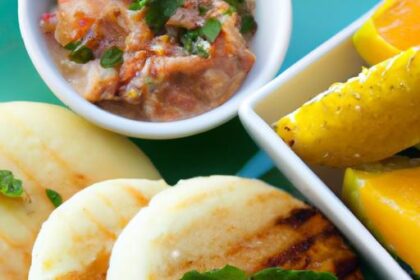
For a genuine taste, serve your Colombian Arepas with traditional accompaniments that enhance both flavor and texture. A dollop of hogao sauce-combining sautéed tomatoes, onions, and a hint of cumin-adds a fresh, tangy punch. Crumbled fresh cheese or a scoop of creamy avocado pairs beautifully as well. For heartier meals,nestle arepas alongside grilled chicken or sautéed vegetables spiced with coriander and garlic.
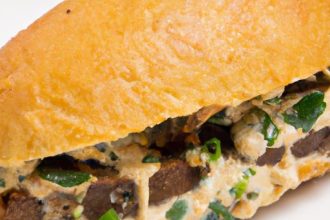
The texture contrast of crispy exteriors and soft, tender centers invites a sensory celebration.Garnish with finely chopped cilantro or a sprinkle of smoked paprika for a colorful finish. for breakfast, slice and stuff arepas with scrambled eggs and sautéed mushrooms to create a wholesome yet vibrant dish that captures the spirit of Colombian mornings.
| Nutrient | Per Arepa |
|---|---|
| calories | 160 kcal |
| Protein | 4 g |
| Carbohydrates | 30 g |
| Fat | 4 g |

Ready to continue your exploration? Discover the vibrant flavors of hogao sauce, a quintessential accompaniment to Colombian arepas, blending beautifully with their crispy warmth. For nutritional insights into cornmeal and traditional ingredients,visit the nutrition Value Database.
Q&A
Q&A: Colombian Arepas – A Flavorful Journey Through Tradition
Q1: What exactly is an arepa, and why is it so important in Colombian cuisine?
A1: an arepa is a beloved cornmeal cake, crispy on the outside and tender on the inside, that has been a staple in Colombian kitchens for centuries. More than just a dish, it’s a symbol of Colombian identity, reflecting the country’s rich indigenous roots and diverse culinary influences. Arepas are versatile, frequently enough enjoyed for breakfast, as a snack, or part of a hearty meal, making them a universally cherished comfort food across Colombia.
Q2: How are Colombian arepas different from those in othre Latin American countries?
A2: While many Latin American cultures celebrate their own versions of arepas, Colombian arepas are unique in their texture and preparation. Colombians frequently enough use pre-cooked corn flour and prefer a thicker, fluffier cake, sometimes grilled or fried to achieve a golden crust. The fillings and toppings also vary widely, embracing regional tastes-from creamy cheeses in the Andes to tropical fruits along the coast-showcasing Colombia’s distinct regional flavors.
Q3: Can you describe some traditional fillings or toppings that make Colombian arepas so special?
A3: Traditional Colombian arepas shine with simple yet rich accompaniments. Queso costeño, a salty, crumbly cheese, is a classic favorite, while others top their arepas with butter or drizzle them with a bit of hogao-a fragrant tomato and onion sauce that adds a savory warmth. In some regions, arepas are stuffed with shredded chicken cooked in mild spices or accompanied by fresh avocado slices for a creamy balance. The beauty lies in their adaptability, welcoming both hearty and fresh flavors.
Q4: What role do arepas play in Colombian cultural celebrations or daily life?
A4: Arepas are woven into the fabric of Colombian life, appearing at family breakfasts, street food stands, and festive gatherings alike.They are a food of unity, bridging generations and regions. During national holidays and local festivals, arepas are often made in large batches, shared with neighbors and loved ones. Their presence at the table celebrates tradition, warmth, and the Colombian spirit of hospitality.
Q5: Are there any particular regions in Colombia where arepas have distinct characteristics?
A5: absolutely! Such as, in Antioquia, the arepa de choclo is popular-made from sweet corn and frequently enough served with creamy cheese, it offers a delightful sweetness contrasted with salty richness. In the Caribbean coastal areas,thinner,crispier arepas are common,sometimes incorporating coconut or being cooked over open flames to add smoky nuances. Each region’s take on the arepa tells a story about local crops, climate, and history.
Q6: How can someone new to cooking Colombian arepas replicate the authentic taste at home?
A6: The secret to authentic colombian arepas lies in using finely ground pre-cooked cornmeal, like the brand “masarepa,” and adding just the right amount of water and salt to form a pliable dough. Cooking them patiently on a hot griddle until a caramelized crust forms is key.For fillings, keep it simple-grab a good fresh cheese or make a homemade tomato-onion sauce to drizzle. The magic happens when you savor each bite, connecting with centuries of culinary tradition.
Q7: What makes Colombian arepas a unique culinary experience beyond their flavor?
A7: Beyond taste, colombian arepas represent a cultural journey-each one a hand-crafted slice of history and heritage. From the indigenous roots of corn cultivation to modern regional adaptations, arepas are edible stories. Eating an arepa invites you to explore colombia’s diverse geography, from the highland farms to coastal markets, and to experience its warmth and creativity in every morsel. They are more than food-they are a celebration of Colombian life itself.
Concluding Remarks
As we close this flavorful journey through the heart of Colombian arepas, it becomes clear that these humble corn cakes are much more than a simple dish-they are edible stories, woven from centuries of tradition, regional pride, and culinary ingenuity. Whether enjoyed plain, stuffed, or topped with an array of savory delights, each arepa carries a slice of Colombia’s rich cultural tapestry. So next time you savor one, remember you’re biting into a legacy that has nourished families, united communities, and delighted palates for generations. In every golden,crispy bite,the spirit of Colombia lives on-inviting you to explore,appreciate,and share in its timeless flavor.