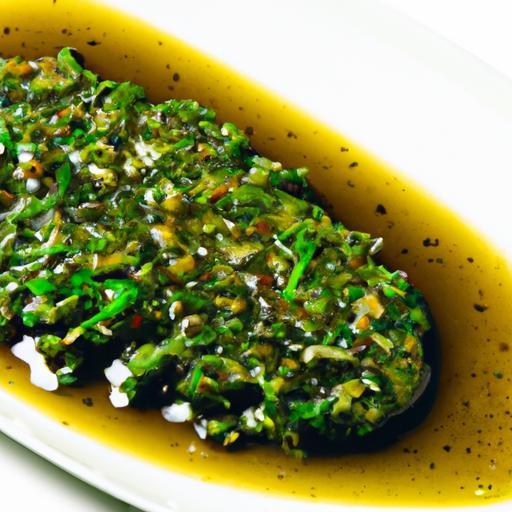



In the vibrant tapestry of Argentine cuisine,few condiments capture the soul of the land quite like chimichurri sauce. Bursting with fresh herbs, zesty garlic, and a perfect balance of tangy and savory notes, this emerald-hued elixir transforms simple dishes into unforgettable culinary experiences. More than just a sauce, chimichurri is a reflection of Argentina’s rich cultural heritage and its passion for bold, lively flavors. Journey with us as we explore the origins,ingredients,and versatile uses of chimichurri-a true taste of Argentina’s heart on every plate.
Origins and Cultural Significance of Chimichurri in Argentine Cuisine
Chimichurri sauce is more than just a condiment; it’s a vibrant symbol of Argentina’s rich culinary heritage. Originating from the gauchos-Argentina’s iconic cowboys-this zesty herbaceous sauce embodies the spirit of open-air asados (barbecues) and communal gatherings. Passed down through generations, chimichurri has become synonymous with Argentine identity, enhancing the natural flavors of grilled meats with its luminous and piquant personality. Whether drizzled over a juicy steak or used as a marinade, this sauce celebrates simplicity, freshness, and bold flavor while reflecting centuries of cross-cultural influences.
Prep and Cook Time
- Prep Time: 15 minutes
- Rest Time: 1 hour (to develop flavors)
- Cook Time: 0 minutes
Yield
About 1 cup of chimichurri sauce, serving approximately 4-6 people.
difficulty Level
Easy – perfect for home cooks of all skill levels who want to elevate any grilled or roasted dish.
Key Ingredients That Bring Chimichurri to Life
- 1 cup fresh flat-leaf parsley, finely chopped – the fresh backbone of the sauce
- 1/4 cup fresh oregano leaves, finely chopped – adds a subtle aromatic earthiness
- 4 cloves garlic, minced – provides a pungent, savory punch
- 1 small red chili or 1/2 teaspoon red pepper flakes – for gentle heat and balance
- 1/2 cup extra virgin olive oil – smooth, fruity richness
- 1/4 cup red wine vinegar – sharp acidity that brightens the sauce
- 1 teaspoon kosher salt – enhances all flavor layers
- Freshly ground black pepper, to taste – adds mild spiciness
Step-by-Step Guide to Crafting the Perfect Chimichurri Sauce
- Prepare the herbs and garlic: Wash and thoroughly dry parsley and oregano. Finely chop both herbs by hand to preserve their vibrant flavor and texture. Mince garlic until it’s almost paste-like for even distribution throughout the sauce.
- Combine dry ingredients: In a medium bowl, mix chopped parsley, oregano, minced garlic, and red chili or red pepper flakes. This ensures balanced heat and fresh herb aromas.
- Add liquids: Pour in the olive oil and red wine vinegar. Stir gently to emulsify the ingredients.the olive oil should coat the herbs, while the vinegar provides that signature tang.
- Season: Sprinkle kosher salt and freshly ground black pepper over the mixture. Taste and adjust the seasoning as necessary to suit your palate.
- rest to meld flavors: Cover the bowl with plastic wrap and refrigerate for at least one hour. This resting period allows the vibrant flavors to marry beautifully and intensify.
- Final stir and serve: Give the sauce a final stir before serving. Adjust seasoning again if needed. For a smoother texture, pulse the ingredients briefly in a food processor, but customary chimichurri is always hand-chopped for its rustic charm.
Creative Ways to Use Chimichurri Beyond Grilled Meats
While chimichurri sauce is celebrated as the perfect partner for grilled steaks and chicken, its versatility can transform your entire culinary repertoire.
- Drizzle over roasted vegetables: Brighten roasted carrots, zucchini, or potatoes by tossing them in chimichurri just before serving.
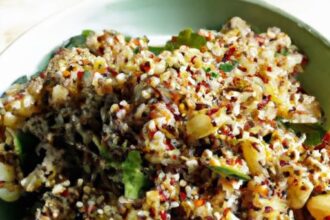
- Mix into grain bowls: Add a spoonful to quinoa, farro, or brown rice salads for a fresh herbaceous boost.
- Use as a vibrant sandwich spread: Swap out mayo or mustard for chimichurri on sandwiches or wraps to add a zesty punch.
- Enhance seafood dishes: Use as a dressing for grilled fish or shrimp, pairing herbs with the ocean’s sweetness.
- Elevate eggs any style: Spoon chimichurri on fried, scrambled, or poached eggs for an exciting twist on breakfast.
Chef’s Notes: tips for Success
- Fresh is key: Use fresh herbs and good-quality extra virgin olive oil for the most vibrant flavor.
- Customize heat: Adjust the chili flakes or fresh chili according to your tolerance for spice.
- Make ahead: Chimichurri tastes even better after resting overnight. Store in an airtight container in the refrigerator for up to 3 days.
- Oil variations: For a lighter option, substitute half of the olive oil with grapeseed or avocado oil.
- Herb substitutions: If fresh oregano isn’t available, dried oregano (about 1 teaspoon) can be used, but avoid overusing it as it is more concentrated.
Serving Suggestions
Serve chimichurri as a vibrant accent in your meals. Spoon generously over grilled sirloin, skirt steak, or chicken breasts, and garnish plates with fresh parsley sprigs and a wedge of lemon. Pair it with crusty bread to soak up the flavorful juices or use as a dipping sauce alongside grilled vegetables. For a visually stunning presentation, serve in a rustic bowl lined with vivid red chilies or alongside a colorful herd of grilled peppers and onions.

Nutritional Details (per 2 tbsp serving)
| Calories | Protein | Carbohydrates | Fat |
|---|---|---|---|
| 80 | 1 g | 1 g | 8 g |
Discover more traditional Argentine recipes that complement chimichurri’s vivid flavors perfectly. For a deeper dive into the roots of chimichurri and Argentine cuisine, visit Encyclopaedia Britannica’s chimney recipe article.
Q&A
Q&A: Chimichurri Sauce – Vibrant Flavor from Argentina’s Heart
Q1: What is chimichurri sauce,and were does it originate?
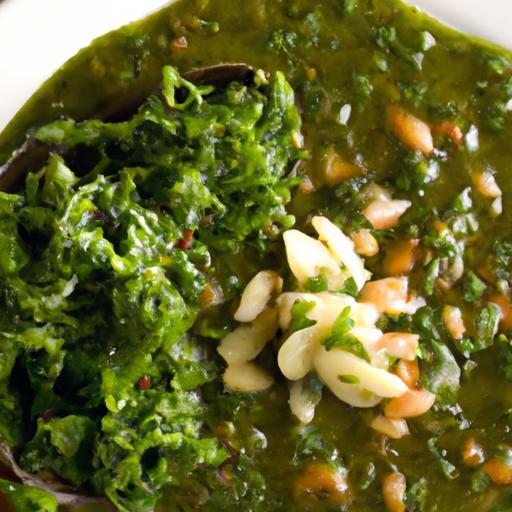
A1: Chimichurri is a zesty,herbaceous sauce that hails from the heart of Argentina. Known for its vibrant green color and bold flavors, it is a beloved staple in Argentine cuisine, often used to enliven grilled dishes with a fresh, tangy punch.
Q2: What are the key ingredients that make chimichurri truly authentic?
A2: The magic of chimichurri lies in its simple yet powerful combination of fresh parsley, garlic, olive oil, red wine vinegar, oregano, and a touch of red pepper flakes.These ingredients blend to create a sauce bursting with herbaceous brightness and a subtle spicy kick.
Q3: How is chimichurri traditionally used in Argentine cooking?
A3: Traditionally, chimichurri is served alongside grilled meats-especially beef-and adds a refreshing contrast to the smoky flavors from the grill. It can be used as a marinade, a condiment, or even a dressing, making it incredibly versatile.
Q4: Can chimichurri be customized or adapted for different tastes?
A4: Absolutely! While parsley is the star herb, some variations incorporate cilantro or mint for a unique twist.Adjusting garlic or vinegar levels can tailor the sauce to be milder or more pungent. The beauty of chimichurri is its adaptability without losing its characteristic vibrancy.
Q5: Is chimichurri only used with grilled food?
A5: Not at all! While it’s a classic partner to grilled dishes, chimichurri’s fresh acidity and herbaceous notes make it excellent drizzled over roasted vegetables, mixed into salads, or even spooned atop hearty grain bowls to add a burst of flavor.Q6: How do you store chimichurri to maintain its freshness?
A6: Chimichurri keeps best in an airtight container in the refrigerator. Because it contains fresh herbs and garlic, it’s ideal consumed within a week. For best flavor,let it come to room temperature before serving,and give it a good stir to bring back its vibrant,silky texture.
Q7: What makes chimichurri different from other herb sauces, like pesto?
A7: Unlike pesto’s nutty richness and creamy texture, chimichurri is oil-based but more fluid, with a brighter, sharper profile thanks to vinegar and fresh herbs. Its spicy undertones and reliance on parsley rather of basil give it a distinctly south American flair.
Q8: Can chimichurri be made ahead of time?
A8: Yes! In fact, making chimichurri a few hours or even a day before serving allows the flavors to meld beautifully. The herbs soak up the oil and vinegar, deepening the sauce’s complexity and making every bite even more flavorful.
Chimichurri is an emerald jewel from Argentina’s culinary treasure chest-simple, vibrant, and endlessly versatile. Whether you’re a seasoned grill master or a curious kitchen adventurer, this sauce promises a taste of South American sunshine in every spoonful.
Closing Remarks
From its origins in the bustling streets of Buenos Aires to the fiery grills of backyard barbecues worldwide, chimichurri sauce invites us to experience Argentina’s vibrant spirit in every tangy, herbaceous bite. More than just a condiment, it’s a party of simplicity and bold flavors-an edible emblem of culture that transforms ordinary dishes into unforgettable feasts. Whether drizzled over tender steak or stirred into roasted vegetables, chimichurri reminds us that sometimes, the most vibrant flavors come from the heart of tradition shared with a modern twist. So next time you seek a burst of freshness and zest, let chimichurri be your passport to the passionate flavors of Argentina.