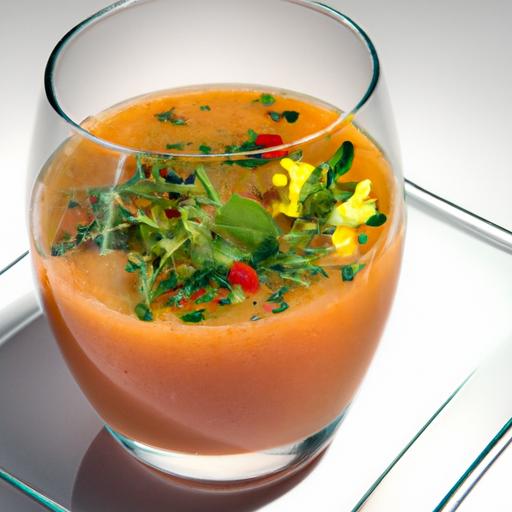






When the summer sun blazes high and the air hums with warmth, few dishes offer a more refreshing escape than the vibrant bowl of spanish gazpacho. This chilled delight, a luscious blend of ripe tomatoes, crisp cucumbers, and fragrant herbs, captures the very essence of Mediterranean freshness. More than just a cold soup, gazpacho is a celebration of spain’s rich agricultural heritage and culinary artistry, inviting food lovers to experiance a burst of bold, natural flavors in every spoonful. Join us as we delve into the origins, ingredients, and irresistible charm of gazpacho-an iconic dish that redefines what it means to savor freshness in the heat of summer.
Chilled Delight: Discover the Fresh Flavors of Spanish Gazpacho offers a refreshing escape into the vibrant culinary heritage of andalusia. This iconic cold soup has roots deeply embedded in Spain’s hot southern climate, where farmers originally created a simple yet invigorating meal using the freshest garden vegetables and crisp olive oil.Over centuries, gazpacho evolved from a humble peasant dish into a beloved symbol of Spanish gastronomy that celebrates summer’s bounty in every chilled spoonful.
The Origins and Cultural Importance of Spanish Gazpacho
Originating from the sun-drenched fields of Andalusia in southern Spain, gazpacho stands as a testament to resourcefulness and the art of simplicity. Traditionally consumed by laborers to cool down after a day’s work, this cold soup highlights local ingredients like ripe tomatoes, crunchy cucumbers, and fragrant garlic. Its vibrant red hue and refreshing tang embody Spain’s Mediterranean spirit-a perfect balance of freshness and rustic charm.
Gazpacho also carries cultural significance as a communal dish, often shared during festive gatherings and family meals, symbolizing conviviality and the joy of seasonal harvest.Today, it is celebrated not only for its flavor and cooling qualities but also as a culinary ambassador connecting people to Spain’s rich rural traditions and Mediterranean lifestyle.
Key Ingredients that Bring Gazpacho to Life
- 6 ripe tomatoes (preferably plum or vine-ripened, for deep color and sweetness)
- 1 large cucumber, peeled and chopped
- 1 green bell pepper, seeded and diced
- 1 small red onion, finely chopped
- 2 cloves garlic, minced
- 3 tablespoons extra virgin olive oil
- 2 tablespoons sherry vinegar (adds characteristic shining acidity)
- 1 slice rustic bread (day-old, crust removed, soaked in water)
- Salt and freshly ground black pepper, to taste
- Cold water, as needed to adjust consistency
- Fresh herbs like parsley or basil for garnish
Prep and Cook Time
- Preparation: 20 minutes
- Chilling Time: 2 hours minimum
- Total Time: 2 hours 20 minutes
Yield
Serves 4 refreshing servings.
Difficulty Level
Easy – perfect for beginners and seasoned cooks alike looking to bring a taste of Spain to their table.
Step-by-Step Guide to Crafting the Perfect Gazpacho at home
- Prepare the vegetables: Thoroughly wash all fresh produce. Core and roughly chop the ripe tomatoes, peel and dice the cucumber, seed and chop the green bell pepper, and finely chop the red onion and garlic.
- Soak the bread: Place the rustic bread slice in a small bowl,cover it with cold water,and let it soak for 5 minutes. Then, squeeze out excess water gently and crumble the bread.
- Combine ingredients: In a large mixing bowl or blender, combine the chopped tomatoes, cucumber, green pepper, onion, garlic, and bread crumbs.
- Blend until smooth: Using a blender or food processor, pulse the mixture until smooth with a slightly coarse texture. For a smoother gazpacho, blend longer. Pour the mixture back into the bowl.
- Add seasonings: Stir in the extra virgin olive oil, sherry vinegar, salt, and freshly ground black pepper. Adjust seasoning to taste.
- Adjust consistency: Slowly add cold water until the gazpacho reaches the desired soup-like consistency, typically slightly thick but pourable.
- Chill: Cover the gazpacho and refrigerate for at least 2 hours to allow flavors to meld and enhance the refreshing chill.
- Serve: give the gazpacho a good stir before serving. Pour into bowls or glasses and garnish with diced cucumbers, bell peppers, fresh herbs, or a drizzle of olive oil.
Chef’s Notes: Tips for Success
- Tomatoes: The quality of your tomatoes makes all the difference; opt for vine-ripened or heirloom varieties for a naturally rich sweetness.
- bread: Using day-old rustic bread adds body but can be omitted for a gluten-free version, just add a bit more cucumber or bell pepper for texture.
- Vinegar Substitute: If sherry vinegar isn’t available, white wine vinegar or apple cider vinegar make great alternatives without overpowering the delicate balance.
- Make-Ahead: Gazpacho intensifies in flavor overnight, making it a perfect make-ahead dish for summer gatherings.
- Texture Variations: For an extra refreshing crunch, reserve some finely diced vegetables to scatter on top as a garnish.
Serving Suggestions
Gazpacho shines when paired with classic Spanish staples. Consider serving alongside light tapas such as grilled vegetables or marinated olives for an authentic experience.Garnish with a drizzle of high-quality extra virgin olive oil, fresh basil leaves, or even a spoonful of diced avocado to elevate its creamy freshness.For a heartier twist, a crisp baguette or herb-infused croutons complement the soup’s texture beautifully.
For a well-rounded Spanish feast, enjoy this chilled delight with premium Spanish olive oil, renowned for its rich aroma and peppery notes, amplifying every bite.

| Nutrient | Per Serving |
|---|---|
| Calories | 120 kcal |
| Protein | 3 g |
| Carbohydrates | 15 g |
| Fat | 7 g |
| Fiber | 4 g |
Q&A
Q&A: Chilled Delight – Discover the Fresh Flavors of Spanish Gazpacho
Q1: What is gazpacho, and why is it considered a quintessential Spanish dish?
A1: Gazpacho is a vibrant, refreshing cold soup originating from Andalusia, the sunny southern region of Spain. It’s a celebration of ripe tomatoes, crisp vegetables, and fragrant herbs, blended together into a chilled, velvety elixir that captures the essence of Mediterranean summer. More than just a soup, gazpacho is a cultural icon representing simplicity, freshness, and the joyous spirit of Spanish cuisine.
Q2: What are the main ingredients in a conventional gazpacho?
A2: At its heart, traditional gazpacho combines sun-ripened tomatoes, crunchy cucumbers, sweet red peppers, pungent garlic, tangy vinegar, good quality olive oil, and fresh bread to create a silky smooth texture. Salt and pepper season it perfectly, and sometimes a splash of water or ice balances the thickness.The final masterpiece is a harmonious blend of fresh, natural flavors served icy cold.
Q3: How dose the preparation of gazpacho differ from other soups?
A3: Unlike most soups that rely on heat to meld flavors, gazpacho is a no-cook marvel.The ingredients are finely chopped or blended raw, then chilled for hours to allow the flavors to marry. This preservation of raw freshness makes gazpacho uniquely bright and vibrant, capturing the garden’s bounty in every spoonful.
Q4: Are there regional variations of gazpacho within Spain?
A4: Absolutely! While Andalusian gazpacho is the most famous, Spain offers flavorful twists. For instance, Salmorejo is a thicker, creamier cousin using more bread and fewer vegetables, topped often with hard-boiled eggs or chopped vegetables. Some coastal versions incorporate fruits like melons, lending a subtly sweet dimension, while others might add herbs such as basil or mint for a refreshing twist.
Q5: What makes gazpacho such a healthy choice, especially during warm months?
A5: Bursting with raw vegetables and healthy fats from olive oil, gazpacho is packed with antioxidants, vitamins, and minerals. It hydrates and nourishes without heaviness, making it a perfect light meal or starter on hot days. Its natural ingredients support digestion and provide a cooling effect that helps balance the body’s temperature.
Q6: Can gazpacho be customized for different palates or dietary needs?
A6: Definitely! Gazpacho is wonderfully versatile. For extra zing, a touch of smoked paprika or a dash of cayenne can add a gentle heat. Vegans and vegetarians treasure gazpacho for its plant-based goodness. For smoother textures, it can be strained, or left chunky for a more rustic feel. Adding avocado or watermelon can introduce creaminess or sweetness without deviating from its fresh spirit.
Q7: How is gazpacho traditionally served and enjoyed?
A7: Traditionally served chilled in a bowl or a glass, gazpacho often comes garnished with finely diced vegetables, fresh herbs, or a drizzle of extra virgin olive oil. It’s perfect as a starter or a light lunch, inviting diners to savor each spoonful slowly, cooling off and refreshing the palate.
Q8: What tips can home cooks follow to make the best gazpacho?
A8: Start with the freshest, ripest tomatoes you can find – they’re the soul of the soup. Don’t rush the chilling process; letting gazpacho rest in the fridge for several hours deepens the flavors. Adjust seasoning patiently, as cold temperatures can mute tastes. Lastly, serve it cold and consider adding a crunchy topping like toasted almonds or a handful of finely chopped cucumber for texture contrast.
Q9: Why has gazpacho remained a beloved dish in Spanish culture and beyond?
A9: Gazpacho’s enduring appeal lies in its simplicity, healthfulness, and the pure joy of savoring fresh, natural ingredients. It’s a dish that connects people to the land, the seasons, and a shared moment of cool respite under the Mediterranean sun. Its global popularity attests to the timeless charm of fresh flavors served with love and tradition.
The Way Forward
As the summer sun climbs high and the days grow long, Spanish gazpacho stands as a vibrant testament to the art of refreshment. More than just a chilled soup, it’s a celebration of ripe tomatoes, garden-fresh cucumbers, and the bold harmony of olive oil and vinegar-a symphony of flavors that awaken the senses and cool the spirit.Whether enjoyed on a sunlit terrace or brought into the heart of your kitchen, gazpacho invites you to savor the essence of Spain’s warm climate and rich culinary heritage.So next time the heat beckons, embrace this chilled delight, and let each spoonful transport you to sun-drenched plazas and rustic gardens where freshness reigns supreme.