

In a world where culinary traditions continuously intertwine with contemporary innovation, chickpea flour flatbreads emerge as a appetizing testament to the timeless appeal of ancient grains. Hailing from diverse cultures and steeped in history, these golden, protein-packed breads have nourished communities for centuries. Today, chefs and home cooks alike are reimagining chickpea flour flatbreads, blending heritage with modern flair to create versatile dishes that are as nutritious as they are flavorful. Join us as we explore the engaging journey of this humble grain, from its ancient origins to its vibrant role on today’s tables-proving that sometimes, the best way forward is to look back.
Unlocking the Rich Heritage and Health Wonders of Chickpea Flour Flatbreads
Chickpea flour flatbreads offer a wonderful gateway into the world of ancient grains, bringing both rich cultural heritage and impressive health benefits to your kitchen table. Rooted in Mediterranean,Indian,and Middle Eastern cuisines,this versatile flour made from ground chickpeas boasts a naturally nutty flavor and gluten-free goodness that has been nourishing communities for centuries. My earliest memories of chickpea flour flatbreads trace back to sunlit mornings in a bustling Indian market, where warm, perfectly crisp socca-style flatbreads smelled of earth and spice – a simple pleasure that sparked a lifelong passion for reinventing this humble ancient grain in modern ways.
Prep and Cook Time
- Preparation: 10 minutes
- Resting: 30 minutes
- Cooking: 15 minutes
- Total Time: 55 minutes
Yield
Makes 6-8 medium flatbreads,perfect for 3-4 servings.
Difficulty Level
Easy to Medium – Ideal for both beginner cooks and seasoned pros seeking a nutritious twist.
Ingredients
- 1 cup chickpea flour (also called gram flour or besan), sifted
- 1 cup water, room temperature
- 2 tablespoons olive oil, plus extra for cooking
- 1/2 teaspoon sea salt
- 1/4 teaspoon turmeric powder (optional, for vibrant color)
- 1/2 teaspoon cumin seeds (optional, for earthy aroma)
- Fresh herbs like chopped cilantro or parsley (optional)
- 1/4 teaspoon baking powder (for a slightly fluffier texture, optional)
Instructions
- Prepare the batter: In a medium bowl, whisk together the chickpea flour, sea salt, turmeric, cumin seeds, and baking powder until evenly combined.
- Add water and oil: Gradually pour in 1 cup of water while whisking continuously to avoid lumps. Stir in 2 tablespoons of olive oil. The batter should have a smooth, pourable consistency, similar to pancake batter.
- Rest the batter: Cover with a clean kitchen towel and let it sit for 30 minutes. This rest allows the flour to fully hydrate and flavors to meld.
- Heat your skillet: Warm a non-stick or cast-iron pan over medium-high heat. Lightly grease with olive oil before each flatbread.
- Cook the flatbreads: Pour approximately 1/4 cup of batter into the pan and quickly spread into a thin circle, about 6-7 inches in diameter. Cook until the edges lift from the pan and the surface bubbles, about 2-3 minutes.
- Flip and finish: Gently flip the flatbread and cook the othre side for 1-2 minutes, until golden brown with nice charred spots.
- Repeat: Continue with the remaining batter, adding oil between each flatbread as needed.
Tips for Success When Crafting chickpea Flour Flatbreads
- Batter consistency: adjust the batter thickness with a splash more water or flour to get a smooth, spreadable texture that isn’t too runny or thick.
- Resting is key: Allowing the batter to rest activates the starches and improves texture – don’t skip this step!
- Pan choice matters: Use a well-seasoned cast iron or non-stick skillet for even heat and easy flipping.
- Flavor variations: Add crushed garlic, chili flakes, or za’atar to the batter for bold, layered flavor twists.
- Make-ahead: Batter can be stored covered in the refrigerator for up to 24 hours; just give it a good stir before cooking.
- Gluten-free advantage: These flatbreads are a perfect gluten-free option – just ensure your baking surface and utensils are free from gluten cross-contamination.
Serving Suggestions for a Modern Twist
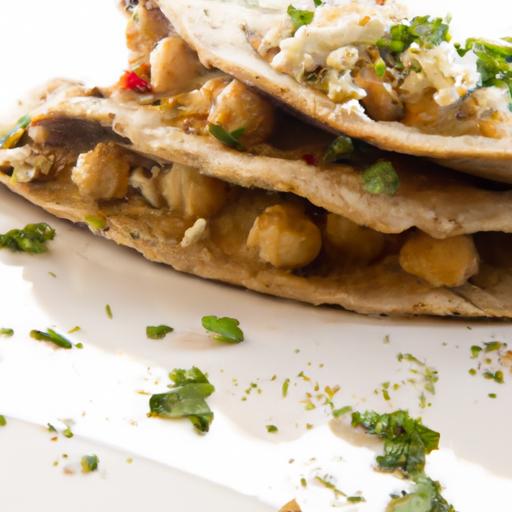
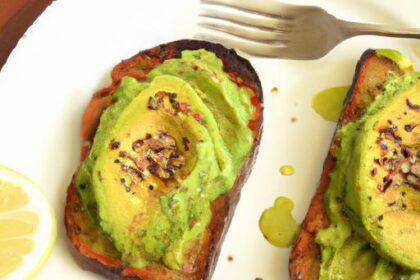
Chickpea flour flatbreads shine as a vibrant canvas-spread with a dollop of roasted red pepper tahini or topped with fresh avocado, a sprinkle of pomegranate seeds, and microgreens for a stunning vegetarian snack.
Layer them as a wrap with grilled vegetables or spiced chickpeas for a wholesome lunch, or serve alongside a fragrant curry or smoky baba ganoush to elevate any meal. A touch of lemon zest and fresh herbs on top brightens the palate, while a drizzle of high-quality extra virgin olive oil finishes your creation with luxurious silkiness.
| Nutrient | Per Flatbread |
|---|---|
| Calories | 110 kcal |
| Protein | 5 g |
| Carbohydrates | 15 g |
| Fat | 4 g |

For more flavor inspiration, explore our Mediterranean flatbreads collection, or deepen your understanding of chickpea flour’s nutritional profile through this extensive Healthline guide.
Q&A
Q&A: Chickpea Flour Flatbreads – Ancient Grain, Modern Twist
Q1: What makes chickpea flour flatbreads stand out compared to customary wheat-based flatbreads?
A1: Chickpea flour flatbreads bring a unique nutty flavor and a hearty texture that’s both gluten-free and packed with protein. Unlike wheat, chickpea flour has an ancient lineage dating back thousands of years, celebrated across Mediterranean and South Asian cuisines. These flatbreads offer a nutritious alternative that balances tradition with today’s dietary trends.
Q2: How has chickpea flour been used historically, and why is it seeing a resurgence now?
A2: Chickpea flour has been a pantry staple in various cultures-from Indian besan to Italian farina di ceci-for centuries. Its resilience and versatility made it essential in times of scarcity and celebration alike. Today, as more people seek plant-based, nutrient-dense flours, chickpea flour is experiencing a renaissance, inspiring innovative recipes that honor its heritage while embracing modern flavors.
Q3: Can chickpea flour flatbreads be easily integrated into everyday meals?
A3: Absolutely! Their swift preparation and adaptable taste make them a perfect canvas for everything from savory toppings like roasted vegetables and tangy tahini to sweet toppings like spiced honey and fruit compotes. Whether as a wrap, a snack, or a side dish, chickpea flatbreads are a practical and delicious addition to your kitchen repertoire.
Q4: What are some simple tips for making the perfect chickpea flour flatbread at home?
A4: Start with a smooth batter-whisk chickpea flour with water, a pinch of salt, and optional spices such as cumin or turmeric. Let the batter rest for 20-30 minutes to improve texture and flavor. Cook on a medium-hot skillet without oil for a crispy exterior and tender inside. Experiment with fresh herbs or garlic to elevate the flavor profile.
Q5: How does the nutritional profile of chickpea flour compare to other flours used for flatbreads?
A5: Chickpea flour is a powerhouse of plant-based protein, fiber, and essential minerals like iron and magnesium. Compared to refined wheat flour, it has a lower glycemic index, making it a heart-healthy option that supports sustained energy release. Plus, it’s naturally gluten-free, catering to a diverse range of dietary needs.
Q6: Are there cultural variations of chickpea flour flatbreads worth exploring?
A6: Certainly! in India, “pudla” or “besan chilla” are savory pancakes often studded with onions and chilies. The Mediterranean “socca” is a thin, crispy chickpea pancake that’s perfect with a drizzle of olive oil and fresh herbs. Each variation brings a distinct cultural flavor, inviting you to taste history through your fingertips.
Q7: What modern twists can one add to elevate the classic chickpea flatbread?
A7: Think beyond the basics-incorporate vibrant additions like sun-dried tomatoes, olives, or freshly grated vegan cheeses. Infuse your batter with spices like smoked paprika or za’atar, or try folding in finely chopped kale or spinach for a nutrition boost. these contemporary tweaks honor the grain’s legacy while creating a fresh culinary experience.
Q8: How can chickpea flour flatbreads contribute to lasting cooking?
A8: Chickpeas are a legume that enriches soil by fixing nitrogen, reducing the need for synthetic fertilizers. Using chickpea flour promotes plant-based eating, which generally has a smaller environmental footprint than animal-based ingredients. Choosing ancient grains like chickpeas supports biodiversity and culinary diversity, nurturing both the earth and your palate.
Q9: Can chickpea flour flatbreads be frozen or stored for later use?
A9: Yes! Cooked flatbreads freeze beautifully when layered between parchment paper in an airtight container.Reheat gently on a skillet or in the oven to revive their crispness. this makes them an excellent option for meal prep, quick snacks, or last-minute gatherings.Q10: What beverages or accompaniments pair well with chickpea flour flatbreads?
A10: Freshly squeezed citrus juices, spiced teas like chai, or refreshing herb-infused waters complement the earthy notes of chickpea flatbreads. Pairing these flatbreads with vibrant dips like roasted red pepper hummus, baba ganoush, or tangy yogurt-based sauces creates a balanced and inviting flavor experience.
Whether you’re a curious novice or an ancient grain aficionado, chickpea flour flatbreads offer a delicious bridge between time-honored tradition and contemporary culinary creativity. Give them a try-you might just find a new favorite that’s as nourishing as it is indeed flavorful.
Insights and Conclusions
From the sunbaked fields where chickpeas have thrived for millennia to your modern kitchen countertop, chickpea flour flatbreads carry with them a story of resilience, nourishment, and culinary innovation. These ancient grains, ground into golden flour, invite us to reconnect with time-honored traditions while embracing new flavors and textures that suit today’s vibrant palates. whether you’re rolling them out for a quick weekday meal or elevating them with fresh herbs and spices for a weekend feast, chickpea flour flatbreads prove that age-old ingredients can always find a fresh, delicious purpose. In every bite, you taste not just nourishment, but a bridge between history and modernity-a simple, wholesome canvas for endless creativity.