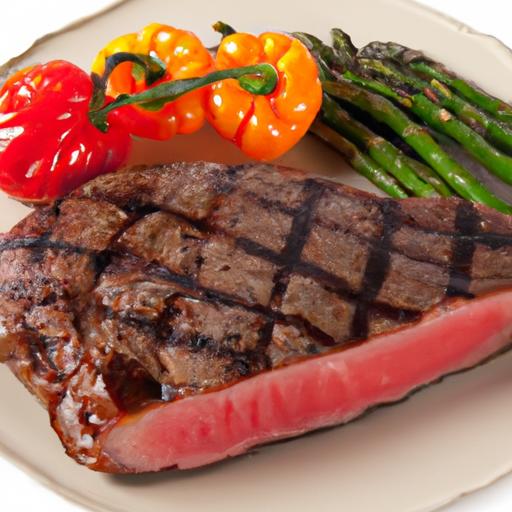

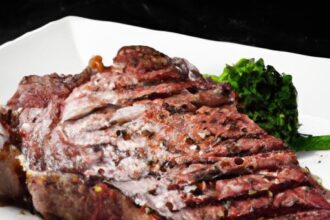



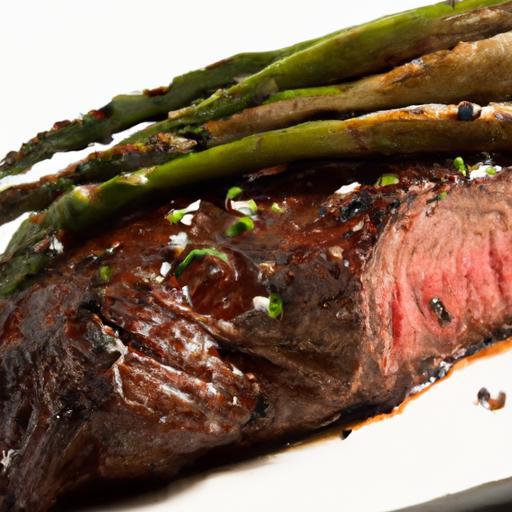
There’s something almost sacred about cooking the perfect steak-a sizzling symphony of flavor, texture, and aroma that transforms a simple cut of meat into an unforgettable dining experience. Yet, despite its seemingly straightforward nature, mastering the art of steak-cooking can be a subtle, nuanced endeavor. From selecting the right cut to achieving that ideal sear, every step plays a pivotal role in crafting steakhouse-quality excellence at home. In this article, we’ll unravel the secrets and techniques behind the best way to cook a perfect steak, guiding you through each stage with precision and passion. Whether you’re a novice eager to impress or a seasoned cook seeking to refine your skills, prepare to elevate your steak game to mouthwatering new heights.
Mastering the art of cooking the perfect steak starts with an understanding of the nuances behind selecting the right cut, managing precise temperature, perfecting seasoning, and knowing how to rest and serve it to retain ultimate juiciness. Each decision you make in this process transforms a simple slab of meat into an unforgettable culinary masterpiece that delights both the eyes and palate.
Choosing the Ideal Cut for Flavor and Texture
When embarking on your steak journey, the choice of cut is fundamental. Cuts like ribeye bring buttery marbling and rich flavor, ideal for those who crave tenderness enveloped in juicy fattiness. If you prefer a leaner bite that still packs bold beefy notes, sirloin or striploin deliver beautifully balanced texture and taste. For supreme tenderness and subtle buttery flavor, filet mignon remains the crown jewel, perfect for special occasions. Always look for a steak with a vibrant, cherry-red color and fine marbling for optimum succulence.
Unlocking the Secrets of Precise Temperature Control
Precision in temperature is the secret craft behind every expertly cooked steak.Searing at high heat creates the coveted Maillard reaction,producing a flavorful crust that locks moisture inside. Aim for a hot cast-iron skillet or grill-around 450°F (232°C)-to achieve this. Use a reliable meat thermometer to monitor internal doneness: 120°F (49°C) for rare, 130°F (54°C) for medium-rare, and 140°F (60°C) for medium. Avoid guessing; consistent temperature control guarantees tender, evenly cooked results each time.
Seasoning Techniques That Elevate Every Bite
Elevate your steak beyond ordinary by embracing simple yet intentional seasoning. Generous coarse sea salt applied at least 40 minutes before cooking allows the salt to penetrate, enhancing natural flavors while improving texture. Freshly cracked black pepper added just before cooking provides an assertive aroma without burning. For added dimension, consider a light brush of garlic-infused olive oil or a sprinkle of smoked paprika. Minimalism here lets the steak’s intrinsic flavors shine while adding subtle complexity.
resting and Serving Tips for Ultimate Juiciness
Once your steak hits the perfect internal temperature, resist the urge to slice immediately-resting is key. Tent your steak loosely with foil and let it rest for 5 to 10 minutes; this allows juices to redistribute evenly. Cutting too soon results in a dry plate. Serve your masterpiece alongside fresh garnishes such as a pat of herb butter, crisp microgreens, or a sprinkle of flake sea salt that adds an extra dimension of texture and shine right before presenting.
Prep and Cook Time
- Preparation: 15 minutes (including seasoning time)
- cooking: 8-12 minutes (depending on thickness and desired doneness)
Yield
Serves 2 (adjust portions accordingly)
Difficulty Level
medium - Ideal for home cooks eager to hone their technique
Ingredients
- 2 steaks (ribeye, sirloin, striploin, or filet mignon), 1 to 1.5 inches thick
- 1 tbsp coarse sea salt
- 1 tsp freshly cracked black pepper
- 2 tbsp garlic-infused olive oil
- Optional: fresh thyme sprigs or rosemary for aroma
- Flake sea salt for finishing
- Pat of herb butter (unsalted, softened) for serving
Instructions
- Prepare and season: Pat steaks dry with paper towels. sprinkle coarse sea salt generously on both sides and let rest at room temperature for 40 minutes.This helps tenderize and season deeply.
- Heat your pan: Place a heavy cast iron skillet over high heat until it just starts to smoke. Add garlic-infused olive oil to coat the pan lightly.
- Crack pepper: Just before cooking, season steaks with freshly cracked black pepper to prevent burning and add fresh aroma.
- Sear the steak: Place the steaks in the hot skillet. Sear without moving for 3-4 minutes until a rich, golden-brown crust develops. Flip and sear the other side for 3 minutes.
- Check doneness: Use an instant-read thermometer inserted into the thickest part of the steak to check internal temperature: 120°F for rare, 130°F for medium-rare, or 140°F for medium. Adjust cooking time briefly if needed.
- Rest: Transfer the steaks to a warm plate, tent loosely with foil, and rest for 7-10 minutes to allow juices to redistribute.
- Serve and garnish: Slice steaks against the grain if desired. Top with a pat of herb butter and sprinkle lightly with flake sea salt. Add fresh thyme sprigs or microgreens for color and fragrance.
Tips for Success
- Room temperature steaks: Allow your steak to come to room temperature before cooking for even heat penetration.
- Reverse sear option: For thicker cuts,cook steak slowly at a lower oven temp before searing to finish and develop crust.
- Oil choice matters: Use oils with high smoke points like avocado or refined olive oil for searing.
- Make-ahead: Season steaks early for deeper flavor; simply pat dry again before cooking if excess moisture forms on surface.
- Rest properly: Resting under foil keeps steak warm without steaming the crust.
Serving Suggestions
Serve your perfectly cooked steak with crispy garlic mashed potatoes or grilled seasonal vegetables tossed in rosemary and olive oil. A fresh green salad with lemon vinaigrette brightens the plate. Add a side of caramelized shallots or sautéed wild mushrooms for earthiness and visual contrast. A drizzle of balsamic glaze or a sprinkle of smoked sea salt can take the experience to elegant heights.

| Nutrient | Per Serving |
|---|---|
| Calories | 450 kcal |
| Protein | 42 g |
| Carbohydrates | 2 g |
| Fat | 30 g |
For deeper insights into steak selection and cooking techniques, visit our detailed Ultimate Steak Guide. for scientific background on the Maillard reaction and temperature effects, consult this ScienceDaily article.
Q&A
Q&A: Mastering the Art: The Best Way to Cook a Perfect Steak
Q1: What is the single most critically important factor in cooking a perfect steak?
A: The most crucial factor is temperature control.whether you’re grilling, pan-searing, or broiling, maintaining the right heat ensures that your steak forms a stunning crust without overcooking the inside. Starting with a hot surface and finishing at the right internal temperature is key to that perfect balance of flavor and texture.
Q2: Should I season my steak in advance or just before cooking?
A: For the best flavor penetration, season your steak generously with salt at least 40 minutes before cooking or right before it hits the heat. Salting early allows the salt to draw moisture from the steak, wich then reabsorbs, tenderizing the meat and enhancing taste. If in a rush, seasoning just before cooking still delivers a delicious crust.
Q3: What cut of beef is best for a perfect steak?
A: The choice depends on your preference for tenderness, marbling, and flavor. classics like ribeye,New York strip,and filet mignon each offer unique experiences - ribeye for rich marbling and juicy fat,strip for a good balance of tenderness and beefy flavor,and filet for buttery softness. Knowing the characteristics helps tailor your cooking method.Q4: How do I know when my steak is perfectly cooked?
A: Using a reliable meat thermometer is your best bet. For medium-rare, aim for 130-135°F (54-57°C); medium is around 140-145°F (60-63°C). If you prefer to go by touch, the “finger test” compares the firmness of the steak to different parts of your hand - a handy skill but requires practice.Q5: Is resting the steak after cooking realy necessary?
A: Absolutely. Resting allows the juices to redistribute throughout the meat, making every bite juicy and tender instead of dry and tough. Typically, letting your steak rest for 5 to 10 minutes under loose foil is perfect.
Q6: Can I cook a perfect steak indoors without a grill?
A: Definitely! A heavy cast-iron skillet can replicate the intense heat of a grill. Preheat the pan until it’s smoking hot, add a bit of oil, sear the steak on both sides, then finish in the oven if needed. This method locks in flavor and creates that coveted crust.
Q7: How important is the quality of the beef in mastering steak cooking?
A: Quality matters immensely. A well-marbled, fresh cut will reward you with superior taste and tenderness. Wherever possible, choose steaks from reputable sources, and consider aging methods like dry-aging for enhanced flavor complexity.Q8: What role does oil or fat play when cooking steak?
A: Using a high-smoke-point oil, like grapeseed or avocado, helps achieve an even, crispy sear without burning.Additionally, finishing with a pat of butter or a drizzle of compound butter post-cooking adds richness and depth.Just remember, too much fat during cooking can cause flare-ups or smoke.Q9: Are thickness and size critically important when cooking steak?
A: Yes, thicker steaks allow for a better contrast between a seared crust and a tender, juicy interior.Thin steaks cook quickly and can be more challenging to get medium-rare without overcooking. target cuts at least 1 to 1.5 inches thick for optimal results.
Q10: What common mistakes should I avoid when cooking steak?
A: Avoid cooking cold steak straight from the fridge – let it reach room temperature first. Don’t flip too frequently enough; one or two flips are enough to build a good crust. Overcrowding the pan lowers heat and yields a steamed rather than seared result. Lastly, skipping the resting period is a frequent pitfall that compromises juiciness.
Mastering a perfect steak is a dance between heat, timing, and technique. With these insights, your next steak dinner will be nothing short of a culinary masterpiece.
Key Takeaways
As the sizzle fades and the aroma lingers, mastering the art of cooking the perfect steak transforms from a simple culinary task into a gratifying ritual.Whether you favor a charred crust or a tender, juicy center, understanding the nuances of heat, timing, and seasoning unlocks a world of flavor that’s uniquely your own. So next time you fire up the grill or heat the pan, remember: perfection is less about precision and more about passion. Embrace the journey, experiment boldly, and savor every delicious triumph along the way. Your perfect steak awaits-ready to be crafted, cherished, and devoured.