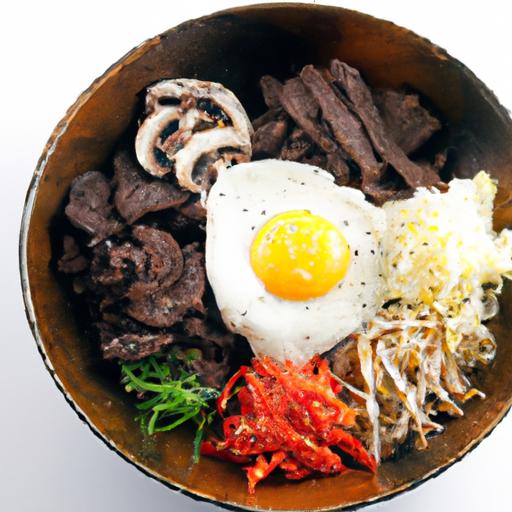




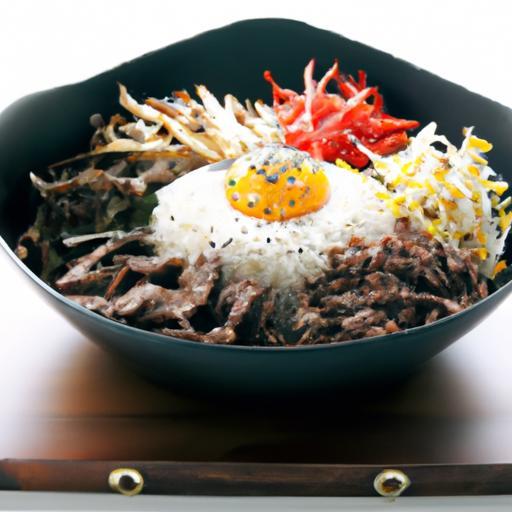
Nestled within the vibrant tapestry of Korean cuisine lies a dish that tells a story with every bite-Beef Bibimbap, a harmonious blend of colors, textures, and flavors that has captured the hearts and palates of food lovers around the world. More than just a meal, bibimbap is a celebration of balance and tradition, where tender marinated beef meets an orchestra of fresh vegetables, fragrant rice, and a bold hint of spicy gochujang. In this article, we unveil the secrets behind this flavorful Korean classic, exploring its rich history, cultural significance, and the artful preparation that transforms simple ingredients into a feast for both the eyes and the soul. Join us on a culinary journey to discover why Beef Bibimbap remains an enduring symbol of Korean comfort and culinary brilliance.
Beef Bibimbap Bliss is more than just a meal; it’s a vibrant tapestry of Korean culinary artistry and cultural heritage.This iconic dish brings together warm rice, seasoned vegetables, perfectly cooked beef, and a fiery swirl of gochujang sauce, all harmoniously blended to create a symphony of flavors and textures. Originating from the traditional Korean practice of mixing leftovers with rice, bibimbap has evolved over centuries into a beloved symbol of balance and nutrition, showcasing the philosophy of “five colors” representing health and happiness.
Prep and Cook Time
- Preparation: 20 minutes
- Cooking: 15 minutes
- Total Time: 35 minutes
Yield
Serves 4 generous portions
Difficulty Level
Medium – ideal for home cooks seeking an authentic Korean cooking experience
Essential Ingredients for an Authentic Bibimbap Experience
- 2 cups cooked short-grain white rice (preferably warm)
- 300g lean beef sirloin, thinly sliced against the grain
- 1 medium zucchini, julienned
- 1 large carrot, julienned
- 2 cups bean sprouts, blanched
- 4 shiitake mushrooms, thinly sliced
- 2 cloves garlic, minced
- 4 large eggs (for frying sunny-side up)
- 2 tablespoons sesame oil (toasted preferred)
- 2 tablespoons soy sauce (for beef marinade)
- 1 tablespoon gochujang (Korean chili paste) – adjust to taste
- 1 tablespoon honey or brown sugar
- 1 teaspoon freshly ground black pepper
- 1 tablespoon vegetable oil (for stir-frying beef and veggies)
- 1 teaspoon toasted sesame seeds, for garnish
- 2 green onions, thinly sliced (optional garnish)
Step by Step Guide to Preparing Perfectly Seasoned Beef
- Marinate the beef: In a medium bowl, combine the thinly sliced beef with 2 tablespoons soy sauce, 1 tablespoon honey, minced garlic, and black pepper. Mix thoroughly, coating each piece evenly. Let it rest for at least 15 minutes to absorb the savory marinade.
- Heat the pan: Warm 1 tablespoon vegetable oil over medium-high heat until shimmering. This ensures a perfect sear without sticking.
- Sear the beef: Add the marinated beef in a single layer. Sauté until browned and cooked through,approximately 3-5 minutes,stirring occasionally to retain juiciness but avoid overcrowding the pan.
- Set aside the beef: Transfer onto a plate and cover loosely to retain warmth while preparing vegetables.
- Sear the vegetables separately: Using the same pan, briefly sauté zucchini, carrots, and shiitake mushrooms each for 2-3 minutes until just tender but still vibrant. Season lightly with salt and a drizzle of sesame oil for depth.
- Prepare the bean sprouts: Quickly blanch in boiling water for 1-2 minutes, drain well, and toss with a pinch of salt and sesame oil.
Tips for Assembling and Serving Your Bibimbap Like a Pro
- Warm your serving bowls: This keeps the rice and ingredients at the perfect temperature and prevents chilling once served.
- Layer the rice: Spoon ½ cup of fluffy warm rice as the base in each bowl, gently pressing it down for a neat foundation.
- Arrange the toppings: Artistically place each vegetable and beef slice on top of the rice in distinct sections to highlight thier vibrant colors – think of it as edible art.
- Fry the egg: Prepare a sunny-side up egg per bowl with a luscious runny yolk; this element adds creaminess when mixed in.
- Garnish with care: Sprinkle toasted sesame seeds and finely sliced green onions for that final aromatic touch.
- Serve with gochujang: Provide a generous spoonful of the chili paste on the side or atop the bowl for diners to adjust heat levels.
- Mix before eating: Encourage mixing all components deeply before the first bite to ensure an explosion of balanced flavor and texture in every mouthful.
Chef’s Notes
- Variation: For a vegetarian twist, swap beef with marinated tofu or tempeh, using soy sauce and sesame oil as your base marinade.
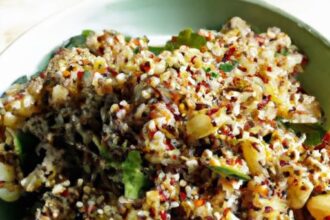
- Substitution: Brown rice or quinoa can replace white rice for a heartier, fiber-rich option.
- Make-ahead: prepare and marinate the beef and chop vegetables up to 8 hours in advance; refrigerate separately to preserve freshness.
- Pro Tip: For an added crunch, lightly toast pine nuts or crushed seaweed flakes to sprinkle over the finished bowl.
- Common mistake: Avoid overcooking vegetables – they should remain bright and slightly crisp for contrast.
Serving Suggestions
Present your bibimbap in beautiful, deep bowls to showcase the kaleidoscope of colors. Accompany with a light side of kimchi or pickled radish for tang and contrast. A simple bowl of miso soup or a refreshing cucumber salad pairs wonderfully, perfectly rounding out a Korean-inspired feast.A small drizzle of toasted sesame oil over the top just before serving will also enhance aroma and flavor.

| Nutrition (per serving) | Calories | Protein | Carbs | Fat |
|---|---|---|---|---|
| Beef Bibimbap Bliss | 540 kcal | 35 g | 60 g | 15 g |
Explore more Korean dishes with our Authentic Korean Recipes collection. For deeper insights into Korea’s culinary culture, visit Korea.net – Food Culture.
Q&A
Q&A: Beef Bibimbap Bliss – A Flavorful Korean Classic Unveiled
Q1: What is Bibimbap, and why is it so beloved in Korean cuisine?
A1: Bibimbap literally means “mixed rice” in Korean, a vibrant bowl of warm rice topped with an array of sautéed and seasoned vegetables, marinated beef, a fried egg, and spicy gochujang sauce. Its allure lies in the harmonious blend of textures, colors, and flavors, offering a balanced and nutritious meal that’s as visually stunning as it is satisfying. it’s a culinary masterpiece that celebrates simplicity and complexity in every bite.
Q2: What makes beef bibimbap especially special compared to other variations?
A2: Incorporating beef into bibimbap adds a rich, savory depth and a touch of umami that elevates the dish. The tender, marinated beef strips bring robust flavor and protein, perfectly complementing the fresh vegetables and spicy chili paste. The beef’s caramelized edges juxtapose beautifully with crisp, earthy veggies, creating a delightful contrast that’s deeply comforting and hearty.
Q3: Which vegetables are traditionally used in beef bibimbap, and how do they contribute to the dish?
A3: Classic vegetables include julienned carrots, spinach, bean sprouts, zucchini, shiitake mushrooms, and sometimes fernbrake or cucumbers. Each veggie is lightly sautéed or blanched to preserve its natural flavor and texture. These colorful ingredients add layers of freshness, crunch, and subtle sweetness, making each spoonful a multisensory experience that’s both wholesome and refreshing.
Q4: How is the beef typically prepared for Bibimbap?
A4: The beef is usually thinly sliced and marinated in a mixture of soy sauce, garlic, sesame oil, sugar, and a touch of ginger, allowing it to soak up savory and slightly sweet flavors. It’s then quickly stir-fried over high heat to caramelize the edges while keeping the meat tender and juicy. This preparation ensures each bite bursts with rich, mouthwatering taste.
Q5: What role does gochujang play in the flavor profile of beef bibimbap?
A5: Gochujang, a fermented red chili paste, is the fiery heart of bibimbap. It brings a perfect balance of heat, subtle sweetness, and deep umami that ties all the ingredients together. When mixed into the bowl, it enlivens each component with its vibrant kick, making every mouthful dance with bold Korean flavor.
Q6: Can you describe the ideal way to eat bibimbap?
A6: The magic of bibimbap is in its mixing. Before digging in,drizzle the gochujang sauce over the toppings,break the yolk of the fried egg,then vigorously mix everything together until every grain of rice is coated and every texture melds into a symphony of taste. This blending creates an exciting medley of flavors and textures that changes with each bite.
Q7: Are there any tips for making authentic beef bibimbap at home?
A7: Absolutely! Prioritize fresh, seasonal vegetables and slice them uniformly for even cooking. Marinate the beef for at least 30 minutes to deepen flavor. Use a sturdy skillet or a traditional dolsot (stone bowl) to get a crispy layer of rice at the bottom, adding a delightful crunch. Lastly, don’t skimp on gochujang-it’s the soul of bibimbap, so use it generously!
Q8: How has bibimbap evolved beyond traditional Korean dining?
A8: Bibimbap has beautifully crossed global boundaries, inspiring fusion twists without losing its essence. Chefs experiment with different proteins, grains, and international veggies, but the core idea remains-a vibrant, nutritious bowl that celebrates the art of harmonious mixing. It’s become a beloved symbol of Korean food culture and a gateway for many into the world of Korean flavors.
Q9: What nutritional benefits does beef bibimbap offer?
A9: Beef bibimbap is a powerhouse of balanced nutrition. The lean beef provides high-quality protein and iron, while the variety of vegetables contributes fiber, vitamins, and antioxidants. Rice delivers essential carbohydrates for energy, and the egg adds healthy fats and protein. Combined with fermented gochujang, the dish supports digestion and offers a wholesome, satisfying meal.
Q10: What cultural significance does bibimbap hold in Korea?
A10: Beyond its deliciousness, bibimbap embodies Korean values of harmony and balance-different ingredients coming together to create something greater than the sum of their parts. Often enjoyed during festivals or family gatherings, it’s a dish that fosters connection and tradition. Bibimbap is a cultural ambassador, inviting all who taste it to dive into Korea’s rich culinary heritage.
Future Outlook
As the final grains of rice settle beneath a vibrant mosaic of seasoned vegetables, tender beef, and the unmistakable kick of gochujang, Beef Bibimbap stands as a testament to Korea’s rich culinary heritage. This harmonious dish, blending texture and flavor in every savory bite, invites both novice and seasoned food lovers to experience a symphony on the palate. Whether enjoyed in a bustling Seoul eatery or recreated in your own kitchen, Beef Bibimbap remains a flavorful classic-unveiling not just a meal, but a story of tradition, balance, and blissful satisfaction. So next time hunger strikes, let this Korean masterpiece be your delicious destination.