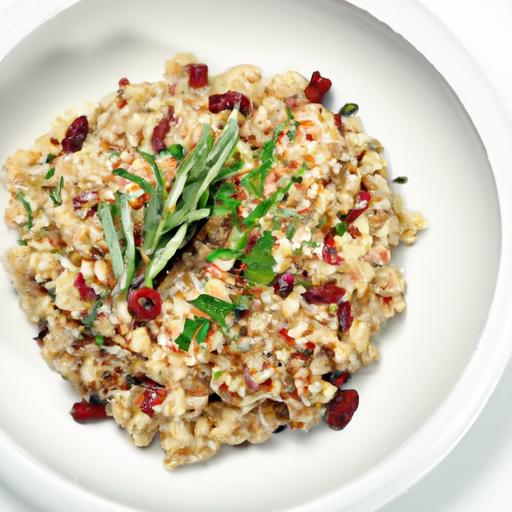




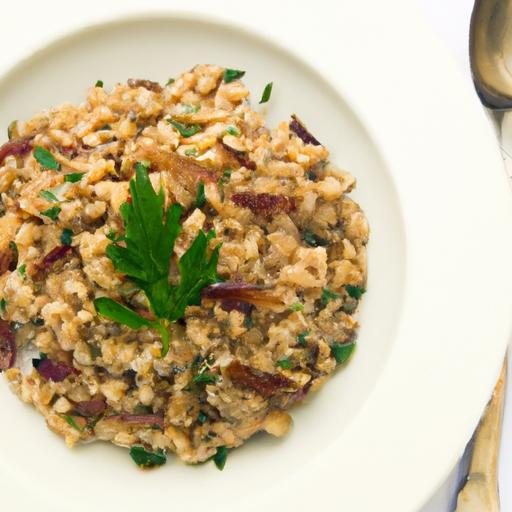
When you think of risotto, creamy Arborio rice gently simmered in broth and enriched with cheese likely comes to mind-a quintessential comfort food hailing from the heart of Italy. But what if this beloved classic took a delightful detour, embracing a grain with a richer, nuttier personality? Enter barley risotto: a hearty, wholesome twist that reinvents tradition without losing its soul. Bursting with earthy flavors and a satisfying chew, barley transforms the familiar into something refreshingly unexpected, inviting both risotto aficionados and curious food lovers to savor a new dimension of this cherished dish. In this article, we’ll explore how barley brings its unique charm to risotto, enhancing nutrition and texture while staying true to the artful essence of Italian cuisine.
The Nutty Flavor Profile of Barley and Its Culinary Benefits
Barley risotto unveils a delightfully nutty flavor profile that transforms the customary starch base, offering both depth and warmth with every bite. Unlike arborio rice, barley’s subtle earthiness and chewy texture bring a hearty complexity, making this a truly satisfying twist on a classic Italian dish. Beyond taste,barley packs an remarkable nutritional punch-rich in fiber,B vitamins,and antioxidants-making it a smarter choice for health-conscious food lovers. Its slow release of energy and ability to absorb rich broths impart a creamy body perfect for risotto-style cooking, allowing you to indulge without compromise.
Choosing the Perfect Barley Variety for a Creamy Risotto Texture
For an irresistibly creamy barley risotto, selecting the right barley variety is the first step to success. Pearl barley, which has had its outer husk and bran removed, cooks faster and delivers a softer chew-ideal for silky risottos.For those craving a nuttier bite and extra fiber, hulled barley can be used, though it requires longer cooking and yields a firmer texture. When sourcing barley, look for grains that glisten with freshness and avoid any that feel brittle or dusty. Soaking pearl barley for 30 minutes before cooking can further enhance creaminess and reduce cooking time.
Step by Step Guide to Cooking barley Risotto to Perfection
Mastering barley risotto begins with layering flavors and cooking the grains with care. Unlike rice risottos, barley needs slightly longer gentle simmering, with frequent stirring to coax out its natural starches. Use a rich vegetable broth infused with aromatics like fresh thyme and garlic for maximum depth.As you gradually ladle warm broth, the barley releases that signature creamy texture, allowing you to cultivate luscious silkiness without heaviness. Cooking over moderate heat prevents the grains from becoming mushy while preserving the nutty undertone that defines this dish.
Prep and Cook Time: 50 minutes total (15 minutes prep, 35 minutes cooking)
Yield: 4 generous servings
Difficulty Level: Medium – perfect for adventurous home cooks ready to explore hearty grains
Ingredients
- 1 cup pearl barley, rinsed and soaked for 30 minutes
- 4 cups vegetable broth, kept warm
- 1 small onion, finely diced
- 2 cloves garlic, minced
- 3 tbsp extra-virgin olive oil
- ½ cup grated Parmigiano-Reggiano cheese (or vegetarian hard cheese alternative), plus extra for garnish
- 1 tbsp unsalted butter
- Salt and freshly ground black pepper, to taste
- Fresh thyme sprigs (optional, for infusion and garnish)
- 1 cup assorted mushrooms, sliced (optional, enhances umami)
Instructions
- Prepare the broth: In a medium saucepan, warm the vegetable broth over low heat and add thyme sprigs for infusion. Keep it at a gentle simmer throughout cooking.
- Sauté aromatics: Heat olive oil in a deep skillet or heavy saucepan over medium heat. Add onion and sauté until translucent and soft, about 5 minutes.
- Add garlic and mushrooms: Stir in the minced garlic and sliced mushrooms. Cook until mushrooms release their juices and become golden, about 6 minutes, stirring occasionally.
- Add barley: Drain the soaked barley and add it to the skillet. Stir continuously for 2 minutes to toast the grains lightly, bringing out their nutty flavor.
- Begin ladling broth: Pour in a ladleful of the warm broth, stirring constantly until the barley absorbs the liquid. Repeat one ladle at a time, stirring gently but continuously, allowing the barley to release starch and develop creaminess.
- Cook to tender: Continue adding broth gradually for about 30 minutes until the barley is tender but still has a slight chew; not mushy. Adjust seasoning with salt and pepper while cooking.
- Finish with richness: Remove from heat and stir in butter and grated cheese until fully melted and incorporated,creating a luscious,velvety finish.
- Rest briefly: Cover and let the risotto rest for 2-3 minutes to settle flavors and texture.
- Serve: Spoon onto warm plates, garnish with extra Parmigiano and fresh thyme leaves.
Chefs Notes & Tips for Success
- Substitutions: Swap pearl barley for hulled barley if you prefer more chew and fiber-just extend cooking time to 50 minutes.
- Broth: For a richer taste, use homemade vegetable broth infused with dried porcini mushrooms or roasted vegetables.
- make-ahead: Prepare risotto up to step 7, cool, refrigerate, and reheat with a splash of broth or water, stirring gently to revive creaminess.
- Texture troubleshooting: If the risotto is too firm before broth runs out, add warm water as needed rather than cold liquids to maintain temperature.
- enhancements: Stir in blanched greens like spinach or kale at the end for color and nutrition.
Serving Suggestions
Barley risotto shines as a hearty main or an elegant side. Present it drizzled with high-quality extra-virgin olive oil, a sprinkle of toasted pine nuts for crunch, and a few microgreens or fresh herbs to soften its rustic appeal. Pair with a crisp, shining salad of arugula and citrus to contrast the creamy texture. For a warming, vegetarian comfort meal, serve alongside roasted root vegetables or grilled seasonal squash.

| Nutrient | Per Serving |
|---|---|
| Calories | 320 kcal |
| Protein | 10 g |
| Carbohydrates | 50 g |
| Fat | 8 g |
Explore more wholesome whole-grain recipes in our Ultimate Whole Grain Cooking Guide and learn about the science behind starches from encyclopedia britannica.
Q&A
Q&A: Barley Risotto – A Nutty Twist on a Classic italian Dish
Q1: What exactly is barley risotto?
barley risotto is a hearty and wholesome variation of the traditional Italian risotto. Instead of using the typical Arborio rice, this dish swaps in pearl barley, offering a nutty flavor and a pleasantly chewy texture while maintaining the creamy essence that defines a classic risotto.
Q2: Why use barley instead of rice?
Barley adds a unique dimension to risotto. Its slightly chewy texture contrasts beautifully with the creamy broth, creating an earthier, more rustic eating experience. It’s also packed with fiber and nutrients, making it a nutritious twist that’s both satisfying and good for you.
Q3: How does barley affect the cooking process compared to rice?
barley takes a bit longer to cook than arborio rice-usually around 35-40 minutes-but it absorbs liquid in a similar way, gradually releasing starch and creating that velvety risotto consistency.Patience is key, and frequent stirring helps coax out the best creaminess.
Q4: Can you prepare barley risotto using vegetable broth for a vegetarian or vegan option?
Absolutely! Barley risotto pairs wonderfully with vegetable broth,creating a vibrant base that lets other flavors shine through. Boost it further with sautéed mushrooms, roasted root vegetables, fresh herbs, or a sprinkle of nutritional yeast or vegan cheese for added richness.
Q5: What flavors complement barley risotto best?
Since barley has a nutty, earthy profile, it harmonizes well with ingredients like sautéed garlic, caramelized onions, mushrooms, roasted squash, and fresh herbs such as sage or thyme. A squeeze of lemon or a dash of balsamic vinegar can add brightness to the dish.
Q6: Is barley risotto suitable for gluten-free diets?
Barley contains gluten, so it’s not suitable for those with celiac disease or gluten sensitivity. However, for anyone without gluten restrictions, it’s a delightful way to switch up the risotto routine.
Q7: Can barley risotto be made ahead and reheated?
Yes,you can prepare it in advance! The texture will firm up as it cools,so when reheating,add a splash of broth or water and gently warm it on the stove while stirring to revive its creamy consistency.
Q8: Are there different types of barley to use for risotto?
Pearl barley is the preferred choice due to its speedy cooking time and tender bite. Hulled barley is less processed but takes longer to cook and remains chewier-great if you prefer more bite, just allow extra cooking time.
Q9: How do you achieve the perfect creamy texture in barley risotto?
slowly adding warm broth a little at a time and frequently stirring coaxes starches from the barley, creating that luscious creaminess.Avoid rushing the process or adding too much liquid at once-patience allows the flavors and textures to develop organically.
Q10: What are some creative finishing touches for barley risotto?
Try topping your barley risotto with toasted nuts or seeds for crunch, a drizzle of high-quality extra virgin olive oil, fresh microgreens, or a scattering of shaved hard cheese like Parmigiano-Reggiano (if dairy is allowed). A sprinkle of cracked black pepper or a pinch of chili flakes can also add a nice kick to this comforting dish.
Final Thoughts
As you savor the last bite of this barley risotto, let the nutty aroma linger as a gentle reminder that traditions can always be reimagined. By swapping out classic arborio rice for wholesome barley, you invite not onyl a delightful texture but also a boost of fiber and a subtle earthiness that elevates this beloved Italian dish to new heights. Whether you’re a risotto purist or an adventurous foodie, barley risotto offers a nourishing twist that bridges rustic charm with culinary innovation-proving that sometimes, the best way to honor a classic is to give it a fresh, flavorful spin. So next time you seek comfort with a gourmet flair, let barley lead the way. Buon appetito!