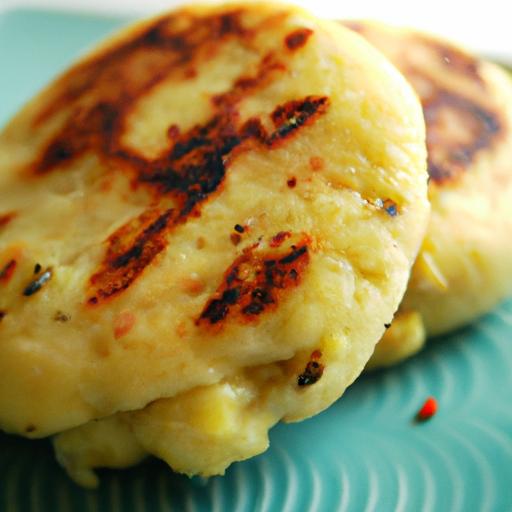



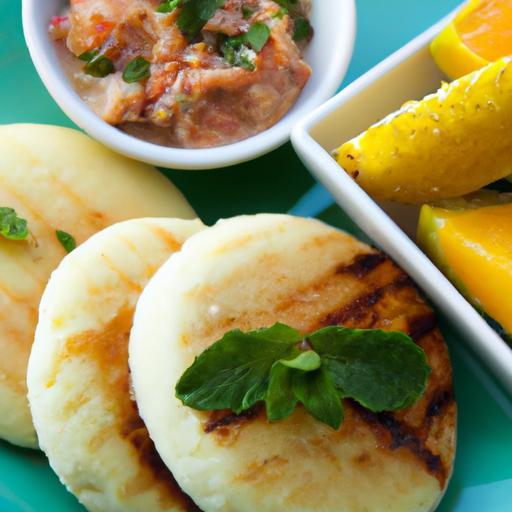
In the heart of Colombia’s vibrant culinary landscape lies a humble yet beloved treasure: the arepa.This golden, crispy-edged corn cake has graced Colombian tables for centuries, embodying a perfect blend of simplicity adn rich cultural heritage.more than just a dish, the arepa is a symbol of tradition, community, and the spirited flavors that define colombian cuisine. In this article, we invite you on a flavorful journey to discover an authentic Colombian arepas recipe-a taste of tradition that has been lovingly passed down through generations and continues to bring warmth to homes across the nation. Whether enjoyed for breakfast, lunch, or a comforting snack, mastering this recipe opens a doorway to experiencing Colombia’s vibrant spirit one bite at a time.
Authentic Colombian arepas are more than just a staple food-they are a cultural symbol deeply woven into Colombian heritage and daily life. This Authentic Colombian Arepas Recipe invites you on a flavorful journey to the heart of Colombia, where humble corn cakes transform into comforting, golden rounds of tradition and flavor. Each bite carries centuries of history,regional pride,and the warm spirit of family gatherings,making them a must-try culinary treasure.
Prep and Cook Time
- Prep Time: 15 minutes
- Cook Time: 20 minutes
- Total Time: 35 minutes
Yield
Makes 6-8 medium arepas,perfect for sharing or enjoying over several meals.
Difficulty Level
Easy – ideal for both beginners and seasoned cooks looking to master conventional Colombian comforts.
Key Ingredients That Define an Authentic Colombian Arepa
At the core of this Authentic Colombian Arepas Recipe is a focus on simple yet vibrant ingredients that bring out the essence of Colombian cuisine:
- Precooked white cornmeal (masarepa): The foundation for authentic texture, offering a slightly gritty bite and subtle corn flavor.
- Warm water: Moistens the cornmeal gently, allowing for easy dough formation.
- Salt: Enhances the natural sweetness of the corn.
- Butter or vegetable oil: Adds richness and helps achieve a golden crust when cooked.
- Optional cheese (queso fresco or mozzarella): For those who love an indulgent melty center.
Step-by-step Guide to Perfecting the traditional Arepa Dough
- Mix the dry ingredients: In a large bowl, combine 2 cups of precooked white cornmeal and 1 teaspoon of salt.Whisk to evenly distribute the salt.
- add warm water gradually: Pour in 2 ½ cups of warm water slowly, stirring continuously with a wooden spoon or your hands to avoid lumps.
- Incorporate fat: Add 2 tablespoons of melted butter or vegetable oil to the dough, kneading gently until it’s soft but not sticky. If the dough feels too dry, add water one tablespoon at a time.Too wet? sprinkle a bit more cornmeal.
- Rest the dough: Cover with a damp cloth and let it rest for 5 minutes. This step allows the cornmeal to hydrate fully, yielding tender arepas.
- Shape your arepas: Divide the dough into 6-8 equal portions. Roll each into a ball, then flatten into discs about ½ inch thick and 4 inches in diameter. If using cheese,gently press a small amount into the center of each disc and seal it by folding dough over.
- Cook with care: Heat a non-stick skillet or griddle over medium heat. Lightly grease with oil or butter. Place arepas and cook for 5-7 minutes per side, until golden and slightly crisp. For thicker, soft insides, cover the pan with a lid after flipping and cook 3-5 extra minutes.
Creative Serving Suggestions to Elevate Your Colombian Arepa Experience
The beauty of the authentic Colombian Arepas Recipe lies in its versatility-perfect hot from the skillet or stuffed with complementary flavors. Here are some inspiring ideas to make your arepas shine:
- Classic butter and cheese: Slice open and spread with fresh butter and crumbled queso fresco for a simple, satisfying treat.
- Avocado and tomato salsa: Top with fresh avocado slices, a spoonful of chunky tomato salsa, and a sprinkle of cilantro for a bright, fresh bite.
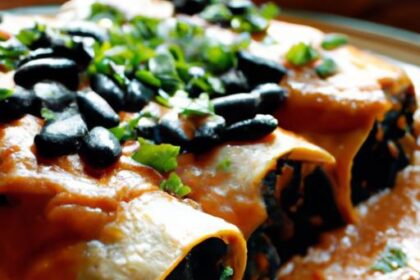
- Black beans and plantains: Layer with seasoned black beans and caramelized plantains for a hearty, sweet-savory combination.
- Egg and sautéed vegetables: Stuff with scrambled eggs and sautéed onions, peppers, and mushrooms-a perfect breakfast or brunch upgrade.
- Spicy aioli drizzle: Add a touch of color and spice by drizzling a homemade garlic-lime aioli or chipotle sauce on top.
Tips for Success
- If your dough cracks when shaping, your dough is too dry-wet your hands slightly and knead gently.
- Resting the dough is crucial for moist, pliable arepas, so don’t skip this step.
- For an extra crispy exterior, finish your arepas in a hot oven (350°F/175°C) for 5 minutes after pan-frying.
- Make ahead: Cooked arepas keep well in the fridge for up to 3 days; reheat on a skillet or toaster for best texture.
- Experiment with cheese fillings for gooey centers, but avoid overfilling to prevent bursting during cooking.
| Nutrition per Arepa (approx.) | Calories | Protein | Carbs | Fat |
|---|---|---|---|---|
| Classic Plain Arepa | 180 kcal | 4 g | 35 g | 3 g |
| Cheese-Filled Arepa | 240 kcal | 9 g | 35 g | 8 g |

Explore more authentic Colombian dishes in our Colombian Food Recipes collection and learn about the history of Latin American cuisines at Encyclopaedia Britannica.
Q&A
Q&A: Authentic Colombian Arepas Recipe – A Taste of Tradition
Q1: What makes Colombian arepas different from other types of arepas?
A1: Colombian arepas are known for their simplicity and versatility. Unlike their Venezuelan counterparts, Colombian arepas often have a more neutral, slightly sweet corn flavor and are typically thinner and crispier on the outside. They serve as a staple food that complements a wide variety of meals, reflecting the rich culinary heritage of Colombia’s diverse regions.
Q2: What are the essential ingredients for making authentic Colombian arepas?
A2: The foundation of Colombian arepas is pre-cooked cornmeal (known locally as masarepa), water, a pinch of salt, and sometimes a bit of oil or butter. This simple lineup results in a deliciously soft interior and a slightly crispy crust, providing the perfect canvas for countless traditional toppings and fillings.
Q3: Can you describe the traditional planning method for these arepas?
A3: Absolutely! The process begins by mixing the pre-cooked cornmeal with warm water and salt, kneading it into a smooth but firm dough. Then, the dough is divided into small balls, wich are flattened into discs. cooking them on a hot griddle or skillet until golden brown on each side seals in their characteristic texture-crispy outside and tender inside.
Q4: How are arepas typically enjoyed in Colombian households?
A4: Arepas are incredibly versatile and enjoyed throughout the day. In Colombia,they might be served plain with butter at breakfast,stuffed with cheese or eggs for a hearty snack,or paired alongside stews and grilled vegetables at lunch and dinner. They adapt beautifully to both sweet and savory preferences.
Q5: Are there regional variations in Colombian arepas?
A5: Definitely! For instance, the arepas from Medellín tend to be thinner and softer, while those from Bogotá may be thicker and often filled with cheese or other local ingredients. Coastal regions may incorporate coarser corn flour or even coconut milk into the dough, reflecting local tastes and agricultural products.
Q6: What are some popular vegetarian fillings or toppings to pair with Colombian arepas?
A6: Colombian cuisine offers plenty of flavorful options like fresh avocados, crumbled white cheese, sautéed mushrooms, scrambled eggs with herbs, or black beans simmered in aromatic spices. Additionally, a drizzle of hogao-a traditional tomato and onion sauce-is a beloved accompaniment that adds depth and brightness.
Q7: Is it possible to make arepas gluten-free?
A7: Yes! since Colombian arepas are made from pre-cooked cornmeal, they are naturally gluten-free. This makes them a perfect choice for anyone seeking a delicious, safe option without gluten.
Q8: How can I store leftover arepas and reheat them without losing their texture?
A8: Leftover arepas can be wrapped tightly and stored in the refrigerator for up to 2 days. To reheat, gently warm them in a skillet over medium heat to restore their crispy exterior while keeping the inside soft. Avoid microwaving, as it tends to make them chewy or soggy.
Q9: What kind of occasions would calling for traditional Colombian arepas?
A9: Arepas fit seamlessly into both everyday meals and festive gatherings. They’re a staple at family breakfasts, street food markets, and seasonal celebrations, embodying a connection to Colombian culture and its love of simple, hearty food crafted with care.
Q10: Can the arepa dough be flavored or enriched in any way?
A10: While tradition favors the pure corn flavor, you can impart subtle nuances by adding finely chopped herbs, a touch of ground cumin, or grated cheese into the dough. Though, true authenticity lies in the dough’s minimalist character, allowing the corn to shine as the star of the dish.
This Q&A reveals the heart and soul of Colombian arepas – humble yet deeply rooted in tradition, offering a taste of Colombia’s vibrant culinary story with every bite.
final Thoughts
As you wrap up your journey into crafting authentic Colombian arepas, you’re not just making a simple corn cake-you’re honoring centuries of tradition, culture, and culinary artistry. Each bite carries the warm essence of Colombian heritage, a testament to the country’s rich history and vibrant flavors. Whether enjoyed plain or stuffed with your favorite fillings, these golden arepas invite you to share in a timeless ritual that connects family tables and celebrates the heart of Colombia. So, gather your ingredients, embrace the process, and let this humble yet soulful recipe transport you to the colorful streets and passionate kitchens where arepas have been cherished for generations.