

Nestled within the vibrant tapestry of Filipino cuisine lies a culinary curiosity that has long captivated-and confounded-food enthusiasts around the world.Balut, a fertilized duck egg delicacy, is much more than just an adventurous snack; it is a cultural emblem steeped in history, tradition, and whispered tales. From bustling street markets to the intimate tables of barangays,this enigmatic treat challenges palates and preconceived notions alike. In this article, we embark on a journey to uncover the origins, planning, and cultural significance of balut, peeling back the layers of mystery that have shrouded one of the Philippines’ most iconic-and controversial-gastronomic treasures.
Origins and Cultural significance of Balut in Filipino Tradition
Balut Uncovered: the Filipino delicacy wrapped in mystery reveals a captivating insight into the rich culinary heritage of the Philippines. This uniquely prepared fertilized duck egg has been savored for centuries, widely regarded as both street food and a symbol of communal bonding. Historically, balut’s origins trace back to the northern regions of the Philippines, were rural communities developed it as an affordable, protein-rich snack. Its preparation and consumption are steeped in cultural significance-often served during festivals,family gatherings,and as a sign of hospitality and courage among friends.
Balut carries more than just nutrients; it embodies an adventurous spirit and tradition that bridges generations. It is a testament to the Filipino ingenuity of turning humble ingredients into a bold culinary experience, celebrated across Southeast Asia. The shared act of cracking open the balut,sipping its savory broth,and savoring its tender embryo is as much about connection as it is indeed about taste.
The Intriguing Process Behind Preparing Balut for Consumption
To truly appreciate balut, understanding its intricate preparation process is essential. Fertilized duck eggs, typically incubated for 16 to 21 days, are carefully selected to achieve the perfect balance of flavour and texture-where the developing embryo is tender yet identifiable. The eggs are then boiled or steamed whole, a practice that requires precision to ensure the delicate contents remain intact.
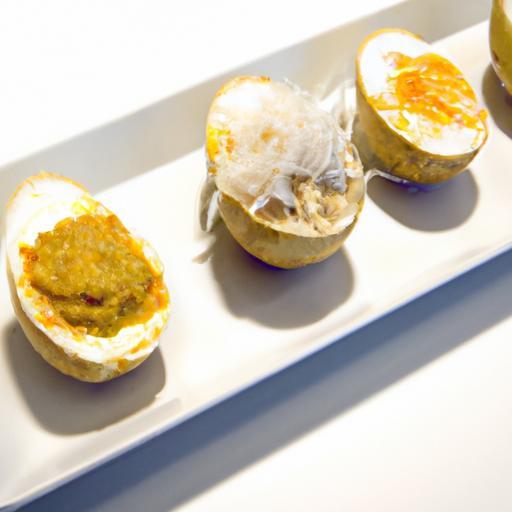
Once cooked, the eggshell is cracked open from the wider end to reveal a rich, savory broth inside the shell, warmed by the cooking process. The broth is sipped first, followed by the yolk and the soft embryo. The process reflects a time-honored patience and respect for the ingredient, inviting tasters into an immersive sensory ritual.
Nutritional Benefits and common Misconceptions About Balut
Balut is frequently enough misunderstood outside its culinary context. Far from being just an exotic novelty, balut offers an impressive nutritional profile. Rich in protein, calcium, and essential vitamins, it is considered a natural energy booster. A single serving can provide up to 15 grams of protein, alongside iron and phosphorus, wich are vital for muscle growth and bone health.
Common misconceptions include assumptions about uncleanliness or unsafety, but balut is carefully handled and cooked to meet strict sanitary standards. Nutritionally, it rivals many premium health foods and is especially favored by athletes and those in need of high-protein sustenance. For those hesitant,understanding its wholesome benefits and cultural value makes balut a fascinating ingredient to explore.
Tips for First-Time Tasters and Where to Experience Authentic Balut
First-time balut tasters are encouraged to approach the experience wiht openness and curiosity. The key is to start with the warm, flavorful broth, which acts as a gentle introduction to the richer components. Use a pinch of salt or a splash of spiced vinegar to brighten the flavors and slowly savor each part of the egg. Many locals recommend enjoying balut fresh with simple sides such as salted cucumber or fresh chili.
For an authentic experience, balut can be sampled in vibrant Filipino night markets, particularly around Manila or Cebu, where vendors serve it piping hot.For travelers or culinary explorers, reputable food tours provide guided tastings and cultural context, enhancing appreciation. A visit to a Philippine street food guide offers valuable tips to confidently explore balut and other local delicacies.
Prep and Cook Time
- Preparation: None (balut eggs are pre-incubated)
- Cooking: 20-30 minutes (boiling or steaming)
- Total Time: 20-30 minutes
Yield
Serves 1 per balut egg (single servings often sold individually)
Difficulty Level
Easy: Minimal cooking skills required; primarily heating eggs
Ingredients
- 4 fertilized duck eggs,incubated 16-21 days
- Salt,to taste
- Vinegar,spiced (optional),for dipping
- Fresh chili peppers,sliced (optional)
- Cucumber slices,for serving (optional)
Instructions
- Boil or steam the balut eggs: Place eggs in a pot and cover them with water.Bring to a rolling boil, then reduce to a simmer.Cook for 20-30 minutes, adjusting based on egg size and incubation day to ensure tenderness.
- Cool briefly: Remove eggs from hot water and let cool for 2-3 minutes to avoid burning when cracking open.
- Crack open the wider end: Gently tap and peel back the shell’s wider end,exposing the broth inside.
- Sip the broth: Carefully sip the warm, savory liquid to appreciate its rich flavor and aroma.
- Season and enjoy: Sprinkle salt or dip in spiced vinegar as desired. Use a small spoon or straw to consume the yolk and tender embryo in small bites.
- Serve with optional sides: Complement with fresh cucumber slices and sliced chilies for added texture and heat.
Chef’s Notes
- For authentic texture, source eggs incubated between 16 to 21 days; younger eggs yield a milder taste, while older ones are firmer.
- Boiling is preferred for even cooking; however, steaming preserves more of the broth’s taste.
- Balut is best served warm. Reheating may affect texture and flavor.
- substitute spiced vinegar with calamansi juice for a tangy twist.
- Leftover shells can be composted or used as calcium-rich garden fertilizer.
Serving suggestions
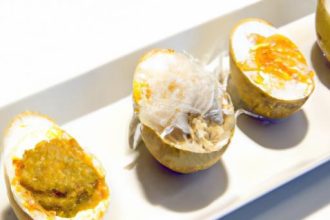
Present balut in small bowls with the cracked end facing up. garnish with fresh chopped chili and a small dish of spiced vinegar alongside freshly sliced cucumber. The tanginess and crunch create balance, enhancing the overall experience. Enjoy balut with a cold local beer or a refreshing iced calamansi juice to round out the meal.
An inviting plate with vibrant sides visually complements the earth-toned egg, making this daring delicacy approachable and celebratory at any occasion.
| Nutrient | Per Serving (1 egg) |
|---|---|
| Calories | 188 kcal |
| Protein | 15 g |
| carbohydrates | 1 g |
| Fat | 14 g |
| Calcium | 60 mg |

Explore more Filipino street foods to complement your balut adventure.
Learn about the origins and health facts from trusted sources like the Healthline article on Balut Nutrition.
Q&A
Balut Uncovered: The Filipino Delicacy Wrapped in Mystery – Q&A
Q1: What exactly is Balut?
A1: Balut is a unique Filipino delicacy consisting of a fertilized duck egg that has been incubated for about 14 to 21 days, then boiled or steamed. The embryo inside is partially developed, offering a combination of textures and flavors that range from tender yolk to a soft, slightly crunchy embryo.
Q2: Why is Balut considered mysterious or exotic to outsiders?
A2: Balut’s reputation as a mysterious delicacy comes from its unusual appearance and the concept of eating a developing embryo. For many unfamiliar with Filipino cuisine, the idea challenges conventional notions of what constitutes ‘food’. Its preparation and consumption are steeped in cultural traditions that might seem exotic but are deeply meaningful to locals.
Q3: How is Balut traditionally eaten?
A3: Traditionally, Balut is eaten warm and often seasoned simply with salt, sometimes accompanied by vinegar or spicy chili. The consumer cracks open the shell at the top, drinks the savory broth inside, and then eats the yolk and embryo. It’s often enjoyed as a street food snack, especially at night.
Q4: Is Balut safe to eat?
A4: Yes,when prepared hygienically and cooked properly,Balut is safe to eat. The cooking process involves boiling, which eliminates harmful bacteria. Like any egg product, freshness and proper handling are key for safety.
Q5: What cultural significance does Balut hold in the Philippines?
A5: Beyond being a food item, Balut is a symbol of Filipino resourcefulness and culinary bravery. It is indeed frequently enough associated with celebrations, communal gatherings, and as a symbol of bravery among locals who pride themselves on the willingness to try something out of the ordinary. It also showcases the Filipino ethos of utilizing every part of nature’s offerings.
Q6: Are there variations of Balut?
A6: Yes,Balut varies by incubation period,which affects flavor and texture. The most common versions are incubated between 14 and 21 days. Shorter incubation yields a softer embryo and richer yolk,while longer incubation results in more developed features and a complex taste experience.Some regional twists include different seasonings or accompaniments.
Q7: How can someone new to Balut overcome apprehension about trying it?
A7: Approach Balut with an open mind and a spirit of adventure! Start by learning about its cultural context and perhaps try it in a trusted setting where it’s prepared fresh. Remember, the unique combination of flavors is unlike anything else, and the experience itself is as much about cultural immersion as taste.
Q8: What nutritional benefits does Balut offer?
A8: Balut is a protein-rich food,packed with essential amino acids,vitamins,and minerals like calcium and iron. It provides a substantial energy boost and is often considered a hearty snack or meal supplement, especially in physically demanding settings.
Q9: Is Balut consumed outside of the Philippines?
A9: While Balut is primarily associated with the Philippines, it is also found in other Southeast Asian countries such as Vietnam and Cambodia, with their own variations and cultural meanings. Its international presence is growing, especially in Filipino communities abroad and adventurous food circles.
Q10: What’s the best way to respectfully enjoy Balut?
A10: Appreciate Balut by learning about its cultural roots and respecting local customs around its preparation and consumption. Take your time savoring the flavors, embrace the textures, and, most importantly, enjoy the storytelling that comes with this one-of-a-kind culinary experience.
In Retrospect
as the steamy aroma of balut lingers in the air, so too does the rich tapestry of history, culture, and curiosity woven into this iconic Filipino delicacy. Beyond its mystique and the initial challenge it presents to the uninitiated palate, balut stands as a testament to the bold spirit and culinary ingenuity of the Philippines. Whether savored at street stalls under the glow of lanterns or shared among friends as a conversational centerpiece, balut invites us not just to taste, but to explore the stories and traditions that flavor every bite. So next time you encounter this enigmatic snack, remember: you’re not just eating a delicacy-you’re partaking in a vibrant cultural journey that continues to unfold with every crack of its shell.