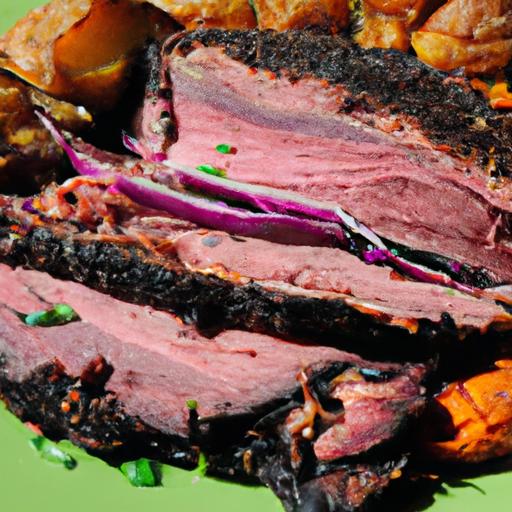



Few culinary quests capture the spirit of Texas barbecue quite like mastering the perfect brisket. this iconic cut, with its intricate marbling and hearty texture, has long been the canvas for pitmasters chasing that elusive smoky perfection. Whether you’re a novice eager to learn the ropes or a seasoned griller aiming to refine your craft, understanding the art and science behind a Texas-style brisket is essential. In this article, we’ll unravel the time-honored techniques, reveal insider tips, and share the ultimate recipe that transforms humble beef brisket into a tender, flavorful masterpiece worthy of any backyard gathering or competition pit. Get ready to embark on a smoky journey where patience meets passion, and taste buds reap the rewards.
Mastering Texas Brisket: Ultimate Recipe for Smoky Perfection
mastering Texas brisket unlocks a world where smoky aromas, tender textures, and rich flavors converge in a culinary masterpiece revered across barbecue aficionados. Originating deep in Texas traditions, this slow-smoked wonder celebrates the humble brisket cut, transforming it into melt-in-your-mouth perfection. As a lifelong devotee of authentic barbecue, I’ve refined this recipe to guide you through every essential step-from selecting the right cut to carving the ideal slice.
Prep and Cook Time
- Planning Time: 30 minutes
- Marinade (Dry Rub) time: Minimum 1 hour (preferably overnight)
- Smoking Time: 10-14 hours (low and slow)
Yield
Serves 8-10 generous portions
Difficulty Level
Advanced (requires patience and attention to detail, but rewarding for dedicated home cooks)
Ingredients
- 1 whole packer brisket (10-12 pounds), untrimmed, USDA Choice or Prime
- 1/4 cup kosher salt
- 1/4 cup coarse black pepper
- 2 tablespoons smoked paprika
- 1 tablespoon garlic powder
- 1 tablespoon onion powder
- 1 teaspoon cayenne pepper (optional, for subtle heat)
- 2 cups hardwood smoking chips (post oak or hickory preferred)
- Water spray bottle, filled with apple cider vinegar or plain water
Instructions
- Choosing the perfect cut: Seek a whole packer brisket that includes both the flat and point muscles, ideally with even marbling.The fat cap should be about 1/4 inch thick, allowing the fat to baste the meat while smoking.
- Prepare the dry rub: in a bowl, whisk together kosher salt, coarse black pepper, smoked paprika, garlic powder, onion powder, and cayenne pepper.This blend harmonizes to amplify the brisket’s natural smoky profile without overpowering it.
- Apply the rub generously: Pat the brisket dry with paper towels.Coat all sides liberally with the dry rub, pressing gently to adhere.Wrap tightly in plastic wrap and refrigerate for at least 1 hour, preferably overnight for maximum flavor penetration.
- Preheat your smoker: Bring your smoker to a steady 225°F (107°C). Add hardwood smoking chips for a slow,fragrant smoke that envelops the brisket.
- Smoke low and slow: Place the brisket fat-side up on the smoker grate. Maintain a consistent temperature of 225°F, allowing the fat to slowly render and infuse moisture.
- Manage the smoke and temperature: Avoid opening the smoker too frequently. Every 1.5-2 hours, spritz the brisket lightly with the apple cider vinegar spray to enhance moisture and flavor absorption without washing away the rub.
- Internal temperature target: Smoke until the brisket’s internal temperature reaches 195°F-205°F (90°C-96°C), testing tenderness with a probe-there should be little resistance, indicating ideal tenderness.
- Resting is crucial: Remove the brisket from the smoker and wrap tightly in butcher paper or foil. Rest it in a cooler or warming drawer for 1-2 hours. This step allows juices to redistribute, resulting in a moist and tender slice.
- Expert carving: Carve brisket slices against the grain into 1/4-inch thick pieces, starting with the flat. Slice the point portion separately, as its grain runs differently and tends to be juicier.
chef’s Tips for Success
- Trim carefully: Remove any excessively thick fat pockets while preserving the fat cap but leave some for flavor and moisture.
- Patience is your ally: Resist the temptation to increase temperature to speed cooking. Low and slow yields unparalleled tenderness and smoke integration.
- Use a reliable meat thermometer: A wireless probe thermometer helps maintain consistent smoker temperatures and monitors brisket doneness precisely.
- Try post oak wood chips: This Texas staple brings a classic, slightly sweet smoke flavor integral to authentic results.
- Make-ahead shortcut: Dry rub and refrigerate the brisket overnight. This not only deepens flavor but simplifies your day of cooking.
Serving Suggestions
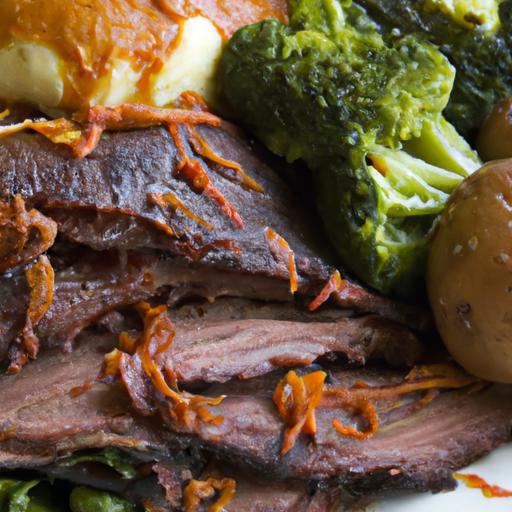
Serve slices of perfectly smoked brisket on a wooden cutting board lined with butcher paper for that authentic Texas barbecue presentation. Accompany with traditional sides like pickled jalapeños, sliced white onions, and a drizzle of tangy Texas-style barbecue sauce (leave it optional to savor the pure smoke flavor). Garnish plates with fresh chopped parsley or chives for a pop of color. Pair with classic accompaniments such as creamy coleslaw, baked beans, or skillet-fried corn to complete a hearty, satisfying meal.

| Nutrient | Per Serving |
|---|---|
| Calories | 420 kcal |
| Protein | 45 g |
| Carbohydrates | 2 g |
| Fat | 28 g (mostly healthy rendered fat) |
For those eager to explore more on traditional Southern barbecue techniques, check out our comprehensive guide to Southern BBQ mastery. To deepen your understanding of smoke flavor chemistry, visit the amazing resource at BBQ Brethren Forum, a high-authority source for pitmasters worldwide.
Q&A
Q&A: Mastering Texas Brisket: Ultimate Recipe for Smoky perfection
Q1: What makes Texas brisket so special compared to other styles of barbecue?
A1: Texas brisket stands out for its focus on simplicity and smoke. The magic lies in using just a handful of quality ingredients-usually a coarse salt and black pepper rub-and letting the smoke from post oak or mesquite wood penetrate the meat over many hours. This slow cooking unlocks deep, smoky flavors and tender textures that define authentic Texas style.
Q2: Which cut of brisket is best for achieving that tender, juicy result?
A2: The whole packer brisket, which includes both the flat and the point muscles, is ideal for authentic results. The flat offers leaner slices perfect for classic presentations, while the point contains more fat and connective tissue-melting over low heat to create rich, buttery bites full of flavor.
Q3: How significant is the rub in Texas brisket, and what should it contain?
A3: The rub is both straightforward and crucial. traditional Texas brisket rubs keep it simple-equal parts kosher salt and coarse black pepper, sometiems with a hint of garlic powder or paprika. This simplicity allows the meat’s natural flavors and the smoke to shine through without overpowering them.
Q4: What’s the secret to getting that iconic bark on the brisket?
A4: The bark is the smoky, crusty magic coating on the brisket’s surface. It forms through the Maillard reaction and the interaction of rub, smoke, and slow heat. Key factors include applying the rub evenly, using dry meat surfaces before smoking, and maintaining a steady cooking temperature around 225°F to 250°F for many hours.
Q5: How long should a Texas brisket be smoked for optimal results?
A5: Patience is your best friend. Smoking times vary based on size but typically range from 10 to 16 hours. The goal is low and slow: cook the brisket until it reaches an internal temperature of about 195°F to 205°F, when collagen fully breaks down, resulting in a tender, pull-apart texture.
Q6: What type of wood is recommended for authentic Texas brisket?
A6: Post oak is the Texas classic-it imparts a mild, slightly sweet smoke that complements brisket perfectly without overpowering it. mesquite is also popular for those seeking a stronger, earthier smoke flavor, but it should be used sparingly to avoid bitterness.
Q7: How do you know when the brisket is perfectly done?
A7: Beyond temperature,the best test is tenderness.Grab the meat with tongs or your fingers-it should feel soft and yield easily with little resistance. A probe thermometer or toothpick should slide into the meat like warm butter without forcing.
Q8: What resting techniques enhance the brisket’s juiciness?
A8: Once removed from the smoker, brisket should rest wrapped loosely in butcher paper or foil inside a cooler or warm oven for at least an hour. This allows juices to redistribute evenly throughout the meat, making every bite succulent and flavorful.
Q9: can Texas brisket be prepared in a home kitchen without a smoker?
A9: Absolutely! While traditional smoking is ideal, you can mimic flavors using a charcoal or gas grill with a smoke box or by adding soaked hardwood chips for smoke. Alternatively, an oven method combined with smoked salts and liquid smoke can deliver surprisingly good results when low and slow cooking.
Q10: What’s a common mistake to avoid when smoking Texas brisket?
A10: Rushing the process or cooking at too high a temperature are top culprits-this can result in a tough exterior and dry meat inside. Resist the temptation to wrap too early; a good bark takes time to develop. Also, avoid trimming all the fat off-rendered fat keeps the brisket moist during those long hours on the fire.
With these insights and techniques, you’ll be well on your way to mastering Texas brisket and serving up smoky perfection every time!
In Summary
As the smoke fades and the last bite of your perfectly tender texas brisket melts away, you’ll realize that mastering this iconic dish is more than just a recipe-it’s a flavorful journey through tradition, patience, and passion. With the techniques and tips shared here, you’re now equipped to create smoky perfection that honors the spirit of Texas barbecue every time you fire up the smoker. So gather your wood, trust the process, and let each brisket tell its own story of smoky mastery.Happy smoking, and may your brisket always be tender, juicy, and unforgettable.