

In the bustling world of health foods, quinoa has quietly transcended its humble origins to become a superstar on plates around the globe. Frequently enough hailed as a “supergrain,” this tiny seed packs an extraordinary punch of nutrition, flavor, and versatility that has captured the hearts of chefs, wellness enthusiasts, and everyday eaters alike. But what exactly makes quinoa so special? From its ancient roots in the Andes to its modern-day status as a dietary powerhouse, quinoa’s story is as rich and captivating as its nutty taste. Join us as we uncover the secrets behind quinoa’s rise to fame and explore how this supergrain is fueling healthier, more vibrant meals worldwide.
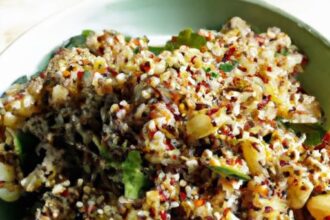
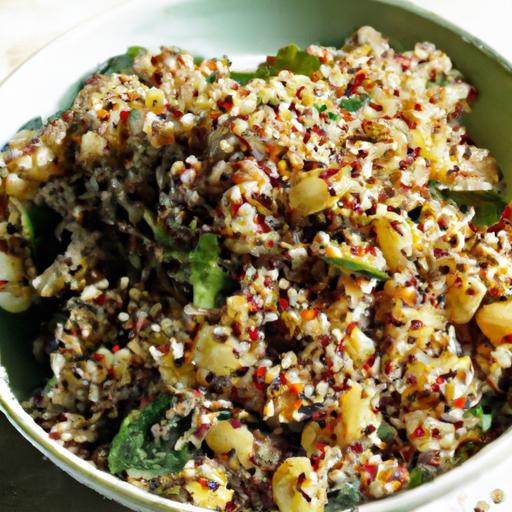
Quinoa Uncovered reveals a world of flavors and nutrients packed into this tiny supergrain that has transformed how I approach healthy cooking. Originating from the Andean region of South America, quinoa has long been cherished not only for its resilient cultivation but also for its impressive protein profile and naturally gluten-free nature. This versatile grain’s nutty aroma and fluffy texture can elevate everyday meals, making it a pantry staple that turns simple dishes into nutritional powerhouses.
Prep and Cook Time
- Prep Time: 10 minutes
- Cook Time: 15 minutes
- Total Time: 25 minutes
Yield
This recipe yields 4 hearty servings, perfect as a nutritious main or a vibrant side.
Difficulty Level
Easy – beginner-kind with straightforward steps to set you up for success.
Ingredients
- 1 cup organic tri-color quinoa, rinsed thoroughly under cold water
- 2 cups low-sodium vegetable broth for enhanced flavor (or water)
- 1 tablespoon extra virgin olive oil
- 1 small red onion, finely diced
- 1 cup cherry tomatoes, halved
- 1 medium bell pepper, diced (choose your favorite color)
- 1 cup baby spinach, roughly chopped
- 1/2 cup crumbled feta cheese (optional for a creamy contrast)
- 2 tablespoons fresh lemon juice
- 1 teaspoon ground cumin
- Salt and freshly ground black pepper, to taste
- Fresh parsley or cilantro for garnish
Instructions
- Rinse the quinoa under cold water using a fine mesh sieve. This step removes the natural bitter coating called saponin and ensures a clean, light taste.
- In a medium saucepan, combine the rinsed quinoa and vegetable broth.bring to a gentle boil over medium-high heat.
- Once boiling, reduce the heat to low, cover tightly with a lid, and simmer for 15 minutes or until the liquid is fully absorbed and quinoa is tender.
- Remove from heat, fluff quinoa with a fork, and set aside to cool slightly.
- While quinoa cooks, heat olive oil in a skillet over medium heat. Sauté the diced red onion until translucent and fragrant, about 4 minutes.
- Add diced bell pepper, sautéing until just tender, about 3-4 minutes more. Stir in cumin, stirring to toast the spice gently.
- transfer cooked quinoa into a large bowl.Add the sautéed vegetables, cherry tomatoes, baby spinach, and lemon juice. Toss gently to combine.
- Season with salt and pepper to taste. fold in crumbled feta, if using, for a creamy, salty burst that marries beautifully with quinoa’s subtle nuttiness.
- Garnish generously with chopped parsley or cilantro before serving.
Tips for Success
- Rinse quinoa really well-this is the secret for avoiding any bitterness and achieving a fluffier texture.
- Use vegetable broth instead of water for added depth of flavor without overpowering the dish.
- Feel free to swap baby spinach for kale or arugula for a peppery twist.
- Make it ahead: Quinoa salad tastes even better after resting in the fridge for a couple of hours-flavors meld and the grain firms up perfectly.
- For a vegan option, omit the feta and toss in toasted nuts or seeds for creaminess and crunch.
Serving Suggestions
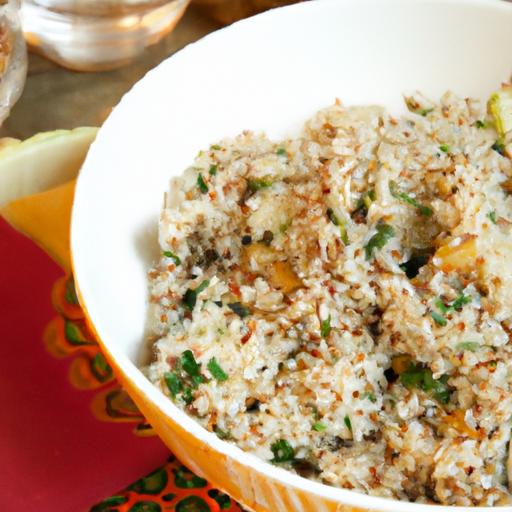
This vibrant quinoa bowl shines when plated colorful and fresh. Serve it warm as a wholesome lunch or chilled as a side salad alongside grilled vegetables or tofu. Garnish with extra herbs, a drizzle of olive oil, or a spoonful of tzatziki for a Mediterranean flair. For an extra nutrient boost, sprinkle with pumpkin seeds or a scattering of pomegranate arils-thay add texture and a pop of jewel-like color that delights the eye and palate.

| Nutrient | Per serving |
|---|---|
| Calories | 280 kcal |
| Protein | 9 g |
| Carbohydrates | 40 g |
| Fat | 7 g |
Discover more ways to incorporate this powerhouse ingredient by exploring our Healthy Quinoa Recipes collection. For deeper insights into quinoa’s nutritional benefits, visit the Harvard T.H. Chan School of Public Health.
Q&A
Q&A: Quinoa Uncovered: The Supergrain powering Healthy Plates
Q1: What exactly is quinoa, and why is it called a “supergrain”?
A1: Quinoa is a tiny seed native to the Andean region of South america, often mistaken for a grain due to its grain-like cooking properties. It earned the “supergrain” title as it’s a nutritional powerhouse-rich in complete proteins, fiber, vitamins, and minerals-all packed into a gluten-free package. It fuels bodies with sustained energy and essential nutrients, making it a champion of healthy eating.
Q2: How does quinoa’s nutritional profile compare to other grains?
A2: Unlike many traditional grains, quinoa contains all nine essential amino acids, making it a rare plant-based complete protein. It also boasts a solid dose of magnesium, iron, and antioxidants, while maintaining a low glycemic index. This unique combo not only supports muscle repair and brain function but also promotes steady blood sugar levels.
Q3: What are the best ways to prepare quinoa to unlock its full potential?
A3: Quinoa’s subtle nutty flavor and fluffy texture make it incredibly versatile. Start by rinsing it under cold water to remove its natural coating bitterness, then cook it in a 2:1 water-to-quinoa ratio until the little seeds become translucent with tiny spirals (germ) unfurling.Mix it into vibrant salads, use it as a base for stuffed vegetables, or blend it into hearty soups and stews for a protein boost.Q4: Can quinoa fit into special diets like vegan, gluten-free, or keto?
A4: Absolutely! Quinoa is naturally gluten-free, making it a safe and nutritious choice for those with gluten sensitivities or celiac disease. It’s a beloved staple in vegan and vegetarian kitchens due to its complete protein status. While not strictly ketogenic because of its carbohydrate content, quinoa can be enjoyed in moderation within lower-carb plans, especially if balanced with healthy fats and proteins.
Q5: how is quinoa impacting global food culture and sustainability?
A5: Beyond personal health, quinoa is revolutionizing how we think about lasting eating. Its ability to thrive in harsh climates with minimal water makes it an eco-friendly crop, supporting food security in vulnerable regions. As more chefs and home cooks embrace quinoa’s versatility, it’s becoming a symbol of nutritious, responsible dining worldwide.
Q6: Are there different types of quinoa, and do they taste different?
A6: yes! The three main types are white, red, and black quinoa. White is the most common, with a light, fluffy texture and mild flavor. Red quinoa holds up well in salads because of its slightly earthier taste and firmer texture.Black quinoa offers a sweet, almost crunchy bite. Mixing types can add both color and depth to your dishes.
Q7: What creative recipes can quinoa inspire in everyday cooking?
A7: The sky’s the limit! Think vibrant quinoa veggie burgers, zesty quinoa tabbouleh with fresh herbs, or breakfast quinoa bowls topped with fruits and nuts. Quinoa pancakes, casseroles, and even desserts like chocolate quinoa pudding are playful, nutritious spins that keep your menu exciting and nourishing.Q8: Any tips for storing quinoa to keep it fresh and flavorful?
A8: Store dry quinoa in an airtight container in a cool, dark pantry to keep it lasting for months. Cooked quinoa can be refrigerated for up to a week or frozen in portions for quick meal prep. Proper storage safeguards its delicate oils and nutrients, ensuring every bite is as vibrant as the first.
From kitchen staple to nutrition superstar, quinoa truly deserves its spot on our plates. With its versatility, robust nutrients, and sustainability perks, this supergrain is powering a healthier, tastier future-one bite at a time.
Closing Remarks
As we’ve unraveled the story behind quinoa, it’s clear that this humble seed is much more than just a trendy ingredient-it’s a nutritional powerhouse with deep cultural roots and versatile culinary potential. Whether sprinkled atop a salad, blended into a breakfast bowl, or transformed into hearty main dishes, quinoa continues to redefine what healthy eating looks like in our modern kitchens. By embracing quinoa, we’re not only nourishing our bodies but also honoring a supergrain that has stood the test of time. So next time you reach for a staple to power your plate, remember: quinoa isn’t just food-it’s a story of resilience, health, and delicious possibility waiting to be uncovered.