



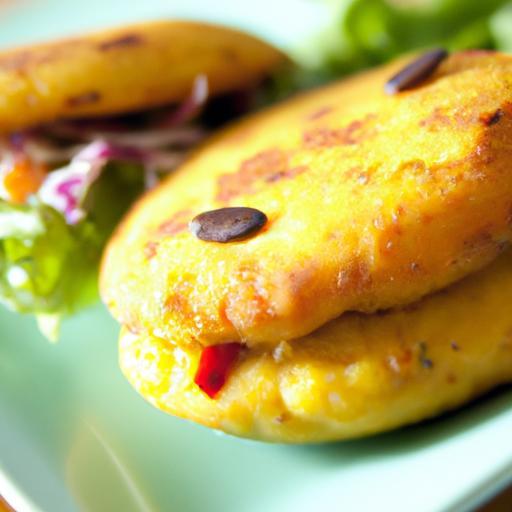
Golden, warm, and irresistibly fragrant, the arepas of Colombia are more than just a beloved staple-they are a savory thread woven through centuries of history, tradition, and community. From the bustling streets of bogotá to the sun-kissed Caribbean coast, these humble corn cakes carry stories of indigenous heritage and regional pride, inviting both locals and visitors to savor a bite of Colombian identity. In this article, we’ll explore the rich cultural tapestry behind Colombian arepas, uncovering their diverse varieties, time-honored recipes, and the special place they hold at family tables and festive celebrations alike. Prepare to embark on a flavorful journey that celebrates the heart and soul of Colombia,one arepa at a time.
arepas of Colombia: A Delicious Taste of Tradition and Culture
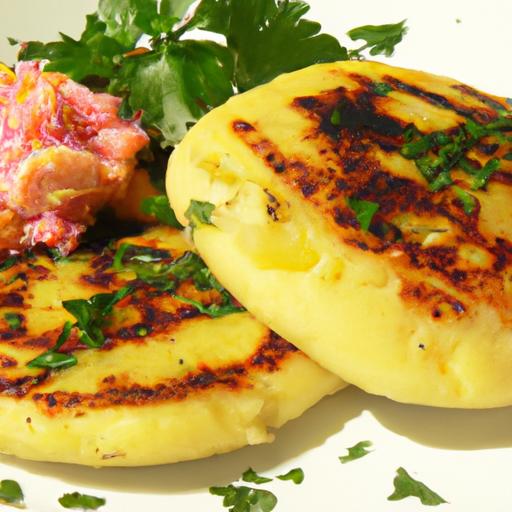
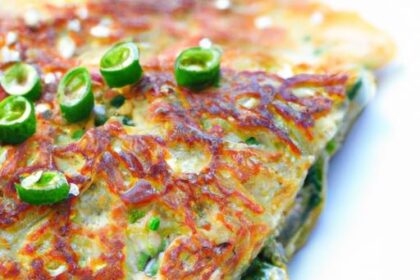
Arepas of Colombia are much more than just a simple corn cake-they are a vibrant symbol of Colombian heritage and a culinary canvas showcasing regional diversity. From the bustling streets of bogotá to the coastal towns of Barranquilla,each bite tells a story steeped in history,local ingredients,and evolving techniques. My first encounter with the classic cheese-stuffed arepa in Medellín remains unforgettable-the warm, crispy exterior yielding to melted cheese that perfectly complemented the rich aroma of freshly ground corn. This dish invites you to embark on a journey through Colombia’s rich food traditions, exploring savory textures and flavors that have delighted generations.
Prep and Cook Time
- Preparation: 15 minutes
- Cook: 20 minutes
- Total Time: 35 minutes
Yield
- 8 medium-sized arepas
Difficulty Level
- Easy
Ingredients
- 2 cups precooked white cornmeal (masarepa)
- 2 ½ cups warm water
- 1 teaspoon salt
- 3 tablespoons unsalted butter, softened
- 1 cup crumbled queso fresco or mozzarella cheese
- Vegetable oil, for cooking
- Optional garnishes: chopped cilantro, sliced avocado, or a drizzle of hogao (Colombian tomato and onion sauce)
Instructions
- Mix the dough: In a large bowl, combine the warm water and salt. Gradually add the precooked cornmeal while stirring to avoid lumps. Let it rest for 5 minutes until the dough firms up.
- Add butter and cheese: Knead the softened butter and crumbled cheese into the dough until well incorporated.The cheese will add a lovely creaminess and mild tang to your arepas.
- Shape the arepas: Divide the dough into 8 equal balls. Flatten each ball gently with your palms to form discs about 5 inches in diameter and ¾ inch thick.
- Heat the skillet: Warm 2 tablespoons of vegetable oil in a non-stick pan over medium heat.
- Cook the arepas: Place a few arepas in the hot skillet. Cook for about 5 minutes on each side, or until golden brown and slightly crispy. To ensure even cooking, press lightly with a spatula.
- Finish in the oven (optional): Transfer the pan to a preheated oven at 350°F (175°C) for an additional 5 minutes to cook through and melt the cheese inside perfectly.
- Serve warm: Remove from the oven/pan and let rest for 2 minutes before serving to avoid burning your fingers!
Tips for Success
- Cheese choice: Use a fresh, mild cheese like queso fresco, mozzarella, or farmer’s cheese for authentic flavor and gooey texture.
- Dough consistency: The dough should be firm but pliable-not sticky. If too wet, add a little more cornmeal; if dry, sprinkle a bit of warm water.
- Cooking tip: Use a heavy-bottomed skillet or cast iron pan to ensure even browning and to develop a perfect crust.
- Make-ahead: Prepare the dough up to 24 hours in advance. Store covered in the refrigerator and allow it to come to room temperature before cooking.
- Variations: Fill arepas with shredded chicken, sautéed vegetables, or black beans for a heartier meal.
Serving Suggestions
arepas of Colombia shine brightly when complemented by customary sides and beverages. Pair your warm arepas with hogao sauce-a vibrant mix of tomatoes, scallions, and cilantro that adds a fresh, tangy punch. serve alongside aji-a spicy Colombian salsa with cilantro and lime-to awaken your palate. For a truly authentic meal, offer sliced avocado, refried black beans, or a simple tomato salad.
As for drinks, traditional Colombian beverages like aguapanela (a sweetened drink made from panela and lime) or fresh tropical fruit juices such as guava or passionfruit create an enticing balance of sweet and savory flavors.
| Nutritional Information (per arepa) | Amount |
|---|---|
| Calories | 210 kcal |
| Protein | 6 g |
| Carbohydrates | 34 g |
| Fat | 5 g |

Exploring Iconic Arepa Varieties Unique Ingredients and Preparation Techniques Across Colombia
The beauty of arepas lies in their regional adaptations. As an example, the Arepa de Choclo from the Andean region blends sweet corn with cheese for a tender, slightly sweet flavor, while the Arepa Santandereana boasts a hearty filling of rib meat and fresh cheeses. Coastal areas often incorporate coconut milk or fresh seafood into the dough or fillings, reflecting Colombia’s diverse geography. Each variation invites cooks to experiment with textures-from crisp and thin to thick and doughy-and ingredients like cassava flour or butter-rich cheeses.
Pairing Perfection How to Complement Arepas with Traditional Colombian Sides and Beverages
To elevate your arepa experience,balance its subtle corn flavor with complementary dishes. The light crunch of arepas pairs beautifully with creamy hogao sauce, tangy guacamole, and spicy aji. Colombian black bean stew frijoles or shredded beef stew add heartiness to this meal. For a refreshing contrast, coconut rice or ripe plantain slices add natural sweetness. Round out the plate with a chilled glass of aguapanela or a tropical fruit drink to capture the authentic vibe of Colombian dining.
Mastering the Art of Arepa Making Tips and Tricks for Authentic Taste at Home
Mastering traditional arepas at home is an inviting challenge. Begin with masarepa, a precooked corn flour essential for authenticity. control dough moisture carefully-too dry and your arepas crack; too wet and they lose shape.Letting the dough rest hydrates the cornmeal perfectly. Use moderate heat to develop a golden crust without burning. If possible, finish in the oven for a soft interior and melty cheese. Practicing will reward you with consistent, beautifully textured arepas that transport you directly into the heart of Colombia’s culinary soul.
Q&A
Q&A: Arepas of Colombia – A delicious Taste of Tradition and Culture
Q1: What exactly is an arepa?
A1: An arepa is a traditional colombian dish made from corn dough, shaped into a flat, round patty and cooked to golden perfection. It’s a versatile staple that ranges from simple, toasted breads to stuffed or topped culinary delights, embodying the country’s rich cultural heritage with every bite.
Q2: How long have arepas been part of Colombian cuisine?
A2: Arepas have been enjoyed for centuries,with roots tracing back to the indigenous peoples of colombia long before spanish colonization. They are more than just food; they represent a continuing link to Colombia’s ancestral traditions and daily life.
Q3: What makes Colombian arepas unique compared to those in other countries?
A3: Colombian arepas are diverse and regionally distinct. Unlike some neighboring countries’ arepas that might potentially be fried or served sweet, Colombian versions are frequently enough grilled or baked and can be stuffed with local cheeses, eggs, or vegetables. Each region brings its own twist, reflecting local flavors and customs.
Q4: What are the main ingredients used in traditional Colombian arepas?
A4: The heartbeat of any arepa is corn-typically pre-cooked cornmeal mixed with water and salt. From there, simplicity reigns, but many Colombians enhance their arepas with fresh cheeses, butter, or fillings like shredded chicken, eggs, or plantains, celebrating the vibrant agricultural bounty of the country.
Q5: Can arepas be enjoyed any time of day?
A5: absolutely! Arepas are a wonderfully flexible food, enjoyed at breakfast, lunch, or dinner. A simple cheese arepa might start the day, while a heartier, stuffed arepa can be the centerpiece of an afternoon meal or snack, proving their role as comfort food across all hours.
Q6: how are arepas typically cooked in Colombia?
A6: Traditionally, arepas are grilled on a flat griddle known as a budare, lending them a signature char and texture.They can also be baked or lightly fried,depending on regional preferences and desired textures-from crispy edges to soft,doughy centers.
Q7: Are arepas suitable for vegetarians or those with dietary restrictions?
A7: Yes! Arepas naturally fit many dietary needs.Since their base is corn and water, they are gluten-free and can easily be made vegetarian or vegan by customizing fillings and toppings-think creamy avocado, sautéed vegetables, or hearty beans.
Q8: How do arepas reflect Colombian culture beyond just being food?
A8: Arepas are more than a dish; they’re a symbol of community and tradition. Making arepas is often a family affair, passed down through generations, fostering connection. They also represent Colombia’s agricultural roots and regional diversity, telling stories of land, history, and people through each recipe.
Q9: What’s a popular regional variation of the arepa in Colombia?
A9: The arepa paisa from the Antioquia region is beloved for its thicker, ample size, frequently enough filled or topped with crumbled fresh cheese. In contrast, the arepa boyacense from Boyacá is sweeter, infused with fresh cheese and sometimes a hint of anise, showcasing the sweet-savory spectrum of Colombian arepas.
Q10: How can someone new to Colombian cuisine best enjoy arepas?
A10: Start simple-try a fresh arepa with a pat of butter or mild cheese, then explore! Don’t hesitate to sample regional variations or pair your arepa with traditional Colombian sides like hogao (a tomato and onion sauce) or beans. Each bite is an invitation to taste Colombia’s heart and soul.
Whether toasted crispy or stuffed full of flavor, Colombian arepas invite you to savor a history as rich and varied as the country itself-one delicious, comforting bite at a time.
The Way Forward
from the bustling street corners of Bogotá to the cozy kitchens of small Andean towns, the arepa stands as a golden emblem of Colombia’s rich heritage. More than just a simple corn cake, it is a culinary canvas that tells stories of indigenous roots, regional pride, and the warmth of family gatherings. Whether filled with cheese,smeared with butter,or paired with savory meats,each bite invites you to experience a piece of Colombian tradition and the vibrant culture behind it. So next time you savor an arepa, remember-you’re tasting a delicious chapter of Colombia’s history, lovingly crafted and passed down through generations. Truly, arepas are not just food; they are a flavorful journey into the heart of Colombia.