


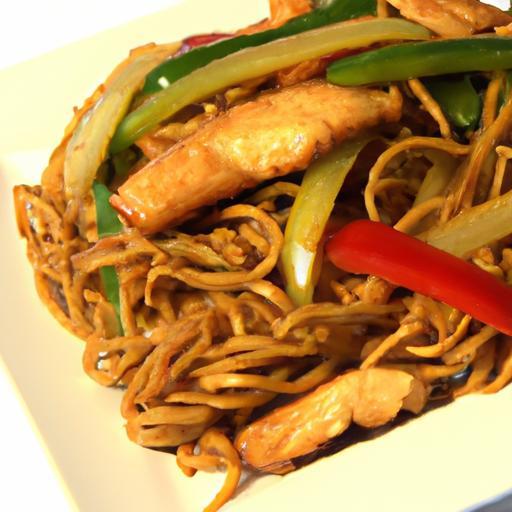
There’s something irresistibly comforting about a steaming plate of chicken lo mein-the tender noodles tangled wiht succulent pieces of chicken, tossed in a savory sauce that dances on your taste buds. This beloved Chinese-American classic has won hearts worldwide, offering a perfect balance of textures and flavors in every bite. Whether you’re a kitchen novice or a seasoned home cook, mastering chicken lo mein opens the door to endless delicious possibilities. In this article, we’ll dive into the secrets of crafting a flavor-packed, restaurant-quality lo mein right in your own kitchen, unlocking tips and techniques that elevate this humble dish to a culinary triumph. Get ready to twirl your chopsticks and embark on a mouthwatering journey through the art of chicken lo mein!
Choosing the Perfect Ingredients for Authentic Chicken Lo Mein
Mastering Chicken Lo Mein begins with selecting the freshest and most authentic ingredients. The dish’s soul lies in its harmonious balance between tender chicken, crisp vegetables, and springy noodles, all tied together with a savory sauce that sings with umami.Opt for high-quality fresh chicken breast or thigh meat, sliced thinly against the grain to ensure tenderness and quick cooking. Fresh egg noodles or Chinese-style lo mein noodles yield the ideal chewy texture-avoid spaghetti or pasta substitutes, as they won’t quite capture that prized bite.
Vibrant vegetables add both color and crunch: reach for crisp Napa cabbage, crunchy julienned carrots, and tender snow peas or baby bok choy. Fresh aromatics like minced garlic, ginger, and scallions contribute essential warmth and depth. For the ultimate flavor brilliance,use naturally brewed soy sauce rather than lower-quality or chemically altered versions. A touch of toasted sesame oil and a pinch of white pepper completes the authentic flavor profile you’re striving for when mastering chicken lo mein.
Techniques to Achieve the Ultimate Stir-Fry Texture and Flavor
For notable texture and flavor in your chicken lo mein, preparation and technique are key. Begin by fully drying your chicken and vegetables-moisture is the enemy of a good stir-fry as it causes steaming rather than searing. Use a heavy-bottomed wok or skillet preheated until it’s smoking slightly to ensure quick, intense heat that locks in flavor and texture.
Stir-fry your chicken quickly over high heat in small batches to avoid overcrowding,which can lower the temperature and yield soggy meat. Set the cooked chicken aside while stir-frying the vegetables, keeping their vibrancy and crunch intact. When combining noodles, vegetables, and chicken, toss everything briskly in the wok, allowing the glossy sauce to coat every strand and mouthful evenly.
Utilize a cornstarch slurry to gently thicken the sauce right at the end, creating that luscious cling that defines a truly inspired plate of chicken lo mein. Mastering timing is essential-the noodles should remain slightly firm, the chicken juicy, and the vegetables tender-crisp.
Crafting the Ideal Sauce Blend for Rich and Balanced Taste
The sauce for chicken lo mein is a symphony of salty, savory, and subtly sweet notes that create its distinctive allure. Start with naturally brewed soy sauce as your base sauce component, adding oyster sauce or vegetarian mushroom sauce for depth without overpowering the chicken.A drizzle of sesame oil imparts a toasty fragrance that lingers delightfully.
A touch of sugar or honey balances the saltiness, while some freshly grated ginger and garlic infuse warmth and complexity. To amplify umami, a splash of fish sauce can be added sparingly,but is optional for sensitive palates. add just enough chicken broth or water to loosen the sauce to a silky consistency ideal for coating noodles without making the dish soupy.
Tips and Tricks for Serving Chicken Lo Mein Like a Pro
Presentation elevates your chicken lo mein from everyday to restaurant-quality. Serve it piping hot, garnished with freshly sliced scallions, toasted sesame seeds, and a few sprigs of cilantro for color and brightness. A wedge of lime on the side adds a splash of acidity if desired.Use a shallow bowl or wide plate to showcase the glossy noodles and vibrant vegetables clearly. Pair your dish with simple sides like steamed bok choy or an Asian cucumber salad to balance the richness.
For meal prepping, cook noodles just shy of al dente and combine with sauce and chicken only when reheating to maintain texture. Avoid over-stirring during reheating to keep the vegetables crisp. Lastly, a light drizzle of chili oil or freshly ground white pepper before serving can add that final flavor punch.
Prep and Cook Time
- Preparation: 20 minutes
- Cooking: 15 minutes
- Total Time: 35 minutes
Yield
Serves 4 generous portions
Difficulty Level
Medium – ideal for home cooks ready to sharpen stir-fry skills
Ingredients
- 8 oz fresh lo mein noodles, cooked and drained
- 12 oz chicken breast, thinly sliced against the grain
- 1 cup Napa cabbage, shredded
- 1 medium carrot, julienned
- ½ cup snow peas, trimmed
- 3 scallions, thinly sliced (white and green parts separated)
- 2 cloves garlic, minced
- 1 tbsp fresh ginger, minced
- 3 tbsp naturally brewed soy sauce
- 2 tbsp oyster sauce or vegetarian mushroom sauce
- 1 tsp toasted sesame oil
- 1 tbsp vegetable oil (for stir-frying)
- ½ cup low-sodium chicken broth
- 1 tsp cornstarch, mixed with 2 tsp water
- 1 tsp sugar
- Optional: white pepper, chili oil, toasted sesame seeds for garnish
Instructions
- Prepare noodles: Cook lo mein noodles according to package instructions. Drain and toss lightly with a teaspoon of oil to prevent sticking. Set aside.
- Marinate chicken: In a bowl, mix chicken slices with 1 tablespoon soy sauce and a pinch of white pepper. Let rest for 10 minutes.
- Heat wok or skillet: Add vegetable oil and preheat over high heat until shimmering but not smoking.
- Cook chicken: Add chicken in a single layer; stir-fry until golden and cooked through, about 3-4 minutes. Remove and set aside.
- Sauté aromatics: Add garlic, ginger, and white parts of scallions. Stir constantly for 30 seconds until fragrant.
- Cook vegetables: Add carrots, Napa cabbage, and snow peas. Stir-fry 2-3 minutes until crisp-tender.
- Combine ingredients: Return chicken to the wok, add noodles, remaining soy sauce, oyster sauce, chicken broth, and sugar.
- Toss and thicken: Mix cornstarch slurry and add to wok. Toss continuously until sauce thickens and glazes the noodles, about 1-2 minutes.
- Finish: Drizzle sesame oil, add green parts of scallions, and gently toss.
- Serve immediately: Garnish with toasted sesame seeds or chili oil if desired.
Chef’s Notes & Tips for Success
- Vegetable Variations: Bell peppers, baby corn, or mushrooms are excellent swaps or additions, maintaining vegetable crunch.
- Chicken Alternatives: Use boneless skinless chicken thighs for juicier results or substitute with firm tofu for a vegetarian twist.
- avoid sogginess: high heat and minimal stirring ensure everything stays crisp yet tender.
- Make-ahead tip: Prepare cooked noodles and sliced veggies ahead but combine only when ready to serve.
- Storage: Leftovers keep well for 2 days refrigerated; reheat gently to avoid losing texture.
Serving Suggestions
serve your chicken lo mein with a fresh Asian-inspired side salad or simply steamed greens to balance the richness. Adding a drizzle of chili oil or a squeeze of fresh lime over the top can customize heat and acidity per palate. Present in shallow bowls or on wide plates with a sprinkling of sesame seeds and chopped scallions for visual and textural appeal. A pair of wooden chopsticks completes the experience, inviting you to savor every flavorful bite like a seasoned chef.
| Nutrient | Per Serving |
|---|---|
| Calories | 380 kcal |
| Protein | 32 g |
| Carbohydrates | 42 g |
| Fat | 8 g |

Explore more tips on stir-fry techniques to elevate your wok skills further.
Q&A
Q&A: Mastering Chicken Lo Mein – A Flavor-Packed Classic Recipe
Q1: What makes chicken lo mein a standout dish in Asian cuisine?
A1: Chicken lo mein is beloved for its harmonious blend of tender chicken, vibrant vegetables, and perfectly chewy noodles, all tied together with a savory, slightly sweet sauce. Its balance of textures and flavors makes it both comforting and exciting,embodying the essence of classic Chinese-American cooking.
Q2: Can you explain the difference between lo mein and chow mein?
A2: Absolutely! Lo mein noodles are boiled until soft and then tossed with sauce and ingredients, creating a saucier, silkier dish. Chow mein, conversely, involves frying the noodles until they develop a crisp texture. Essentially,lo mein is saucier and softer,while chow mein offers a delightful crunch.
Q3: what type of noodles work best for chicken lo mein?
A3: For authentic texture, egg noodles or fresh lo mein noodles are ideal-they’re slightly thicker and maintain a pleasant chew. Though, if these aren’t available, spaghetti or linguine can be a creative substitute to mimic the dish’s signature bite.
Q4: How can I ensure that my chicken stays juicy and flavorful during cooking?
A4: The secret is quick cooking over high heat. Cut the chicken into thin, even strips for rapid cooking, and marinate briefly with a touch of soy sauce, ginger, and a pinch of cornstarch. This not only seasons the meat but helps lock in moisture,keeping each bite tender and flavorful.
Q5: Which vegetables complement chicken lo mein best?
A5: Classic choices include crisp bell peppers, snap peas, julienned carrots, bok choy, and mushrooms. These vegetables add layers of crunch, color, and freshness, making the dish visually inviting and nutritionally balanced.
Q6: What’s the role of the sauce in making perfect lo mein?
A6: The sauce is the heart of lo mein-it coats every strand of noodle and bite of chicken with rich umami and subtle sweetness. A typical sauce combines soy sauce, oyster sauce (or mushroom sauce for a vegetarian twist), sesame oil, garlic, and a hint of sugar. Balancing these elements creates that unmistakable flavor depth.
Q7: Can I customize the protein in this recipe without losing the dish’s essence?
A7: Definitely! While chicken is a classic choice, you can substitute tofu, shrimp, or even beef to suit your preference. The key is keeping the protein tender and well-marinated so it melds beautifully with the sauce and noodles.
Q8: How do I prevent my lo mein noodles from becoming soggy?
A8: Timing and technique are everything. Cook the noodles al dente, rinse with cold water to stop cooking, and toss them lightly with a bit of oil to keep them from sticking. When combining noodles with sauce and other ingredients, stir-fry over high heat just long enough to heat through, ensuring they stay springy rather than mushy.
Q9: What are some helpful tips for stirring and cooking lo mein like a pro?
A9: Use a wide pan or wok for easy stirring. Keep all your ingredients prepped and ready before you start cooking as the process moves fast. Cook proteins first, then vegetables, and finally the noodles with sauce-this layered approach builds complexity and keeps ingredients at their best texture and flavor.
Q10: Can mastering chicken lo mein be a gateway to exploring more Asian home cooking?
A10: Absolutely! Once you master the timing, sauce balance, and noodle techniques in chicken lo mein, you’ll find it easier to experiment with other stir-fries and noodle dishes from various Asian cuisines. It’s a delicious stepping stone into a world of vibrant, quick-cooking meals full of bold flavors and fresh ingredients.
Key Takeaways
With the strings of tender noodles twirling effortlessly around your fork and the vibrant medley of chicken, vegetables, and savory sauce dancing on your palate, mastering Chicken Lo Mein isn’t just about following a recipe-it’s about embracing a timeless culinary art. As you perfect this flavor-packed classic, you unlock not only a dish brimming with comforting textures and bold tastes but also a versatile foundation to experiment and make it truly your own. So next time you crave a quick yet satisfying meal, remember: with a few simple ingredients and a pinch of passion, Chicken Lo Mein can transform your kitchen into a flavorful haven, one delicious bite at a time.