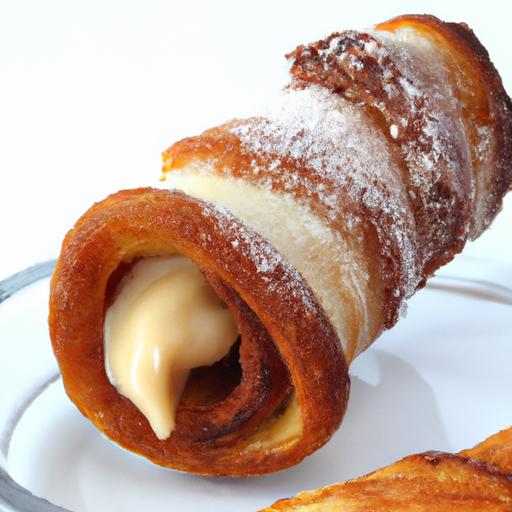

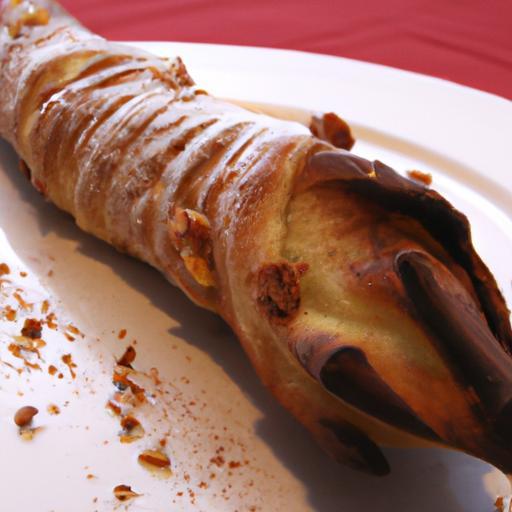
Winding their way from bustling street corners to festive gatherings, Hungarian chimney cakes-known locally as kürtőskalács-are more then just a sweet treat; they are edible spirals of tradition and delight. These golden, cinnamon-kissed pastries captivate with their crispy exterior and tender, airy interior, inviting curious food lovers to explore a centuries-old culinary craft. In this article,we’ll unwrap the enchanting story behind these sweet spirals,diving into their rich cultural roots,the alchemy of their unique planning,and the irresistible charm that has made chimney cakes a beloved staple not only in Hungary but around the world. Join us as we explore the magic that turns simple dough into a whirlwind of flavor and festivity.
Sweet Spirals: Exploring the Magic of Hungarian Chimney Cakes
Sweet spirals have long enchanted dessert lovers with their airy texture and caramelized crust, embodying a cherished Hungarian tradition. This iconic chimney cake, or Kürtőskalács, originates from Transylvania and reflects centuries of Eastern European heritage. Each sweet spiral is more than a treat-itS a story shaped by fire, dough, and love, enjoyed at fairs, festivals, and cozy street corners. Crafting these sweet spirals invites you to master the art of dough wrapped in magic, elevating simple ingredients into a golden, aromatic delight.
Prep and Cook Time
- Preparation: 30 minutes
- Proofing: 1 hour 15 minutes
- Cooking: 15 minutes
- Total Time: 1 hour 60 minutes
Yield
Serves 6 chimney cakes (about 6-8 inches each)
Difficulty Level
Medium – perfect for intermediate bakers ready to embrace hands-on dough crafting and open fire or oven baking.
Ingredients
- 3 ½ cups all-purpose flour, sifted
- 2 tsp active dry yeast
- 1 cup warm whole milk (about 110°F / 43°C)
- ⅓ cup granulated sugar
- 2 large eggs, room temperature
- 6 tbsp unsalted butter, melted
- ½ tsp salt
- 1 tbsp vanilla extract
- ¼ cup vegetable oil, for brushing
- For coating: cinnamon sugar (½ cup sugar mixed with 1 tbsp ground cinnamon) or crushed nuts, coconut flakes, or cocoa powder
Instructions
- Activate the yeast: in a small bowl, combine warm milk with yeast and 1 tablespoon sugar.Stir gently and let sit for 5-10 minutes until foamy and bubbly.
- make the dough: In a large mixing bowl, whisk the flour, remaining sugar, and salt. In a separate bowl, combine eggs, melted butter, and vanilla extract.
- Pour the wet ingredients and activated yeast into the dry mixture. Stir with a wooden spoon until a shaggy dough forms.
- Knead the dough: Turn dough out onto a lightly floured surface. Knead for about 8-10 minutes until smooth and elastic. Alternatively, use a stand mixer fitted with a dough hook.
- First proof: Place dough in a lightly oiled bowl, cover with a clean kitchen towel or plastic wrap, and let it rise in a warm spot until doubled in size (about 1 hour).
- Roll and cut: Punch down the dough gently and roll into a rectangle approximately ¼ inch thick.Using a sharp knife or pizza cutter, cut the dough into long strips about 1 inch wide.
- Shape around molds: Wrap each strip spirally around a lightly oiled wooden or metal chimney cake mold or a thick rolling pin.Make sure strips overlap slightly for a continuous spiral without gaps.
- Second proof: Place the wrapped molds on a baking tray and cover loosely. Allow dough to rise again for 15-20 minutes.
- Brush and coat: Brush the dough generously with vegetable oil, then roll in cinnamon sugar or your desired coating for a beautiful crust.
- Bake or grill: Place chimney cakes in a preheated oven at 375°F (190°C) for 12-15 minutes, turning molds every 5 minutes for even golden caramelization. Alternatively, cook over a barbecue or open flame, rotating continuously to prevent burning.
- Remove and cool: Once deep golden and caramelized, carefully slide the cake off the mold. Place on a wire rack to cool slightly-this allows the crust to crisp while the interior stays soft.
Tips for Success
- Warm ingredients: Ensure eggs and milk are room temperature; too cold impedes yeast activation.
- Dough texture: It should be soft but not sticky. Add a bit more flour if overly tacky, or a teaspoon of milk if too dry.
- Perfect spiral: Wrap dough strips snugly around the mold, slightly overlapping to keep shape during baking.
- experiment with coatings: Classic cinnamon sugar is a favorite, but crushed pistachios, toasted coconut, or cocoa powder offer delightful twists.
- Serving: Serve warm for the best textural contrast between crisp exterior and tender interior.
- Make ahead: Dough can be refrigerated overnight; bring to room temperature before shaping.
Serving Suggestions
Present these delightful sweet spirals on rustic wooden boards or vintage trays, dusted with extra cinnamon sugar or a light drizzle of nut-free chocolate sauce. Fill with luscious creams like vanilla custard, whipped cream, or seasonal fruit preserves to create a dazzling dessert experience. To mimic Budapest’s vibrant street traditions, pair fresh chimney cakes with robust coffee or a creamy hot chocolate. For a showstopper, slice and serve alongside fresh berries and a sprinkle of edible flowers-turning each bite into a sensory celebration.

Where Tradition Meets Nutrition
| Nutrient | per Chimney Cake |
|---|---|
| Calories | 280 kcal |
| Protein | 6 g |
| Carbohydrates | 48 g |
| Fat | 7 g |
For more inspiration on European pastries and dough techniques, check out our guide to traditional European baked goods. To delve deeper into the rich history of chimney cakes, visit Britannica’s culinary history section.
Q&A
Q&A: Sweet Spirals – Exploring the Magic of Hungarian Chimney Cakes
Q: What exactly is a Hungarian chimney cake?
A: A Hungarian chimney cake, known locally as kürtőskalács, is a sweet, spiral-shaped pastry famous for its crispy, caramelized crust and soft, fluffy interior.Created by wrapping dough around a wooden cylinder and roasting it over an open flame or hot coals, the cake emerges golden, aromatic, and almost magical in its transformation from simple ingredients to a delightful treat.
Q: Where did chimney cakes originate, and how did they become so popular?
A: Originating in the Transylvanian region of hungary, chimney cakes carry centuries of history as a traditional festive pastry. Their distinctive spiral shape, reminiscent of a chimney, coupled with their irresistible aroma, has made them beloved street food across Hungary and neighboring countries. what started as a local delicacy has become a culinary symbol of Hungarian culture enjoyed worldwide.
Q: What makes the preparation of chimney cakes unique?
A: The art of making chimney cakes lies in the dough preparation, the technique of wrapping around wooden molds, and the slow roasting over an open flame. This method allows the dough to cook evenly while the sugar coating melts and caramelizes directly on the surface, creating a crackling, glossy crust that’s both crunchy and sweet-a texture contrast that’s simply captivating.
Q: How is the dough for chimney cakes different from other pastries?
A: The dough is a soft, yeast-based mixture with a hint of sweetness but not overly sugary. it’s stretchy enough to coil snugly around the baking cylinders without tearing, ensuring a perfect spiral. The simplicity of the dough highlights the nuanced flavors that emerge from the caramelization process rather than overwhelming the taste buds with heavy spices or fats.
Q: What traditional flavors and toppings are common on chimney cakes?
A: classic chimney cakes are rolled in granulated sugar before baking, which caramelizes beautifully during roasting. After baking, they can be dusted or coated with cinnamon sugar, crushed nuts like walnuts or almonds, ground coconut, or even cocoa powder. These toppings add extra texture and flavor layers that invite you to enjoy every bite.
Q: can chimney cakes be enjoyed beyond just a sweet snack?
A: Absolutely! While chimney cakes are often enjoyed warm and fresh from the street vendors as a sweet treat,they can also serve as creative vessels for various fillings. Today, you might find them stuffed with ice cream, whipped cream, or fresh fruit compotes, making them a versatile dessert foundation that bridges tradition with modern culinary innovation.
Q: why do chimney cakes hold a special place in Hungarian celebrations?
A: Their spiral form is said to symbolize the chimney’s smoke curling upward, an ancient symbol of warmth, protection, and good fortune. as such, chimney cakes often appear at fairs, festivals, and holiday markets throughout Hungary, evoking nostalgia and communal joy as families and friends gather to share these spirals of sweetness.
Q: How is the chimney cake experience different when enjoyed at a traditional market versus making one at home?
A: At traditional markets, the charm lies in the sensory spectacle-the crackling fire, the scent of caramelizing sugar mingling with spices, and watching skilled artisans handcraft each spiral cylinder. Making chimney cakes at home can be rewarding too, but replicating the authentic smoky warmth and texture requires mastering the roasting technique, frequently enough involving specialized tools. Both experiences,however,offer a gratifying connection to a treasured culinary tradition.
Q: Are chimney cakes gluten-free or suitable for special diets?
A: Traditional chimney cakes are made with wheat flour, so they are not gluten-free. However, culinary enthusiasts and bakers around the world are experimenting with option flours and recipes to adapt the chimney cake experience for various dietary needs, making this age-old treat more accessible without losing its signature spiral magic.
Q: In what ways can travelers explore Hungarian culture thru chimney cakes?
A: Sampling chimney cakes is like tasting a slice of Hungarian heritage. Visiting bustling street fairs, ancient towns, and seasonal markets allows travelers to not only enjoy the pastries themselves but also witness the communal celebrations, listen to folklore, and participate in lively cultural events. Sharing a warm kürtőskalács is often the sweetest introduction to Hungary’s rich culinary and social tapestry.
Concluding Remarks
As the final swirls of cinnamon and sugar settle on the warm, golden surface of a Hungarian chimney cake, we’re reminded that this beloved treat is more than just a dessert-it’s a flavorful thread woven into the rich tapestry of Hungary’s cultural heritage. From bustling street markets to festive gatherings, the sweet spirals of the kürtőskalács continue to enchant palates and hearts alike, inviting each bite to be a moment of simple magic.So next time you encounter this fragrant, crackling confection, savor not only its caramelized crunch but also the centuries of tradition that rise with every twist and turn. In the world of desserts, few delights capture history and happiness as effortlessly as the enchanting Hungarian chimney cake.