

In the bustling streets of Vietnam, amid the symphony of sizzling woks and vibrant market chatter, one humble creation has journeyed far beyond its origins to capture the world’s palate: the bánh mì. More than just a sandwich, bánh mì is a flavorful tapestry woven from history, culture, and culinary ingenuity. This iconic Vietnamese delight unwraps a story of colonial influence meeting local innovation, where crusty french baguettes cradle a colorful chorus of pickled vegetables, savory meats, fresh herbs, and spicy condiments. In this article,we delve into the fascinating genesis and evolution of bánh mì-exploring how a simple street food became a global symbol of Vietnam’s rich culinary heritage. Welcome to the irresistible world of bánh mì, where every bite tells a story.
The Origins of Bánh Mì and Its Cultural Significance
Bánh Mì Unwrapped: The Iconic Vietnamese Sandwich Story begins in the bustling streets of Saigon, where French colonial influences met vibrant Vietnamese flavors to create this culinary marvel. Originally born from the fusion of a crispy French baguette and native ingredients, bánh mì embodies a fascinating cultural dialog – a testament to Vietnam’s resilient history and inventive spirit. More than just a sandwich, it serves as a symbol of everyday joy, street food ingenuity, and the seamless blend of East and West.
What makes bánh mì so special are the layers of contrast and harmony-the crunch of freshly baked bread against vibrant pickled vegetables, fragrant herbs mingling with savory proteins, and the subtle heat of chili that awakens every bite. It’s no wonder this sandwich has captured hearts globally,celebrated not only for its enticing flavors but its ability to tell a story with every mouthful.
Layers of Flavor and Texture that Define the Perfect Bánh Mì
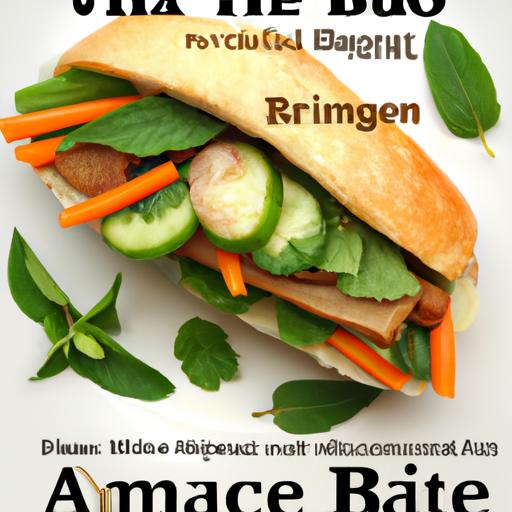
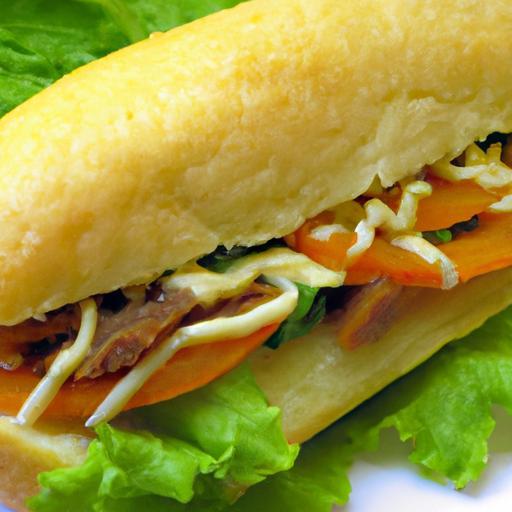
At its heart, bánh mì is a masterclass in balancing textures and flavors. The crusty baguette, light and airy inside, is the perfect vessel for an explosion of tastes. The journey begins with a layer of tender protein-like grilled chicken or tofu-coated in savory marinades. Next, shining and tangy pickled carrots and daikon add a refreshing crunch, complemented by fresh cilantro’s herbaceous pop. Thin slices of cucumber provide cool relief while a smear of creamy, plant-based mayonnaise acts as a luscious binder. The final element-a dash of fiery fresh chili or a drizzle of soy-based sauce-elevates the sandwich to sublime complexity.
This dance of crispy, soft, tangy, and spicy elements epitomizes what bánh mì is all about: a layered experience that surprises and delights with every bite.
Essential Ingredients and Authentic Variations to Try
- Crusty baguette – preferably light and airy with a crackling crust
- Grilled chicken thigh or lemongrass tofu for a protein-packed filling
- Pickled vegetables: julienned carrots and daikon, pickled in rice vinegar, sugar, and salt
- Fresh cilantro sprigs
- Thin cucumber slices for cooling crunch
- Vegan mayonnaise or homemade garlic aioli to spread inside the bread
- Sliced jalapeño or bird’s eye chili for a spicy punch (optional)
- Soy sauce or tamari for added umami (optional)
- Lime wedges for a zesty finish (optional)
While the classic grilled chicken or lemongrass tofu are beloved, you can experiment with mushrooms, seared fish fillets, or marinated tempeh for exciting authentic twists that honor Vietnamese tradition without relying on pork.
Tips for Making Your Own Bánh Mì at Home Like a Pro
Mastering bánh mì at home is easier than it looks when you understand its key components and balance. Start by sourcing or baking a good-quality baguette with the right texture-crispy crust with an airy middle is essential for that authentic bite. Pickling your own vegetables ensures vibrant color and flavor: soak thin carrot and daikon strips in a rapid brine for at least 30 minutes before assembling.
Marinate your protein with classic Vietnamese seasonings like lemongrass, garlic, fish sauce substitute (or soy sauce), and a touch of sugar for caramelized depth. don’t rush the veggies-fresh cilantro and cucumber provide crucial freshness that complements the richness of the spread and protein.
Assemble your bánh mì layered neatly, spreading mayo first to prevent sogginess, then adding protein, veggies, herbs, and finishing with chili for heat. Serve immediately for best texture contrast and flavor balance.
Prep and Cook Time
- Planning: 25 minutes
- Pickling Time: 30 minutes (can be done ahead)
- Cooking: 15 minutes
- Total: 1 hour 10 minutes
Yield
- Serves 4 hearty bánh mì sandwiches
Difficulty Level
- Medium – comfortable with basic pickling and grilling
Ingredients
- 4 small crusty baguettes (about 8 inches each)
- 1 lb boneless chicken thighs or 14 oz firm tofu, pressed and sliced
- 2 medium carrots, julienned
- 1 medium daikon radish, julienned
- 1/2 cup rice vinegar
- 1/4 cup sugar
- 1 teaspoon salt
- 1 cucumber, thinly sliced
- 1 bunch fresh cilantro
- 1-2 jalapeños or bird’s eye chilies, thinly sliced (optional)
- 1/2 cup vegan mayonnaise
- 2 tablespoons soy sauce or tamari
- 2 cloves garlic, minced
- 1 stalk lemongrass, finely chopped (for marinade)
- lime wedges, for serving (optional)
Instructions
- Prepare the pickled vegetables: In a bowl, combine rice vinegar, sugar, and salt until sugar dissolves. Add julienned carrots and daikon, toss to coat. Refrigerate for at least 30 minutes; the longer, the better for tanginess.
- Marinate the protein: In a separate bowl,mix soy sauce,minced garlic,lemongrass,and 1 teaspoon sugar. Add chicken or tofu, ensuring each piece is coated. Set aside for 20 minutes.
- Cook the protein: Heat a skillet over medium-high heat with a small drizzle of oil. Sauté chicken or tofu for about 4-6 minutes per side until cooked through and caramelized. Remove and set aside.
- Prepare the bread: Lightly toast the baguettes to crisp the crust. Slice lengthwise but keep one edge intact to create a pocket.
- Assemble the bánh mì: Spread a generous layer of vegan mayonnaise inside each baguette. Layer cooked protein, then drained pickled vegetables, fresh cucumber slices, cilantro leaves, and optional sliced chilies. Squeeze a wedge of lime over if desired.
- Serve immediately: For the best contrast of textures and flavors, enjoy your bánh mì right after assembly.
Chef’s Notes & Tips for Success
- Gluten-free option: Use gluten-free baguettes or crusty rolls available at specialty bakeries.
- Make-ahead: Prepare pickled veggies and marinade protein the day before; store separately in the fridge.
- Protein variations: Smoked tempeh, grilled mushrooms, or shredded chicken breast are excellent alternatives.
- Mayonnaise alternatives: Add a splash of lime juice or a dollop of hoisin sauce to vegan mayo for a unique twist.
- Storage: Assemble just before serving to maintain the crunch of the bread and freshness of vegetables.
Serving Suggestions
Present bánh mì on a rustic wooden board, paired with extra lime wedges and chili slices for guests to customize their heat level. Garnish with additional cilantro sprigs and serve alongside a light,refreshing iced jasmine tea for a true Vietnamese experience. For a casual twist, accompany the sandwich with a crisp Asian slaw or crunchy lotus root chips.
| Nutritional Info (per serving) | Calories | Protein (g) | Carbs (g) | Fat (g) |
|---|---|---|---|---|
| Bánh Mì with Grilled Chicken | 450 | 33 | 45 | 12 |
| Bánh Mì with Lemongrass Tofu | 400 | 22 | 48 | 10 |

Discover more about Vietnamese cuisine by exploring our Vietnamese grilled chicken recipes. For a deeper dive into the rich history of bánh mì, visit History.com’s feature on bánh mì.
Q&A
Q&A: Bánh Mì Unwrapped: The Iconic Vietnamese sandwich Story
Q1: What exactly is bánh mì, and why has it become so iconic?
A1: Bánh mì is a quintessential Vietnamese sandwich that marries the crispy, airy French baguette with vibrant, fresh, and savory Vietnamese ingredients. Its magic lies in the harmonious blend of textures and flavors-crunchy bread, pickled vegetables, fragrant herbs, and flavorful proteins-creating a bite that’s both humble and extraordinary. It’s iconic because it tells a story of history, culture, and globalization all wrapped up in one handheld delight.
Q2: How did bánh mì come to be a signature Vietnamese food?
A2: Bánh mì’s story begins during French colonial times in Vietnam, when the French introduced the baguette. over time, Vietnamese cooks made this baguette their own, replacing heavy French fillings with light, fresh options like grilled chicken, tofu, or eggs, paired with pickled carrots, daikon, and fresh cilantro.This culinary evolution mirrored Vietnam’s ability to blend tradition and innovation, giving rise to what’s now celebrated globally as bánh mì.
Q3: which ingredients make bánh mì authentically Vietnamese and not just a simple sandwich?
A3: Authenticity is in the details: the baguette is typically lighter and airier than its french counterpart, sometimes with a slightly sweet undertone. The fillings shine-think marinated grilled chicken or savory tofu, crunchy pickled carrots and daikon, fresh cucumber slices, spicy chili, and a generous handful of fragrant cilantro. A smear of creamy mayonnaise or a touch of soy-based sauce joins the ensemble, creating a balance of creamy, tangy, spicy, and herbal flavors unique to Vietnamese cuisine.
Q4: Why is bánh mì considered a street food hero in Vietnam?
A4: In Vietnam, bánh mì is more than just a meal-it’s a cultural ritual.Vendors line bustling streets and markets,crafting each sandwich to order in mere minutes,offering an affordable,appetizing,and portable feast for busy workers,students,and travelers alike. Its accessibility and flavor-packed profile have earned bánh mì a revered status as street food royalty.Q5: How has bánh mì evolved beyond its conventional roots in recent years?
A5: While honoring its roots, bánh mì has embraced creativity across the globe. chefs experiment with a variety of fillings such as grilled chicken with lemongrass, crispy tofu with vegan mayo, or sautéed mushrooms with hot chili oil. Innovations also extend to bread variations and sauces, but the essence remains-a perfect balance of crisp, tang, and freshness, ensuring bánh mì stays both timeless and trendy.
Q6: Can bánh mì be a good option for vegetarians or those seeking plant-based meals?
A6: Absolutely! Vegetarian bánh mìs are just as vibrant and satisfying. Imagine marinated tofu grilled to perfection, layered with crunchy pickles, fresh cucumbers, chili slices, and cilantro, all nestled in that signature baguette. Vegan mayonnaise or spicy soy-based sauces can add creamy indulgence without any animal products, making bánh mì a versatile culinary canvas for all diets.
Q7: What makes the bread in bánh mì different from othre baguettes?
A7: The bánh mì baguette is distinct for its thin, delicate crust and light, airy interior.It’s less dense and more tender than the traditional French baguette, often with a subtle sweetness from rice flour blends used in the dough. This creates the ideal vessel: crispy enough to hold up to juicy fillings without overwhelming them, yet soft enough to yield with every bite.
Q8: What role do pickled vegetables play in bánh mì?
A8: Pickled carrots and daikon bring a bright, tangy crunch that cuts through the richness of other ingredients. They introduce acidity and a slightly sweet zing that refreshes the palate, adds texture, and balances out savory or spicy layers. Without these pickles, bánh mì would lose much of its signature depth and lively contrast.
Q9: How can one enjoy bánh mì authentically outside of Vietnam?
A9: To savor bánh mì authentically outside Vietnam, seek out street food stalls, Vietnamese bakeries, or specialty sandwich shops known for using fresh, local ingredients and traditional preparation methods. Alternatively, making your own bánh mì allows hands-on appreciation: fresh baguette, quick-pickled veggies, fragrant herbs, and a well-marinated protein come together to bring a taste of Vietnam right to your kitchen.
Q10: What does bánh mì symbolize culturally for the Vietnamese people?
A10: Bánh mì symbolizes resilience, adaptability, and cultural fusion. It’s a delicious metaphor for Vietnam’s history-a melding of French colonial influence with authentic Vietnamese flavors and ingenuity. This sandwich embodies the spirit of Vietnamese hospitality and creativity, offering a simple yet profound reminder that great food transcends borders and time.
Closing Remarks
From humble street carts to bustling urban cafes, the bánh mì has journeyed far beyond its origins to become a symbol of Vietnamese ingenuity and cultural fusion. Each crispy bite tells a story-of history,of resilience,and of flavors expertly woven together in perfect harmony. As you savor this iconic sandwich, you’re not just tasting a meal; you’re experiencing a vibrant narrative that continues to evolve with every generation. So next time you unwrap a bánh mì, remember: you’re holding a delicious piece of heritage, crafted lovingly and ready to inspire your own culinary adventures.