

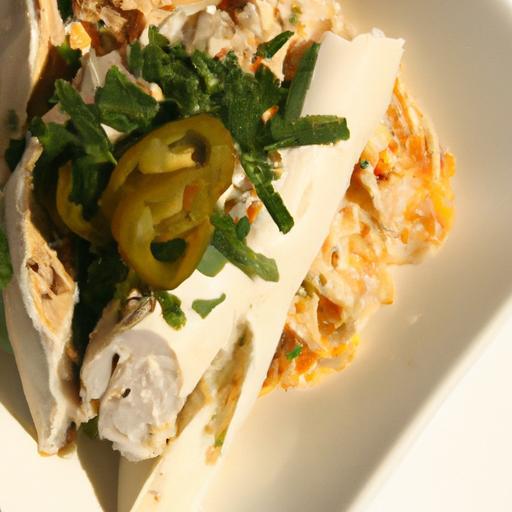
In the bustling streets of Damascus and the vibrant souks of Aleppo, a culinary treasure has been captivating palates for centuries: Syrian shawarma. More than just a simple wrap of meat and bread, Syrian shawarma is a rich tapestry woven from fragrant spices, time-honored techniques, and the warm embrace of tradition.This savory delight tells a story of ancient trade routes,cultural exchanges,and the enduring spirit of a people whose flavors have traveled far beyond their homeland. Join us as we embark on a flavorful journey through the layers of spice and history that make Syrian shawarma not just a meal, but a cherished experience.
Origins and Cultural roots of Syrian Shawarma
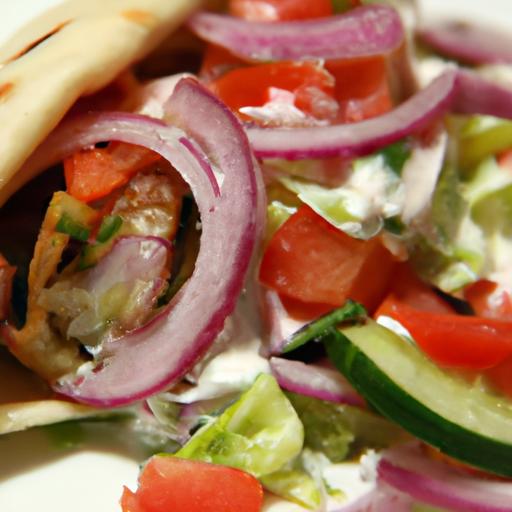
Syrian Shawarma is much more than just a beloved street food; itS a flavorful emblem of Syria’s rich culinary heritage. Originating from the Levant region, shawarma’s roots trace back centuries, blending influences from Ottoman culinary traditions and local Arab spices. Traditionally prepared in bustling marketplaces, this dish reflects the essence of communal dining, where the aroma of spices and sizzling meat fills the air, inviting locals and travelers alike to savor its distinct taste. Syrian shawarma’s unique blend of spices and marination techniques make it stand apart from other regional variations, imbuing it with a deep, smoky, and tangy profile. I still remember the first time I tasted shawarma in Damascus – the tender meat wrapped in freshly baked pita, drenched in tahini sauce and pickled vegetables, was a revelation of texture and warmth that has inspired my culinary journey ever as.
Prep and Cook Time
- Preparation: 20 minutes
- Marination: Minimum 4 hours (preferably overnight)
- Cooking: 15-20 minutes
- Total: 5 hours (including marination)
Yield
Serves 4 generously, perfect for a family meal or a flavorful gathering.
Difficulty Level
Medium – while the preparation is simple, achieving the perfect marinade balance and layering flavors requires a bit of attention and care.
Ingredients
- 1.5 lbs boneless chicken thighs, thinly sliced
- 3 tablespoons plain yogurt, full-fat
- 3 tablespoons olive oil
- 3 cloves garlic, finely minced
- 1 teaspoon ground cumin
- 1 teaspoon smoked paprika
- ½ teaspoon ground turmeric
- ½ teaspoon ground cinnamon
- 1 teaspoon ground allspice
- ½ teaspoon ground cardamom
- ½ teaspoon chili powder (adjust for desired heat)
- 1 tablespoon apple cider vinegar
- Salt and freshly ground black pepper to taste
- Fresh parsley, chopped (for garnish)
- Pita bread, warmed (for serving)
Instructions
- Prepare the marinade: In a large bowl, whisk together the yogurt, olive oil, garlic, apple cider vinegar, and all the ground spices until well combined. This mixture forms the aromatic base that tenderizes and flavors the chicken deeply.
- Marinate the chicken: add the thinly sliced chicken thighs to the bowl, ensuring each piece is fully coated with the marinade.Cover and refrigerate for at least 4 hours, preferably overnight, to allow the spices to fully infuse the meat.
- Preheat your cooking surface: Whether you choose a grill pan, skillet, or outdoor grill, heat it over medium-high heat until hot enough to sear.This step is crucial to develop the characteristic char and smokiness.
- Cook the chicken: Place the marinated chicken slices on the hot surface in a single layer. Sauté until golden brown and cooked through, about 5-7 minutes per side, flipping once. The edges should crisp slightly, evoking that authentic shawarma texture.
- Rest the meat: Transfer the cooked chicken to a plate and cover loosely with foil to retain juices. Let it rest for 5 minutes before slicing thinner if needed.
- Assemble and garnish: Fill warm pita breads with the sliced chicken, fresh parsley, and your favorite conventional accompaniments such as tahini sauce, pickled turnips, or a simple garlic sauce.
Chef’s Notes and Tips for Success
- Marination is key: The longer the chicken marinates, the more tender and flavorful it becomes. If short on time, allow at least 2 hours, but overnight is best.
- Use chicken thighs: Their higher fat content keeps the meat juicy and enhances the shawarma’s signature richness.
- Spice adjustments: Feel free to tweak the heat level by adding more or less chili powder. You can also experiment with other spices like sumac for a tangy twist.
- Cooking tip: Avoid overcrowding the pan; cook in batches if needed to ensure even searing.
- Make ahead: cooked shawarma can be refrigerated for up to 3 days and reheated gently on the stovetop for convenience.
Pairing Syrian Shawarma with Complementary Flavors and Sides
Enhance your syrian shawarma experience by serving it alongside traditional Levantine sides. Fragrant tabbouleh salad bursts with fresh herbs and citrus, while creamy hummus adds silky texture contrast. Pickled vegetables, especially turnips or cucumbers pickled in brine and beet juice, bring a refreshing acidity that balances the spices. For an extra layer of indulgence, drizzle with a garlic-laden toum sauce or creamy tahini. A squeeze of fresh lemon juice atop the assembled shawarma always brightens the rich flavors, while a simple side of grilled vegetables or crispy fries transforms the meal into a feast of textures and colors.
| Nutrient | Per Serving |
|---|---|
| Calories | 380 kcal |
| Protein | 32 g |
| Carbohydrates | 8 g |
| Fat | 22 g |
Explore the perfect hummus recipe to complement your Syrian shawarma, or learn more about Middle eastern spices from Britannica’s culinary insights.

Q&A
Q&A: Syrian Shawarma – A Savory Journey Through Spice and Tradition
Q1: What makes Syrian shawarma distinct from other types of shawarma across the Middle East?
A1: Syrian shawarma stands out for its harmonious blend of spices and the skillful marination of the meat.Unlike some regional variations that emphasize heavy sauces or complex toppings,Syrian shawarma balances robust flavors with fresh,simple accompaniments,allowing the spice-infused meat to truly shine. The use of aromatic spices such as cumin, allspice, and cinnamon evokes a warm, earthy profile that’s both savory and inviting.
Q2: What kind of meat is traditionally used in Syrian shawarma?
A2: chicken and lamb are the most traditional meats for Syrian shawarma. These meats absorb the marinade beautifully and develop a tender, juicy texture after cooking. The lamb in particular is prized for its rich flavour and pairs perfectly with the blend of spices that define Syrian shawarma’s signature taste.
Q3: How is the shawarma meat prepared before cooking?
A3: Preparation begins with thinly slicing the meat, then marinating it for several hours or overnight in a mixture of olive oil, garlic, vinegar or lemon juice, and a carefully crafted spice blend. This marinade tenderizes the meat while infusing it with layers of flavor. the seasoned meat is then stacked onto a vertical spit, where it slowly cooks and gets beautifully caramelized on the edges as it rotates.
Q4: What spices are essential in syrian shawarma seasoning?
A4: Key spices include cumin, coriander, allspice, turmeric, paprika, and a touch of cinnamon. These spices create a warm, slightly smoky, and subtly sweet flavor that sets Syrian shawarma apart. The balance of these spices is crucial-too much of one can overwhelm the delicate interplay that brings the dish to life.
Q5: How is Syrian shawarma typically served?
A5: Syrian shawarma is often served wrapped in freshly baked flatbread, such as pita or markouk, with an assortment of accompaniments. Common toppings include fresh tomatoes, pickled cucumbers, onions, and a drizzle of garlic sauce or tahini. The sandwich may be accompanied by sides like hummus, tabbouleh, or crispy fries, creating a satisfying mix of textures and flavors.
Q6: What cultural importance does shawarma hold in Syrian cuisine?
A6: Shawarma is more than just a street food in Syria-it is a culinary symbol of hospitality and community. Sharing shawarma at gatherings reflects warmth and friendship. Its origins date back decades, and recipes are frequently enough family treasures passed down through generations, preserving traditions while inviting new generations to savor timeless flavors.
Q7: Can the flavors of Syrian shawarma be recreated at home?
A7: Absolutely! While the authentic experience of cooking shawarma on a rotating spit is hard to replicate, home cooks can achieve appetizing results with a grill or oven. The key is in the marinade’s timing and balance-allowing the meat to soak up those spices thoroughly. Pairing the cooked meat with freshly made garlic sauce and freshly baked bread brings the heart of Syrian shawarma right to your kitchen.
Q8: What makes the garlic sauce used in Syrian shawarma special?
A8: Syrian garlic sauce, often called “toum,” is a creamy, emulsified condiment made from garlic, lemon juice, oil, and salt. it’s beautifully pungent but smooth, providing a zesty counterpoint to the richly spiced meat. This sauce not onyl enhances the flavor but also adds a cooling,fresh element that brightens the entire shawarma experience.
Q9: How does Syrian shawarma reflect the geography and history of Syria?
A9: Syria’s location as a crossroads between Asia, Europe, and Africa has exposed its cuisine to varied influences and rich ingredients that are reflected in shawarma’s spice palette. The warm climate encourages fresh vegetables and herbs, which inspire the lighter accompaniments. Shawarma captures a tapestry of Syria’s cultural interactions, trade history, and agricultural bounty in one flavorful wrap.
Q10: Are there vegetarian options inspired by the flavors of Syrian shawarma?
A10: Yes! While meat is central to traditional shawarma,creative cooks have developed vegetarian versions using marinated mushrooms,eggplant,or seitan,seasoned with classic shawarma spices. When paired with garlic sauce, fresh veggies, and warm bread, these plant-based alternatives offer a delicious homage that captures the essence of Syrian shawarma’s savory spirit.
The way Forward
As the rich aroma of garlic and sumac fades, the story of Syrian shawarma lingers-a vibrant tapestry woven from centuries of tradition, bold spices, and shared moments around the table. This savory journey reminds us that food is more than mere sustenance; it is a bridge connecting past and present, culture and community. Whether enjoyed on bustling city streets or in the quiet comfort of home, Syrian shawarma invites us to savor not just its flavors but the heritage and heart behind every tender, spice-kissed slice. In every bite, a timeless tale unfolds-one of resilience, celebration, and the enduring love of good food.