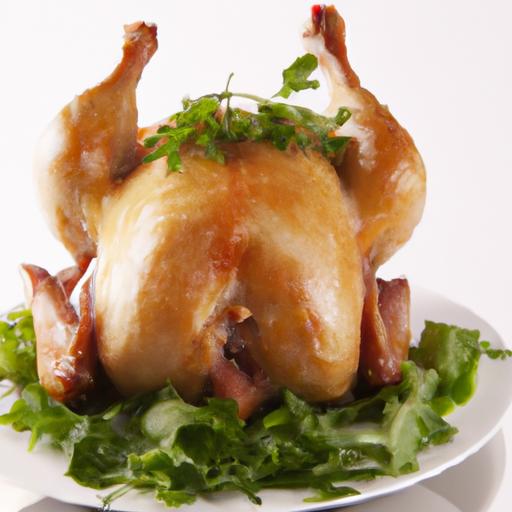




Ther’s something undeniably magical about a perfectly roasted chicken-its golden, crispy skin crackling with flavor and its tender, juicy meat falling effortlessly from the bone. Mastering the art of roast chicken is more than just following a recipe; it’s a harmonious dance of technique, timing, and intuition. Whether you’re a seasoned cook or a curious beginner, understanding the subtle secrets behind this classic dish can transform an everyday meal into a culinary masterpiece. In this article, we’ll explore the essential tips and techniques that elevate roast chicken from simple to breathtaking, ensuring your next bird is nothing short of perfection.
The Art of Perfect Roast Chicken: tips and Techniques
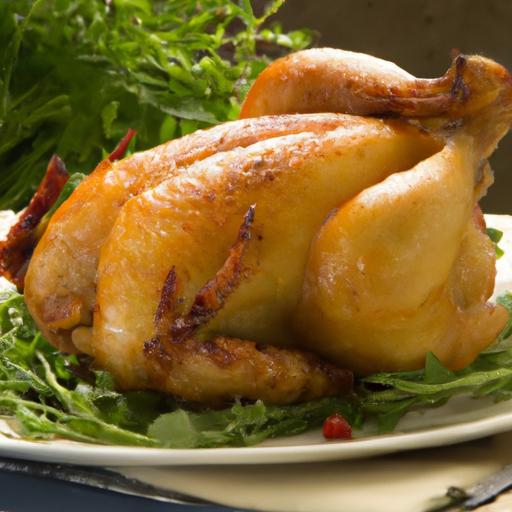
The art of perfect roast chicken begins with choosing the freshest bird and treating it with the respect it deserves. When done right, this classic dish delivers a symphony of textures and flavors: golden, crispy skin encasing juicy, tender meat infused with aromatic hints of herbs and spices.I still remember the first time I nailed that flawless roast-an experience so rewarding it transformed the way I cook poultry forever. Today, I’ll guide you through selecting your chicken, mastering the seasoning balance, locking in moisture with expert roasting methods, and resting the bird to unlock its full flavor potential.
Prep and Cook Time
- Planning: 20 minutes
- Roasting: 1 hour 15 minutes
- Resting: 15 minutes
- Total Time: Approximately 1 hour 50 minutes
Yield
Serves 4 to 6 people generously
Difficulty Level
medium – approachable for home cooks but requires attention to detail
Ingredients
- 1 whole chicken (about 4 lbs), preferably free-range or organic for superior flavor
- 1 tablespoon kosher salt
- 1 teaspoon freshly ground black pepper
- 1 tablespoon olive oil or melted unsalted butter
- 4 cloves garlic, smashed
- 1 lemon, halved
- 3 sprigs fresh thyme
- 2 sprigs fresh rosemary
- 1 medium onion, quartered
- Optional: 1 teaspoon smoked paprika or ground cumin for warming depth
Instructions
- Choosing and prepping the chicken: Start with a fully thawed bird.Remove any giblets from inside the cavity, than pat the chicken dry with paper towels-this crucial step ensures the skin crisps beautifully rather than steaming.
- Seasoning the bird: Generously sprinkle the kosher salt and black pepper both inside the cavity and all over the skin.This salting helps draw out moisture for crispy skin and enhances flavor deep within.
- flavor infusion: Stuff the cavity with smashed garlic cloves,lemon halves,fresh thyme,and rosemary. Tuck the onion quarters around the chicken in the roasting pan to impart subtle sweetness during cooking.
- Oiling the skin: Lightly brush the entire surface with olive oil or melted butter. This fat not only assists browning but adds a luscious richness to the final crust.
- Trussing (optional): Tie the legs together with kitchen twine and tuck the wing tips under the bird’s body. This compact shape promotes even cooking and a tidier presentation.
- Roasting: Preheat your oven to 425°F (220°C). Place the chicken breast-side up on a wire rack in a roasting pan. Roast for 15 minutes at this high temp to jumpstart skin crisping, then reduce the heat to 375°F (190°C) and continue roasting for about 50-60 minutes, or until an instant-read thermometer inserted into the thickest thigh reads 165°F (74°C).
- Basting (optional but recommended): Halfway through roasting, spoon pan juices over the bird to keep the skin flavorful and moist. Avoid opening the oven too frequently enough to retain heat.
- Resting: Once cooked, transfer the chicken to a carving board and tent loosely with foil. Let it rest for at least 15 minutes to allow juices to redistribute fully, ensuring every bite is succulent.
- Carving and serving: Carve your masterpiece with confidence, serving the bird alongside the roasted aromatics or your favorite seasonal sides.
Chef’s Notes: Tips for Success
- Chicken selection: Opt for a quality bird, such as free-range or organic, as it will have firmer flesh and better flavor. Avoid any frozen chicken that might be wet or soggy, as this compromises the skin texture.
- Dry brining option: For an extra-flavorful and crisp skin, salt your chicken 12-24 hours before roasting and leave it uncovered in the fridge to dry out.
- Seasoning variations: Feel free to swap thyme and rosemary for sage or marjoram. Add a pinch of chili flakes or smoked paprika for subtle warmth without overpowering the delicate meat.
- Roasting pan alternatives: If you don’t have a wire rack, place the chicken on a bed of halved onions and carrots to elevate it from the pan and allow air circulation.
- Make-ahead: The seasoned chicken can be prepped and trussed in advance,then refrigerated until ready to roast. Bring back to room temperature before placing in the oven.
Serving Suggestions
Present your roast chicken alongside crispy roast potatoes,honey-glazed carrots,and a fresh herb salad for a complete and satisfying meal. Scatter freshly chopped parsley and a few lemon wedges on the platter for a burst of color and brightness. For a rustic touch,drizzle pan juices or a simple jus over the carved meat. A dollop of homemade garlic aioli or tangy mustard on the side pairs beautifully, inviting each guest to customize their plate.

Nutrition Information
| Nutrient | Amount per Serving |
|---|---|
| Calories | 450 |
| Protein | 42g |
| Carbohydrates | 2g |
| Fat | 30g |
For more culinary inspiration on roasting poultry, check out our guide to perfectly roasted turkey. To deepen your understanding of poultry safety and cooking temperatures,the USDA provides excellent resources at USDA Food Safety Information.
Q&A
Q&A: The Art of Perfect Roast Chicken – Tips and Techniques
Q1: What’s the secret to achieving crispy, golden skin on a roast chicken?
A1: The key to irresistibly crispy skin lies in drying the bird thoroughly before roasting. Pat it with paper towels to remove moisture, then season generously with salt-this not only flavors but also helps draw out extra moisture during cooking. Roasting at a high temperature, especially in the first 15-20 minutes, encourages the Maillard reaction, giving that beautiful golden crust. For an extra crisp, try letting the seasoned chicken rest uncovered in the fridge for a few hours before cooking to dry out the skin even more.Q2: How do I ensure the roast chicken stays juicy and tender inside?
A2: Juiciness is all about gentle heat and timing. Consider roasting the chicken at moderate oven temperatures (around 375°F/190°C) after a brief high-heat blast, or roasting slower at lower temps for longer times. Another insider trick is to let the chicken rest for at least 15 minutes after roasting: tent it with foil and resist slicing right away. This resting allows the juices to redistribute, keeping each bite succulent.
Q3: Should I stuff the chicken to add flavor?
A3: Stuffing the cavity is a classic method to infuse aroma, but it does require care to ensure even cooking. Instead of heavy stuffings that can slow cooking and cause unevenness, opt for simple aromatics like halved lemons, garlic cloves, fresh herbs (rosemary, thyme, sage), or onion quarters inside the cavity. These will impart subtle, fragrant notes without adding moisture that might affect skin crispiness.
Q4: What seasonings and herbs work best for roast chicken?
A4: Simplicity reigns supreme. A rub of olive oil, salt, pepper, and fresh herbs such as thyme, rosemary, and sage can elevate the natural flavor without overpowering it. You can also add a touch of smoked paprika for color and a hint of warmth or a squeeze of lemon juice for brightness. Remember to season both under the skin and on top for maximum impact.
Q5: Is brining essential for making the perfect roast chicken?
A5: Brining-soaking the bird in a saltwater solution-can be a game-changer for moistness and flavor. It allows the meat to absorb moisture and seasoning more deeply. If you have the time, a simple salt-and-water brine (with optional aromatics like bay leaves or peppercorns) for a few hours or overnight can make a noticeable difference. Just be sure to pat the chicken dry thoroughly afterward to get that coveted crispy skin.
Q6: can I use a roasting pan or do I need special equipment?
A6: While a high-quality roasting pan can help with even heat circulation and collecting drippings for gravy, it’s not mandatory. A sturdy ovenproof skillet or even a rimmed baking sheet lined with a wire rack works beautifully too. Elevating the chicken on a rack helps air circulate under the bird, promoting an all-around crispy texture.Q7: How do I know when the roast chicken is perfectly cooked?
A7: The most reliable method is using an instant-read thermometer. Insert it into the thickest part of the thigh without touching bone; the safe internal temperature is 165°F (74°C). The juices should run clear when you pierce the meat. In the absence of a thermometer, wiggle the drumstick-if it moves easily and the skin is nicely browned, you’re likely in the perfect zone.
Q8: Any tips for elevating the flavor of the pan drippings?
A8: Absolutely! The pan drippings are liquid gold, packed with roasted goodness. After the chicken rests, pour the drippings into a saucepan, skim off excess fat, and simmer with a splash of stock and a sprig of fresh herbs. reduce it to a luscious jus or pan sauce that’s perfect drizzled over slices of chicken, adding another layer of depth and moisture to the dish.
Q9: Can I roast a stuffed chicken without risking dryness?
A9: Stuffed chickens tend to take longer to cook and can dry out if overcooked. If you’re stuffing your bird,ensure the stuffing reaches at least 165°F (74°C) as well,which can sometimes mean the meat overcooks. To avoid this, consider roasting the stuffing separately or loosely filling the cavity to allow heat to circulate effectively.
Q10: what side dishes pair beautifully with roast chicken?
A10: Roast chicken is wonderfully versatile! Classic companions include roasted root vegetables, garlic mashed potatoes, sautéed greens, or a vibrant salad tossed with seasonal produce. The rich pan sauce or jus enhances simple sides and ties the meal together with comforting, harmonious flavors.
–
Master these tips and techniques, and you’ll transform the humble roast chicken into a crowning glory of your kitchen repertoire-crispy, tender, and deeply flavorful every time!
In Retrospect
Mastering the art of the perfect roast chicken is more than just following a recipe-it’s about embracing patience, precision, and a touch of intuition. With the right blend of timing, seasoning, and technique, you can transform a simple bird into a golden centerpiece that sings with juicy tenderness and crispy, flavorful skin. Whether you’re a seasoned cook or a curious beginner, these tips are your gateway to roast chicken excellence-inviting you to savor every bite and share the warmth of a meal made truly unforgettable. So roll up your sleeves, ignite your kitchen confidence, and let the magic of roast chicken elevate your culinary repertoire to new, delicious heights.