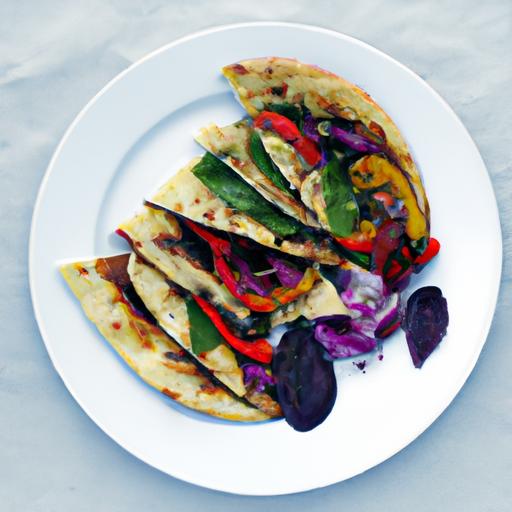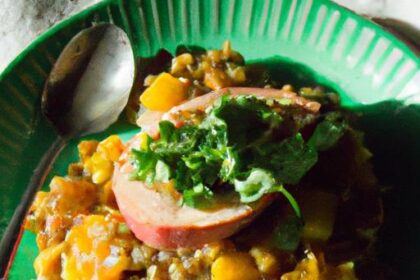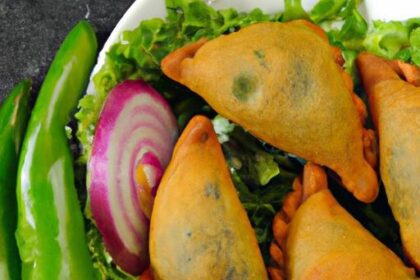

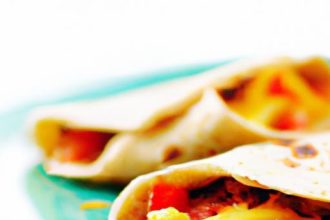

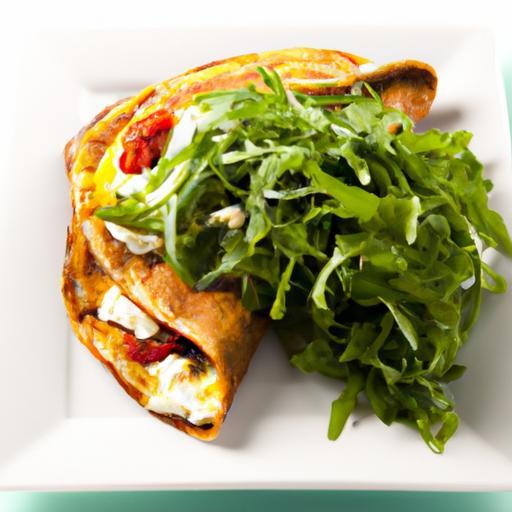
From the sunbaked plains of the Middle East to the bustling streets of Southeast Asia, flatbreads have long served as the humble yet essential canvas of countless cultures. These timeless staples-whether crisp and thin or soft and pillowy-carry stories of ancient traditions, regional flavors, and communal gatherings. In “Flatbreads Unfolded: exploring Timeless Global Staples,” we embark on a flavorful journey to uncover the origins, varieties, and cultural significance of flatbreads across the world. Join us as we peel back layers of history and dough, revealing how these simple creations continue to nourish bodies and connect people across generations.
Flatbreads unfolded reveal an unusual tapestry of culinary history, weaving together communities and cultures across continents. This humble staple, simple in ingredients yet profound in significance, carries stories of nomadic tribes, bustling city markets, and festive gatherings. From the sun-baked chapatis of India to the smoky naan ovens of Central Asia, flatbreads embody tradition while inviting endless innovation.
Dough to Delight: Exploring Techniques for Perfect texture
Mastering flatbreads hinges on understanding the delicate balance of hydration, gluten development, and cooking heat. The magic lies in crafting a pliable dough that puffs uniformly and boasts the signature soft interior with a lightly charred, crisp exterior. Whether rolled thin for crispy lavash or gently slapped into a gentle dome for pillowy pita, the tactile experience of the dough guides every step.
Prep and Cook Time
- Preparation: 15 minutes
- Resting Time: 1 hour (for optimal gluten relaxation)
- cooking: 10-15 minutes
Yield
4 generous flatbreads (approximately 8 inches in diameter)
Difficulty Level
Medium – Requires patience for kneading and resting but approachable for home cooks
Ingredients
- 2 cups all-purpose flour, sifted
- 1/2 teaspoon salt
- 3/4 cup warm water (about 110°F / 45°C)
- 2 tablespoons olive oil, plus extra for cooking
- 1 teaspoon active dry yeast
- Optional: 1 teaspoon sugar (to activate yeast)
Instructions
- Activate the yeast: in a small bowl, combine warm water, yeast, and sugar. Stir gently and let sit 5-7 minutes until frothy – this signals active yeast ready to leaven your dough.
- Mix the dry ingredients: in a large mixing bowl, whisk together the sifted all-purpose flour and salt to ensure even seasoning.
- Combine wet and dry: Slowly pour the yeast mixture and olive oil into the flour. Using a wooden spoon or your hands,mix until a rough dough forms.
- Knead with intention: On a lightly floured surface, knead the dough for 8-10 minutes until smooth and elastic. The dough should spring back softly when pressed.
- First rise and rest: Place the dough in a lightly oiled bowl, cover with a damp cloth or plastic wrap, and let it rest in a warm spot for 45-60 minutes.It should almost double in size.
- divide and shape: Punch down the dough gently, divide it into 4 equal balls. Roll each into a circle roughly 8 inches in diameter, keeping thickness about 1/8 inch to allow puffing.
- Cook with care: Heat a heavy-duty skillet or cast iron pan over medium-high heat. Lightly brush with olive oil. Place one flatbread in the pan and cook 2-3 minutes per side, flipping once small bubbles and golden brown spots appear. Repeat for remaining dough.
- Rest and serve: Stack cooked flatbreads wrapped in a clean towel to keep warm and soft until serving.
Chef’s Notes: Tips for Success
- Hydration is key: Adjust water slightly if dough feels too stiff or sticky, aiming for a soft, supple texture.
- Use high heat carefully: The pan must be hot enough for browning but not so hot it burns the bread before cooking through.
- Resting is non-negotiable: Allowing the dough to relax improves gluten structure and develop flavor.
- Make-ahead option: Refrigerate dough overnight for deeper flavor and convenience; bring it to room temperature before shaping.
- Flavor infusions: Incorporate minced garlic, finely chopped herbs, or nigella seeds into the dough for delightful aromatic twists.
Flavorful Pairings and Serving Suggestions to Elevate Every Bite
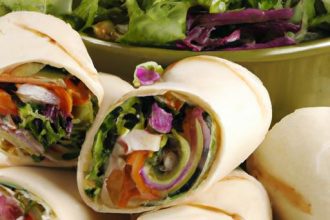
Complement these versatile flatbreads with rich bowls of spiced lentils or vibrant vegetable stews to soak up the savory broth. For a refreshing touch,serve alongside tzatziki or a luminous chimichurri drizzle. The warm, elastic texture makes it ideal for wrapping falafel, grilled vegetables, or a medley of marinated tofu.
Garnish with a sprinkle of toasted sesame seeds or a drizzle of high-quality extra virgin olive oil to add visual appeal and enhance flavor complexity.for festive occasions, pair with saffron-infused roasted nuts or preserves to balance savory and sweet notes.
Innovative Twists on Traditional Recipes for the Modern Kitchen
Reimagining this staple is an invitation to experiment: substitute whole wheat or spelt flour for a nuttier profile, or blend chickpea flour to boost protein content.For gluten-free delight, mix sorghum and rice flour with a binding agent like xanthan gum.
Try baking the flatbreads directly on a pizza stone or using a grill pan to induce a smoky char and crispier texture that pairs beautifully with robust sauces. For a nutrient-packed upgrade, swirl in finely grated turmeric or beetroot creating vibrant visual appeal and subtle earthy undertones.
| Nutrient | Amount per Flatbread |
|---|---|
| Calories | 180 kcal |
| Protein | 5 g |
| Carbohydrates | 30 g |
| Fat | 4 g |

Explore more on embracing timeless staples with our Guide to Global Breads and deepen your understanding of fermentation techniques via Science Daily’s research on yeast and fermentation.
Q&A
Q&A: Flatbreads Unfolded: Exploring Timeless Global Staples
Q1: What makes flatbreads such a timeless staple across different cultures?
A1: Flatbreads hold a unique place in culinary history because of their simplicity, versatility, and adaptability. Made from basic ingredients like flour, water, and salt, they require minimal resources and can be cooked quickly. Their flat, pliable form allows them to serve as utensils, wraps, or side dishes, making them indispensable in diverse food traditions worldwide.
Q2: How do the varieties of flatbreads reflect the geography and culture of their origins?
A2: Each flatbread tells a story of its habitat and people. As a notable example, Indian naan frequently enough incorporates yogurt and is traditionally cooked in a tandoor, reflecting the region’s climate and cooking methods. In contrast, Middle Eastern pita is known for its pocket, created by steam during baking, perfect for stuffing local salads and stews. These flatbreads adapt to available grains, local spices, and customary cooking techniques, embodying cultural identity.
Q3: Are flatbreads always leavened, or do they come unleavened as well?
A3: Flatbreads span the spectrum from unleavened to leavened. Unleavened examples like Mexico’s tortillas or Ethiopian injera-made from teff flour and fermented batter-offer distinct textures and flavors. Leavened varieties such as leavened naan or Russian blini introduce airiness and tenderness, expanding the sensory experience. Whether dense or fluffy,each variation complements the dishes it accompanies.
Q4: How are flatbreads typically enjoyed in different parts of the world?
A4: The ways flatbreads are savored are as diverse as their forms. In the Mediterranean, warm pita may cradle dips like hummus or baba ganoush. Indian chapati frequently enough accompanies spiced vegetables and lentils. Central Asian lavash is rolled with herbs and cheese,while the crispy Mexican tostada forms a crunchy base for vibrant toppings. These culinary pairings elevate flatbreads beyond mere bread, turning them into edible vessels of flavor.Q5: Can flatbreads be adapted for modern dietary preferences and creative cooking?
A5: Absolutely! Flatbreads provide a flexible canvas for innovation. Grain alternatives such as gluten-free flours or ancient grains like millet and sorghum can broaden health-conscious options. Incorporating herbs, seeds, or spices into the dough introduces new dimensions of taste. They’re also perfect for plant-based meals, serving as wraps or pizza bases laden with colorful vegetables and savory spreads.
Q6: What role do traditional cooking methods play in the essence of flatbreads?
A6: Traditional techniques impart authenticity and distinct character to flatbreads. Whether cooked on a hot griddle, baked in clay ovens, or charred over open flames, each method influences texture and flavor profoundly.These time-honored practices connect modern eaters to ancestral ways, carrying forward the soul of flatbread across generations and borders.
Q7: why is exploring flatbreads considered a journey into global culinary heritage?
A7: Flatbreads embody the shared human experience of nourishment and creativity. Though they may appear humble, they reveal intricate relationships between food, culture, environment, and history. Delving into flatbreads invites us to appreciate not only their taste but also the stories and traditions baked into their layers-a flavorful journey that unites us all around the table.
The Conclusion
As we close the warm, fragrant folds of flatbreads from around the world, it becomes clear that these humble staples are far more then just simple breads. They are edible chronicles-carrying the stories of ancient hearths, the innovation of countless cultures, and the shared human desire for comfort and sustenance.From the crisp lavash of Armenia to the soft, pillowy chapatis of india, flatbreads invite us to taste history, tradition, and the endless creativity kneaded into dough. So next time you break bread-flat or or else-remember you are partaking in a timeless global ritual, one that continues to unfold with every bite.