


In the ever-evolving world of pizza, a quite revolution is unfolding-one that’s turning heads, tantalizing taste buds, and redefining what a slice can be. Meet the cauliflower crust: a vibrant, veggie-packed alternative that’s sweeping kitchens from home cooks to gourmet pizzerias alike. Gone are the days when pizza was just a guilty pleasure drenched in carbs; this innovative crust offers a fresh, nutritious twist that satisfies cravings while sneaking in a powerhouse of vitamins and fiber. As the boundaries between health and indulgence blur, cauliflower crust is proving that vegetables can be the star of the show, transforming pizza from simple comfort food into a culinary celebration of creativity and wellness. Join us as we explore how this humble cruciferous vegetable is leading a delicious, plant-powered revolution in the art of pizza making.
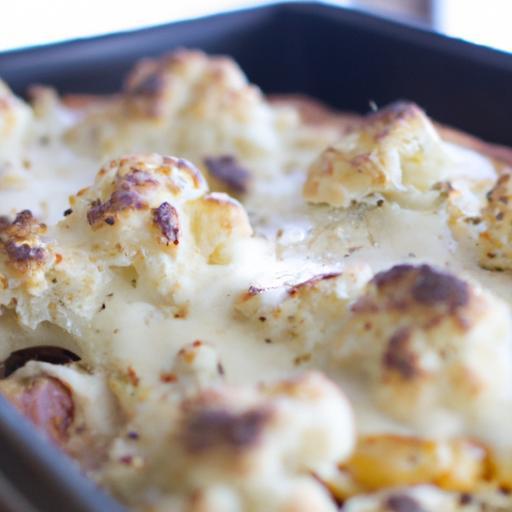
Cauliflower crust has revolutionized the way we enjoy pizza, blending vibrant nutrition with crave-worthy flavors and textures. This ingenious alternative to customary dough captures the essence of pizza nights while embracing a wholesome, veggie-forward approach that appeals to health-conscious food lovers everywhere. Originating from innovative home kitchens and embraced by modern food culture, cauliflower crust has swiftly risen as a favorite for those seeking a lighter, gluten-free, and nutrient-packed pizza base without compromising on crispness or taste.
Prep and Cook Time
- Readiness: 20 minutes
- Cooking: 25 minutes
- Total Time: 45 minutes
Yield
Serves 2 to 3 people depending on appetite and toppings
Difficulty Level
Medium: Requires attention to moisture management and crisping technique
ingredients
- 1 medium head of cauliflower (about 4 cups riced cauliflower)
- 1 large egg, lightly beaten
- 1 cup shredded mozzarella cheese
- 1/4 cup grated Parmesan cheese
- 1/2 teaspoon dried oregano
- 1/2 teaspoon garlic powder
- 1/4 teaspoon salt
- Freshly ground black pepper, to taste
- 2 tablespoons ground almond meal (optional, for extra binding)
- Olive oil spray, for crisping
Instructions
- Rice the cauliflower: Cut the cauliflower into florets and pulse in a food processor until fine and grainy, resembling rice. Be careful not to over-process; you want small, uniform pieces.
- Steam and drain: transfer the riced cauliflower to a microwave-safe bowl, cover, and microwave on high for 4 minutes. Let it cool slightly, then place the cooked cauliflower in a clean kitchen towel or cheesecloth. Squeeze firmly to remove as much moisture as possible – this step is critical for a crisp crust.
- Mix the crust: In a large bowl, combine the dried cauliflower with the egg, mozzarella, Parmesan, oregano, garlic powder, salt, pepper, and almond meal if using. Mix thoroughly until all ingredients form a sticky, dough-like consistency.
- Shape the crust: Line a baking sheet with parchment paper and lightly spray with olive oil. Transfer the cauliflower dough onto the sheet and gently press into a circular or rectangular shape about 1/4 inch thick. Ensure the edges are slightly thicker to retain structural integrity while baking.
- Bake the crust: Place the crust in a preheated oven at 425°F (220°C) and bake for 15-18 minutes until golden brown and firm to the touch. Halfway thru, you can carefully flip the crust for extra crispiness if desired.
- Add toppings: Remove the crust from the oven and add your favorite pizza toppings - think fresh tomato sauce, more mozzarella, vibrant veggies like bell peppers, spinach, mushrooms, and olives. Avoid overloading to keep the crust intact.
- Bake again: Return the topped pizza to the oven and bake for another 7-10 minutes until the cheese bubbles and edges turn slightly golden.
- Serve hot: Let the pizza cool for a few minutes to set, then slice and enjoy your nutrient-packed masterpiece.
Tips for Success
- Remove moisture diligently: Excess water in cauliflower is the biggest culprit in soggy crusts. Spend an ample amount of time squeezing out every drop.
- use shredded or finely grated cheeses: These melt well and help bind the crust together without adding excess moisture.
- Customize binding agents: Eggs are standard, but you can experiment with flax eggs or add a sprinkle of almond or coconut flour for additional firmness.
- Pre-baking the crust alone: This ensures a sturdier base, reducing sogginess when toppings go on.
- For extra crunch: After the first bake, broil the crust briefly (1-2 minutes) to intensify the crispiness before adding toppings.
- Make ahead: Prepare the crust in advance, cool wholly, then store in the fridge for up to 2 days or freeze. Bake again from chilled/frozen before adding toppings.
serving Suggestions
Serve your cauliflower crust pizza straight from the oven with a side of fresh arugula tossed in a light lemon vinaigrette. Garnish with fresh basil leaves and a sprinkle of chili flakes or a drizzle of high-quality olive oil for an extra pop of flavor. Pair it with roasted garlic dipping oil or a simple mixed green salad with cherry tomatoes and cucumbers for a balanced meal. Presentation tip: slice into wedges and serve on a wooden board to amplify that classic pizzeria vibe.

| Nutrient | Amount (per serving) |
|---|---|
| Calories | 280 kcal |
| Protein | 18 g |
| Carbohydrates | 8 g |
| fat | 18 g |
Discover other innovative veggie-forward recipes like our zucchini noodle pasta for a wholesome, flavorful journey. For detailed nutritional benefits of cauliflower, visit Healthline’s thorough guide.
Q&A
Q&A: Cauliflower Crust – The Veggie Revolution in Pizza Making
Q1: What exactly is cauliflower crust, and why has it become so popular?
A1: Cauliflower crust is a pizza base made primarily from grated cauliflower, frequently enough combined with cheese, eggs, and seasonings to bind it together.It’s risen in popularity as a low-carb, gluten-free alternative to traditional wheat crust, appealing to health-conscious foodies and those with dietary restrictions. Plus, it’s a clever way to sneak more veggies into your meal without sacrificing flavor or texture.
Q2: How does cauliflower crust compare nutritionally to traditional pizza crust?
A2: Compared to regular pizza dough, cauliflower crust generally boasts fewer carbs and calories, more fiber, and a higher concentration of vitamins like C and K. It’s a nutrient-dense option that can definitely help stabilize blood sugar levels and support digestive health, making it a smart choice for anyone looking to eat cleaner without giving up comfort food.
Q3: Is making cauliflower crust at home tough?
A3: Not at all! The process involves pulsing cauliflower florets into a rice-like texture, steaming or microwaving them, then squeezing out moisture before mixing with binding ingredients. The mixture is shaped into a crust and baked until crisp. It requires a bit of patience with moisture removal, but the results are well worth the effort-plus, homemade crusts allow you to customize flavors and thickness.
Q4: Does cauliflower crust taste and feel like traditional pizza crust?
A4: While it’s not an exact replica, cauliflower crust delivers a pleasantly crispy and slightly nutty base that pairs beautifully with classic toppings. The texture is lighter and less doughy, offering a fresh twist that lets the toppings shine. For those open to new experiences, it’s a delightful departure from the ordinary.
Q5: What toppings complement cauliflower crust best?
A5: Since cauliflower crust has a subtle, slightly sweet flavor, it pairs wonderfully with vibrant veggies like roasted bell peppers, spinach, mushrooms, and artichokes. Bold cheeses such as mozzarella or feta and fresh herbs like basil and oregano elevate the taste. Creative combinations like pesto drizzle or a sprinkle of nutritional yeast can add exciting layers of flavor.
Q6: Can cauliflower crust be made vegan or dairy-free?
A6: Absolutely! By swapping eggs with flaxseed or chia seed “eggs” and using plant-based cheeses or nutritional yeast, cauliflower crust can be tailored to fit vegan or dairy-free diets. These adaptations maintain the crust’s structural integrity while keeping the plant-powered spirit alive.
Q7: Are there other vegetables that can be used for “crust revolution” besides cauliflower?
A7: Yes! Veggie-inspired crusts are a playground for creativity. Zucchini, sweet potato, and broccoli have all been transformed into inventive crust bases. Each brings unique flavors and textures, but cauliflower remains a favorite for its mild taste and adaptable nature.
Q8: How does eating cauliflower crust pizza fit into a balanced diet?
A8: Cauliflower crust pizzas offer a satisfying way to indulge without tipping the nutritional scales. they provide a good source of fiber and micronutrients while cutting down on refined carbs. When paired with colorful vegetables and lean proteins, they become a wholesome, energizing meal that aligns with mindful eating habits.
Q9: can cauliflower crust pizzas freeze well?
A9: Definitely! To freeze,bake the crust first,then cool completely before topping or storing. You can freeze plain crusts or fully assembled pizzas in airtight containers. When ready, reheat in the oven for a crispy finish. This makes them an excellent option for meal prep and busy weeknights.
Q10: What’s the future of pizza with the rise of cauliflower crust?
A10: The cauliflower crust phenomenon signals a broader shift towards nutrient-rich,sustainable eating habits. As more home cooks and pizzerias experiment with vegetable-based crusts,pizza is evolving into a versatile canvas that celebrates health without compromising indulgence. The veggie revolution in pizza making is here to stay-one delicious slice at a time.
Future Outlook
As the humble cauliflower steps out of the vegetable drawer and onto our pizza plates,it’s clear that this veggie revolution is more than just a trend-it’s a flavorful shift in how we think about comfort food. Cauliflower crust not only offers a lighter, nutrient-packed alternative to traditional pizza bases but also opens the door to endless culinary creativity for both health enthusiasts and adventurous eaters alike. So next time you crave a slice, remember: sometiems the most satisfying innovations come wrapped in unexpected green leaves, inviting us to savor pizza in a whole new, deliciously wholesome way.