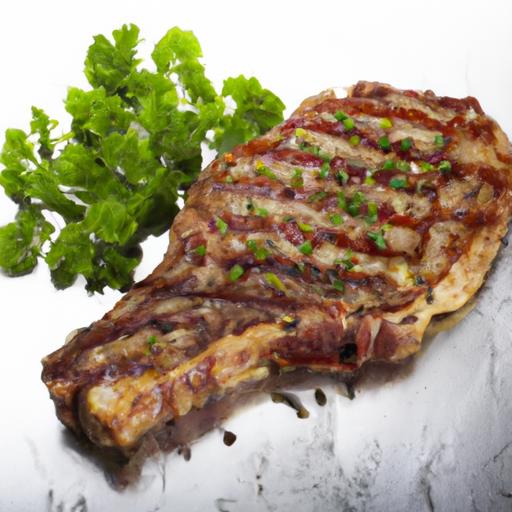




There’s something almost magical about teh sizzle of a perfect steak hitting a hot pan-the way the aroma fills the air,the caramelized crust that forms,adn that tender,juicy interior that melts in your mouth. But achieving steakhouse-quality results at home can feel like a mysterious art, one reserved for seasoned chefs and grill masters. Fear not. Whether your a kitchen novice or a culinary enthusiast,”Mastering the Perfect steak: Your Ultimate Cooking Chart Guide” will demystify the process. This article is your roadmap to steak success, breaking down every essential step-from selecting the right cut to timing your sear-all laid out in an easy-to-follow cooking chart.Get ready to elevate your steak game and savor mouthwatering results every time.
Mastering the Perfect Steak begins wiht understanding how every component-from the cut you choose to the heat you wield-affects the final flavor and texture. Whether you prefer a buttery tender filet mignon or the robust marbled richness of a ribeye, selecting the right steak sets the stage for an unforgettable dining experience. This journey isn’t just about cooking meat; it’s about honoring its character by unlocking the secrets of temperature control, precision timing, and the artful sear that seals in juices and flavor.
Prep and Cook Time
- Preparation: 10 minutes
- Cooking: 8 to 15 minutes (depending on thickness and doneness)
- Resting: 5 to 10 minutes
Yield
- Serves 2 hearty portions
Difficulty Level
- Medium – perfect for cooks ready to elevate their skillet skills
Ingredients
- 2 ribeye steaks, approximately 1¼ inches thick, room temperature
- 2 teaspoons kosher salt
- 1 teaspoon cracked black pepper
- 2 tablespoons high smoke point oil (grapeseed, avocado, or refined sunflower)
- 3 tablespoons unsalted butter, room temperature
- 3 garlic cloves, crushed but whole
- 3 sprigs fresh thyme or rosemary
instructions
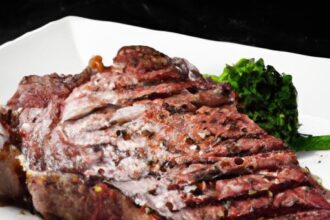
- Season Generously: Pat steaks dry with paper towels to ensure a crispy crust. Sprinkle kosher salt and cracked black pepper evenly on both sides. Let them rest at room temperature for 30 minutes to absorb seasoning and promote even cooking.
- Preheat Your Pan: Heat a heavy-bottomed cast iron skillet over medium-high heat until it starts to smoke lightly-this means it’s blazing hot and ready to sear. A well-preheated pan is key to developing that golden-brown crust.
- Add Oil and Steaks: Swirl in your neutral oil. Place steaks gently into the pan, lay them away from you for safety, and do not move them during the first 2-3 minutes to form that crucial crust.
- Sear and Flip: After the first side develops a deep mahogany crust, flip using tongs and immediately add butter, crushed garlic, and herbs to the pan.Begin spooning the melted butter over the steaks continuously-a technique called “basting” that infuses flavor and promotes even cooking.
- monitor Temperature and Doneness: Using an instant-read meat thermometer, aim for these benchmarks: 120°F for rare, 130°F for medium-rare, 140°F for medium. Remember that meat continues to cook slightly after resting, so remove steaks 5°F below your target temperature.
- Rest Before Serving: Transfer steaks to a warm plate and tent loosely with foil for 5 to 10 minutes. Resting allows the juices to redistribute, ensuring every bite is succulent and tender.
Chef’s Notes
- Cut Selection: Ribeye delivers rich marbling and flavor-ideal for beginners mastering searing. For a leaner option, opt for filet mignon or strip steak but adjust cooking time slightly as lean cuts cook faster.
- Temperature Tips: never overcrowd your pan. Cooking steaks individually or in batches helps maintain high heat crucial for the perfect sear.
- Make-Ahead: Season steaks and refrigerate uncovered overnight for even deeper flavor and drier surfaces, improving crust development.
- Substitutions: If fresh herbs aren’t available, dried rosemary or thyme can be used; add them early in the basting process to soften.
- Resting Advice: Avoid skipping resting-it’s the difference between dry juices pooling on the plate and your steak bursting with moisture.
Serving Suggestions
Present your steak atop a bed of creamy mashed potatoes or roasted baby vegetables. Garnish with a sprinkle of flaky sea salt and freshly cracked pepper. For an elevated touch, drizzle the pan juices over the top or add a dollop of compound butter infused with garlic and herbs. A crisp green salad or grilled asparagus complements the rich, hearty texture perfectly.

| Doneness | Internal Temp (°F) | Cooking time (per side) | Texture |
|---|---|---|---|
| Rare | 120-125 | 3-4 minutes | Cool, red center |
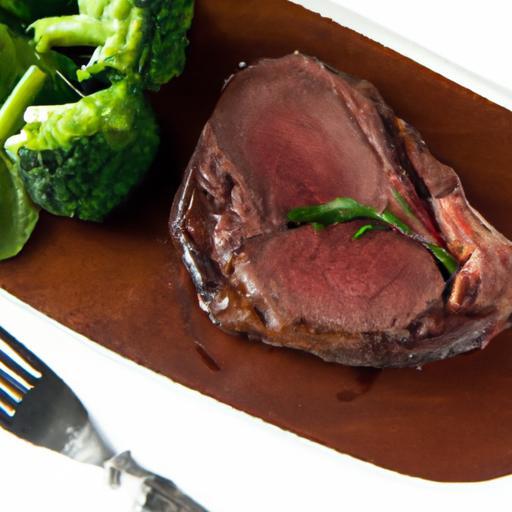
| Medium-Rare | 130-135 | 4-5 minutes | Warm, pink center |
| Medium | 140-145 | 5-6 minutes | Firm, slightly pink |
| Medium-Well | 150-155 | 6-7 minutes | Mostly brown, hint of pink |
| well Done | 160+ | 7+ minutes | Brown throughout |
For more insights into steak selection and perfect cooking, explore our Ultimate Guide to Steak Cuts. To deepen your understanding of temperature control, visit the Harvard Science of cooking for science-backed techniques.
Q&A
Q: What’s the secret to mastering the perfect steak every time?
A: The magic lies in understanding your cut, controlling the heat, and mastering timing. the perfect steak balances a beautifully seared crust with a tender, juicy interior. Using a reliable cooking chart tailored to thickness and desired doneness ensures that no guesswork ruins your culinary masterpiece.
Q: How do I choose the right cut of steak for cooking at home?
A: Know your cuts! Ribeye offers rich marbling and flavor, filet mignon is buttery tender, and sirloin boasts robust beefy notes. Each behaves differently under heat, so pick based on your texture preference and consult your cooking chart to adjust time and temperature accordingly.
Q: How important is steak thickness in determining cooking time?
A: Thickness is your best cooking compass. A thin steak (about ¾ inch thick) sears rapidly and cooks quickly, while a thicker cut (1½ inches or more) requires more nuanced timing or finishing in the oven.Your ultimate cooking chart breaks down these differences, ensuring every slice nails your preferred doneness.
Q: Can I rely solely on visual cues to know when my steak is done?
A: Visual cues like crust color and grill marks are helpful, but not foolproof. For ultimate precision, use a meat thermometer alongside the cooking chart’s temperature recommendations: 125°F for rare, 135°F for medium-rare, and so on. This way,guesswork turns into confidence.Q: What role does resting play after cooking the steak?
A: Resting is where magic happens! Letting your steak rest for 5-10 minutes allows juices to redistribute, making each bite succulent. Think of it as the final flourish to your perfectly orchestrated cooking process-don’t skip this step if you want steak nirvana.
Q: How can I enhance my steak’s flavor without overshadowing its natural taste?
A: Keep it simple and let the beef shine. A pinch of coarse sea salt and freshly cracked black pepper before cooking, perhaps a touch of garlic butter after resting, elevates flavor without masking the steak’s inherent richness.Your cooking chart is about the technique; seasoning is the art.
Q: Is pan-searing or grilling better for achieving the perfect steak?
A: Both methods have their charm. Pan-searing offers precise temperature control and a luscious crust, while grilling imparts a smoky char and outdoor flair.Your steak cooking chart can guide you on timing and heat levels tailored for each method. Choose adventure or tradition based on your mood!
Q: How does the cooking chart help with adjusting steaks to different levels of doneness?
A: The chart acts as your personal steak whisperer, translating thickness and temperature into clear cook times that align with rare, medium, or well-done preferences. It’s like having a culinary GPS, steering you away from guesswork and toward perfectly cooked results every time.
Q: What’s the best way to sear a steak to develop that coveted crust?
A: High heat is your ally here. Preheat your pan or grill until it’s smoking hot before laying down the steak. Resist moving it around - let it form that glorious Maillard reaction crust undisturbed,usually 2-3 minutes per side depending on thickness. Your cooking chart helps time this dance perfectly.
Q: can I use the cooking chart for different steak sizes or cuts?
A: Absolutely! While each cut may differ slightly in texture and fat content, the chart’s focus on thickness and internal temperature is universally applicable. Customize seasoning and resting based on cut, but trust the chart’s timing and temperature as your steadfast guide to steak perfection.
To Wrap It Up
With your newfound knowledge and trusty cooking chart in hand, mastering the perfect steak is no longer a culinary mystery but an achievable art. Whether you crave a juicy rare center or a tender well-done finish, this guide has equipped you to confidently navigate every cut, every sizzle, and every flip. So fire up your grill or preheat your pan, embrace the delicious science, and transform each steak into a masterpiece that’s uniquely yours-because the perfect steak isn’t just cooked, it’s crafted. Happy grilling!