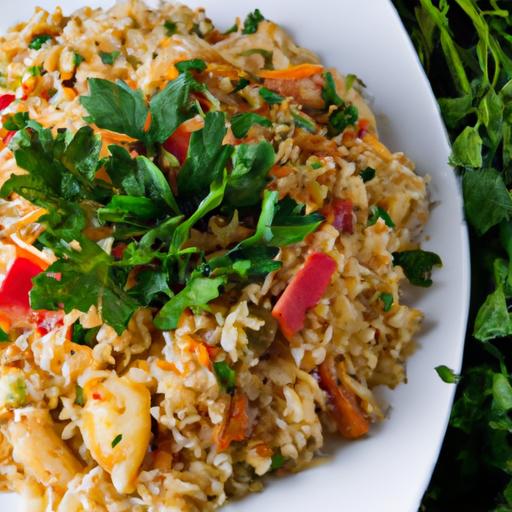


Rice Pilaf Unveiled: A Flavorful Journey in Every Grain
In the world of culinary wonders, few dishes capture the essence of global traditions and time-honored techniques quite like rice pilaf.More than just a side, pilaf is a vibrant tapestry of flavors, aromas, and textures woven together wiht every single grain. Whether simmered with fragrant spices, sautéed with savory vegetables, or enriched with nuts and dried fruits, rice pilaf invites us on a sensory journey that transcends borders and generations. Join us as we peel back the layers of this beloved dish, exploring its rich history, diverse preparations, and the secrets that transform humble rice into a symphony of taste waiting to be discovered.
Rice pilaf is far more than just a side dish-it is a culinary tradition that carries centuries of history, blending flavors and cultures in every tender, fluffy grain. Originally rooted in the middle East and spreading through the Silk Road into Mediterranean and South Asian cuisines, this method of cooking rice has been cherished for its remarkable ability to absorb aromatic spices and complementary ingredients, creating a comforting yet layered experience. Whether served at a festive family gathering or as the foundation for an everyday meal, rice pilaf invites you on a flavorful journey that celebrates both simplicity and sophistication.
Prep and Cook Time
- Preparation: 10 minutes
- cooking: 25 minutes
- Total Time: 35 minutes
Yield
Serves 4 generously as a side dish
Difficulty Level
Medium - approachable for cooks ready to master layering flavors
Essential Ingredients
- 1 ½ cups long-grain basmati rice, rinsed and soaked for 20 minutes
- 3 tablespoons unsalted butter or mild olive oil
- 1 small onion, finely chopped
- 2 garlic cloves, minced
- 3 cups low-sodium vegetable or chicken broth
- ½ teaspoon ground turmeric or saffron threads soaked in warm water for color and subtle aroma
- ½ teaspoon ground cumin
- 1 cinnamon stick (optional, but highly recommended)
- Salt to taste
- Freshly ground black pepper, to taste
- 1/3 cup toasted slivered almonds or pine nuts, for garnish
- ¼ cup finely chopped fresh parsley or cilantro, for freshness
Mastering the Art: Step-by-Step Instructions
- Prepare the rice: Rinse the basmati rice under cold water until water runs clear. Soak for about 20 minutes, then drain thoroughly. This helps achieve fluffy, separated grains.
- Sauté aromatics: In a heavy-bottomed saucepan or pot, melt the butter over medium heat. Add the chopped onion and cook until translucent and fragrant, about 4-5 minutes.
- Add garlic and spices: Stir in garlic, turmeric (or soaked saffron), cumin, and cinnamon stick. Sauté for another 1-2 minutes, allowing the spices to release their oils-this step unlocks the pilaf’s signature depth.
- Toast the rice: Add the drained rice to the pot, stirring to coat every grain evenly.Toast for 3-4 minutes until the rice starts turning lightly golden but not burnt, stirring often to ensure even cooking.
- simmer with broth: Pour in the warmed broth,season with salt and pepper,and bring to a gentle boil. Reduce heat to low,cover the pot tightly,and let it simmer for 15-18 minutes.avoid lifting the lid to let the steam cook the rice properly.
- Rest and fluff: Turn off the heat but keep the lid on. allow the pilaf to rest undisturbed for 10 minutes to fully absorb moisture and flavors. Then, remove the cinnamon stick and gently fluff rice with a fork to separate grains.
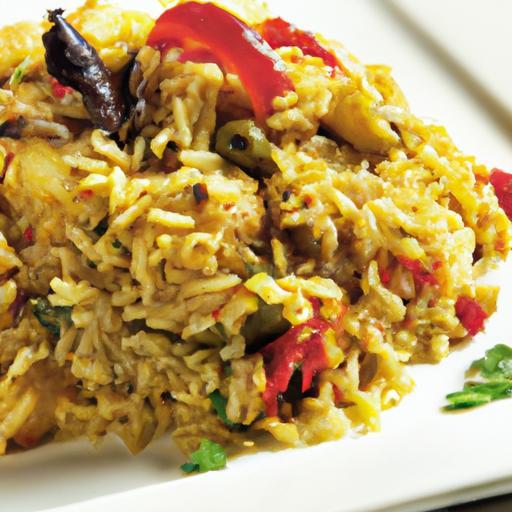
- garnish and serve: Sprinkle toasted nuts and freshly chopped herbs over the rice pilaf to add texture and vibrant color. Serve warm as a perfect accompaniment to grilled vegetables, spiced proteins, or rich stews.
Tips for Success
- Rinsing and soaking your rice ensures fluffiness by removing excess starch.
- Use high-quality broth-homemade or store-bought-to infuse deeper flavor.
- Be mindful not to lift the lid during simmering; steam is key to perfect pilaf texture.
- For a nut-free version, substitute garnishing with toasted pumpkin seeds or pomegranate arils.
- Make-ahead tip: Cook pilaf up to step 6, then cool completely and refrigerate. Reheat gently with a sprinkle of broth to refresh the moisture.
- For a more exotic twist,try adding diced dried apricots or golden raisins during the simmer phase for subtle sweetness.
Serving Suggestions
This rice pilaf pairs elegantly with a wide range of dishes. Present it as the centerpiece of your plate beside grilled Mediterranean vegetables or roasted chicken substitute.
Garnish with a final flourish of vibrant herbs, toasted nuts, or even a squeeze of fresh lemon juice to brighten the flavors. For an inviting table, serve alongside a spoonful of cooling yogurt or a fresh cucumber salad to balance the spices.

| Nutrient | Per Serving |
|---|---|
| Calories | 220 kcal |
| protein | 4 g |
| Carbohydrates | 38 g |
| Fat | 6 g |
For a deeper understanding of rice varieties and cooking methods, check out our Ultimate Guide to Rice Varieties. To explore the historical roots of pilaf in more detail, the Encyclopedia Britannica offers a well-researched overview.
Q&A
Q&A: Rice Pilaf Unveiled: A Flavorful Journey in Every Grain
Q1: What exactly is rice pilaf, and how does it differ from regular steamed rice?
A1: Rice pilaf is a culinary canvas where each grain is infused with flavor and personality.Unlike regular steamed rice, which is typically cooked simply in water, pilaf transforms rice by toasting it in butter or oil first, then cooking it slowly in a seasoned broth. This method creates layers of aroma and a subtly nutty taste, with grains that remain perfectly separate-never sticky or mushy.
Q2: Where does rice pilaf originate from, and how has it evolved globally?
A2: Rice pilaf traces its roots to the Middle East and Central asia, where cooks mastered the art of toasting grains and simmering them in fragrant stocks.Over centuries,migratory paths and cultural exchanges have led to vibrant regional variations-from the saffron-tinged pilafs of persia to the vegetable-studded versions of the Mediterranean,and the fragrant spice blends of India. Each adaptation tells a story of local tastes and traditions.
Q3: What are the essential ingredients that make a classic rice pilaf?
A3: At its heart, classic rice pilaf requires four essentials: long-grain rice (think basmati or jasmine), a flavorful cooking fat such as butter or oil, aromatic broth infused with herbs or spices, and a combination of aromatics like onions or garlic. Optional gems include toasted nuts, dried fruits, or fresh herbs-each adding bursts of texture or sweetness to the ensemble.Q4: Why is the toasting step critical in making pilaf?
A4: Toasting rice before cooking unlocks its hidden potential by coating the grains in fat, which prevents them from sticking together. The gentle heat also seeds a toasty, almost caramelized note into each grain, elevating the dish from mundane to memorable. It’s like waking the rice up and priming it to soak in every drop of flavorful broth that follows.
Q5: Can rice pilaf be adapted for different dietary preferences or occasions?
A5: Absolutely! Rice pilaf is a master of versatility. It gracefully embraces vegetarian, vegan, and gluten-free diets without losing its charm. Swap broth types to suit your palate-vegetable or mushroom stock can add earthy undertones. Customize with seasonal vegetables, nuts, or spices to match festive celebrations or everyday meals. Pilaf effortlessly transitions from a humble side dish to a star-studded centerpiece.
Q6: What tips ensure a fluffy and perfectly cooked pilaf every time?
A6: Several secrets guarantee pilaf perfection: first,rinse your rice well to wash away excess starch,preserving grain separation. Use a ratio of about 1 cup of rice to 1.5 to 2 cups of broth, adjusting slightly by rice type.Maintain a gentle simmer and resist stirring once the liquid is added-this allows steam to cook the rice evenly. let it rest covered off the heat for 10 minutes to let flavors harmonize and grains firm up.
Q7: How can rice pilaf elevate a meal or dining experience?
A7: Rice pilaf is more than just a side-it’s a sensory voyage. Its fragrant aroma fills the kitchen; its golden grains add elegance to the plate; its complex flavor complements proteins and vegetables alike. Whether paired with spiced meats, fresh salads, or roasted vegetables, pilaf enhances the meal’s texture and taste profiles, creating a balanced and memorable culinary experience.
Q8: What are some creative twists on traditional rice pilaf to try at home?
A8: adventure awaits in pilaf’s flexible formula! For a Mediterranean spin, try stirring in sun-dried tomatoes, olives, and fresh parsley. For cozy autumn vibes, incorporate roasted butternut squash and toasted pumpkin seeds. Or dive into exotic realms with diced mango, toasted coconut, and a hint of cardamom. Each twist paints a new flavor portrait, inviting home cooks to savor a different journey with every forkful.
To Conclude
As we close the chapter on this flavorful exploration, it’s clear that rice pilaf is much more than a simple side dish-it’s a tapestry woven from centuries of culinary tradition and global influence. Every grain tells a story of aromatic spices, careful technique, and cultural heritage, inviting us to savor not just a meal, but an experience. Whether you’re a seasoned cook or a curious food lover, embracing the art of pilaf opens the door to endless possibilities on your kitchen journey. So, next time you plate a steaming bowl of rice pilaf, remember: you’re serving up a delightful fusion of history, flavor, and passion-one grain at a time.